LIVE: @NASA_Astronauts Butch Wilmore and Suni Williams speak with @SenBillNelson and agency leaders about their ongoing #Starliner mission on a call from the @Space_Station. https://t.co/1T7byBbzOL
— NASA (@NASA) June 10, 2024
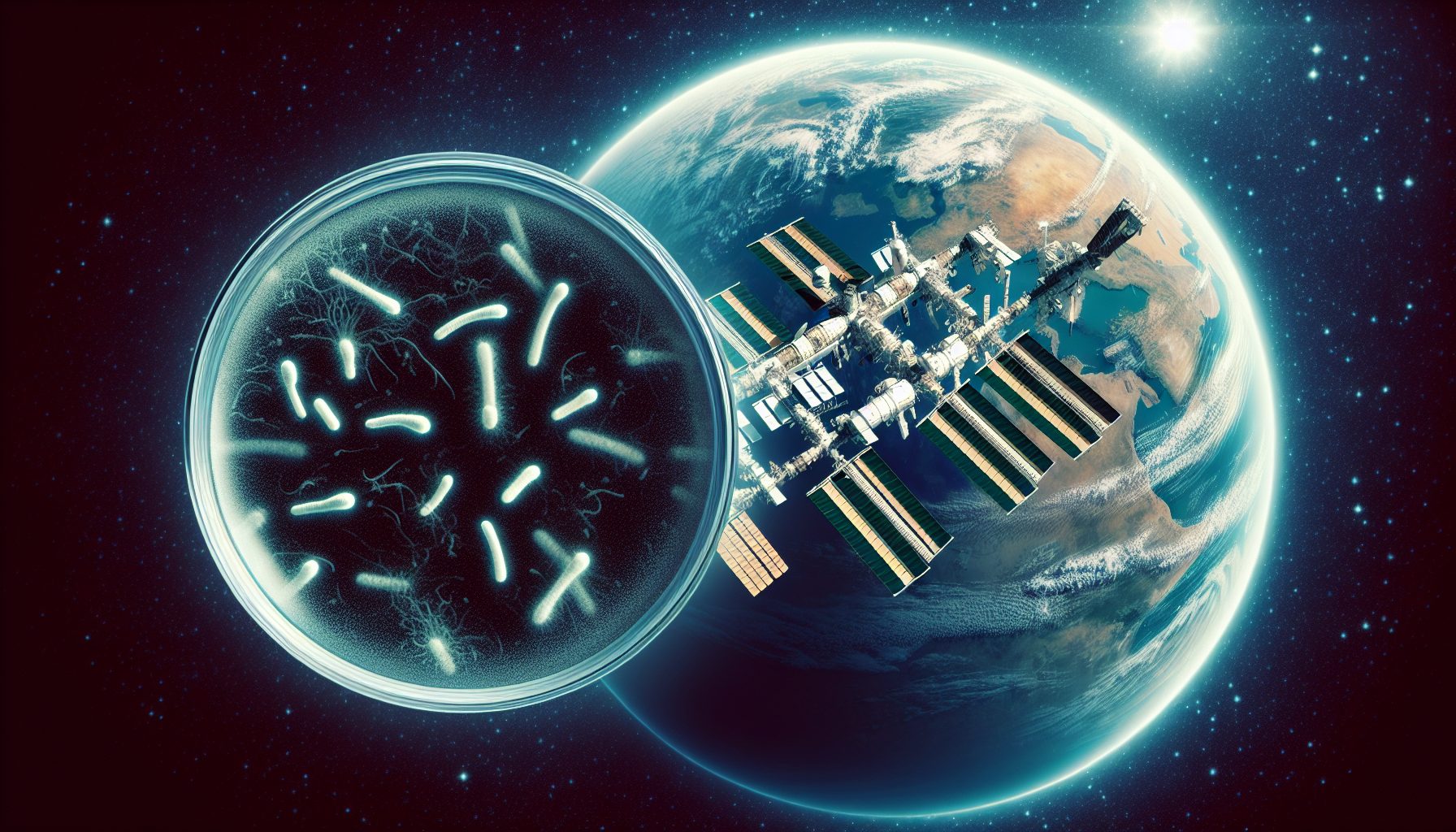
NASA astronauts aboard the International Space Station (ISS) are facing a new challenge after scientists discovered a drug-resistant superbug that has evolved in the unique environment of space. The bacterium, identified as Enterobacter bugandensis, was found in various locations within the ISS over a two-year period. The study, conducted by researchers from NASA’s Jet Propulsion Laboratory (JPL) and the Indian Institute of Technology-Madras (IIT-M), revealed that the ISS strains of E.
bugandensis have developed resistance to multiple antibiotics.
Astronauts will swab outer surfaces of @Space_Station to learn if station releases microbes and, if so, how far they travel. Samples could inform what microorganisms can survive the harsh space environment and potentially contaminate planetary bodies visited on future missions. pic.twitter.com/ZUloPuWdot
— ISS Research (@ISS_Research) June 11, 2024
The extreme conditions on the ISS, including microgravity, radiation, and elevated carbon dioxide levels, are believed to have driven these genetic adaptations. Dr.
Kasthuri Venkateswaran, the lead researcher from JPL, emphasized the importance of understanding the microbial ecosystem aboard the ISS. “Our research uncovers how certain benign microorganisms help to adapt and survive opportunistic human pathogens, such as E.
Drug-resistant superbug adapts in space
We're heading outside the @Space_Station for this experiment.🦠👩🚀
Scheduled for the June 13th spacewalk, @NASA_Astronauts will collect samples to search for microorganisms that could be on the exterior of station. Watch today’s press briefing at 4pm ET on NASA+… pic.twitter.com/zewnkxJlgN
— ISS Research (@ISS_Research) June 11, 2024
bugandensis, in the unfavorable conditions of the ISS,” he said. The discovery of these evolved superbugs poses potential health risks for astronauts, especially those with compromised immune systems. Enterobacter bacteria can cause various infections, including respiratory and urinary tract infections.
Trouble For @Astro_Suni & Crew As 'Spacebug' Detected At Space Station
Scientists from NASA and IIT-Madras have found a multi-drug resistant bacteria which has evolved and become more potent in the closed environment of the @NASAJPL @iitmadrashttps://t.co/hC8VhrpPr8— Pallava Bagla (@pallavabagla) June 11, 2024
The findings highlight the need for robust safety protocols and preventive measures to protect astronauts’ health during space missions. Professor Karthik Raman from IIT-M noted, “Microbes continue to puzzle us by growing in the most challenging conditions.”
The research also has implications for infection control in medical settings on Earth, such as hospital ICUs and surgical theaters. By mapping the prevalence and distribution of the bacterium on the ISS, scientists hope to develop better strategies to mitigate pathogenic risks.
As space agencies prepare for future long-duration missions, understanding and addressing the challenges posed by microbial adaptation in space becomes increasingly crucial. The study underscores the importance of continuous monitoring and the development of countermeasures to ensure the safety and well-being of astronauts in the unique environment of space.

April Isaacs is a news contributor for DevX.com She is long-term, self-proclaimed nerd. She loves all things tech and computers and still has her first Dreamcast system. It is lovingly named Joni, after Joni Mitchell.