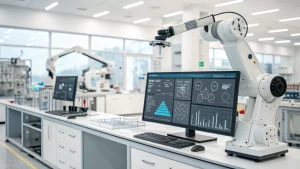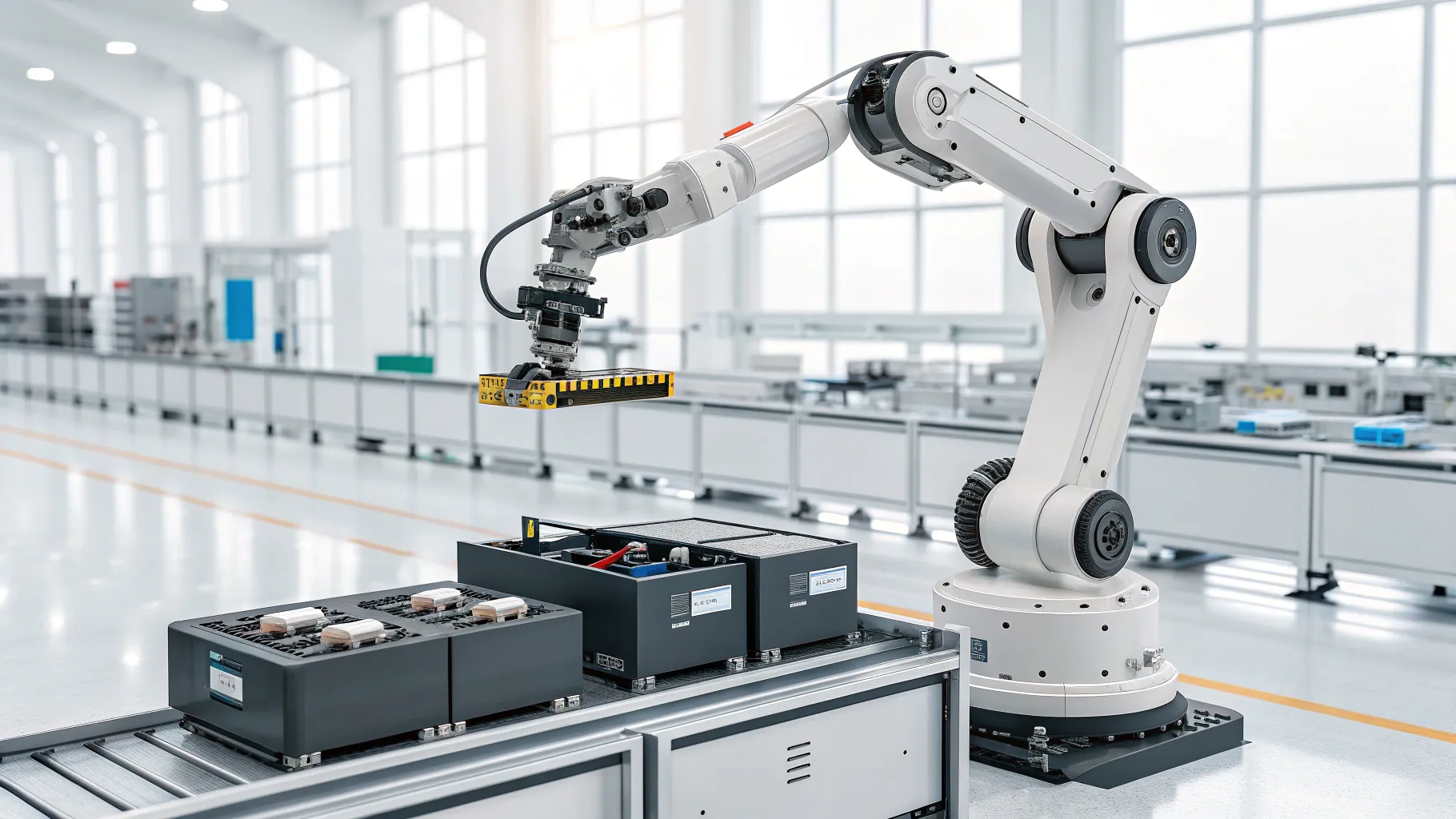
As companies race to automate physical tasks, a new class of technology is gaining ground: embodied artificial intelligence. These systems combine sensing, planning, and action in the real world. The approach is drawing interest from research labs and manufacturers alike, who see near-term uses in logistics, home assistance, and maintenance.
The core idea is simple. Robots learn from data, map their surroundings, decide what to do, and then move. That cycle links perception to motion. The goal is safer, more useful machines that can work near people and adapt to change.
“Embodied artificial intelligence (AI) systems are robotic agents that rely on machine learning algorithms to sense their surroundings, plan their actions and execute them.”
What Embodied AI Means
Embodied AI places a learning system inside a physical body. Cameras, microphones, and tactile sensors feed the model. Planning software turns observations into steps. Motors and grippers carry out those steps in the world.
This setup differs from pure software models. The machine must handle friction, clutter, glare, and human behavior. It cannot assume perfect inputs. That makes error handling and recovery essential features.
Why It Matters Now
Three forces are pushing adoption. First, computing hardware is cheaper and more efficient. Second, new training methods help models generalize from fewer examples. Third, businesses face staffing gaps in repetitive, hazardous, or tedious tasks.
- Warehouses seek mobile robots that load, sort, and deliver.
- Hospitals test helpers that fetch supplies and clean rooms.
- Homes may get devices that fold laundry or prep ingredients.
These uses do not require human-level intelligence. They require dependable sensing and safe motion in semi-structured spaces. That is a reachable target for many teams today.
Technical Hurdles and Safety
Key obstacles remain. Models trained in simulation can fail in messy real settings. Lighting, occlusion, and sensor noise cause misreads. Planners can overfit to idealized layouts. Actuators wear out and drift from calibration.
Developers respond with hybrid approaches. Rule-based guardrails wrap around learned policies. Systems check for uncertainty and pause when unsure. Remote oversight lets a human step in for rare edge cases.
Safety is central. Robots must detect people, predict motion, and slow down in tight spaces. Clear stop mechanisms and traceable logs support audits and incident reviews. Vendors also test for data bias that could misclassify objects or ignore certain users.
Industry and Societal Impact
Economically, embodied AI targets cost centers, not headcount alone. It can steady output during peak seasons and nights. It can also reduce injury from lifting and repetitive strain.
Labor groups watch the trend with caution. They want retraining plans, wage protections, and shared gains from productivity. Some sectors already pair machine deployments with upskilling for maintenance and supervision roles.
For consumers, the value case hinges on reliability and trust. Devices that learn in the home must protect privacy. Manufacturers are moving processing to the edge to keep video and audio local when possible.
What Comes Next
Near-term progress will likely come from narrow tasks in controlled spaces. Robots will learn to handle more variation in parts, packaging, and room layouts. Better simulation can help, but real-world data will remain the gold standard.
Expect incremental rollouts. Pilots will expand site by site, with measured gains in throughput and safety records. Clear metrics and transparent reporting will matter more than flashy demos.
Standards bodies and insurers are also shaping the field. Shared test suites and risk frameworks can speed approvals. That, in turn, can help small firms adopt without taking on unknown hazards.
Embodied AI is moving from concept to practical tools for specific jobs. The technology links perception, planning, and action into one loop. Progress will depend on safety, reliability, and worker inclusion. Watch for deployments in warehouses, hospitals, and homes that show steady performance, clean audit trails, and clear benefits for people on the ground.

A seasoned technology executive with a proven record of developing and executing innovative strategies to scale high-growth SaaS platforms and enterprise solutions. As a hands-on CTO and systems architect, he combines technical excellence with visionary leadership to drive organizational success.