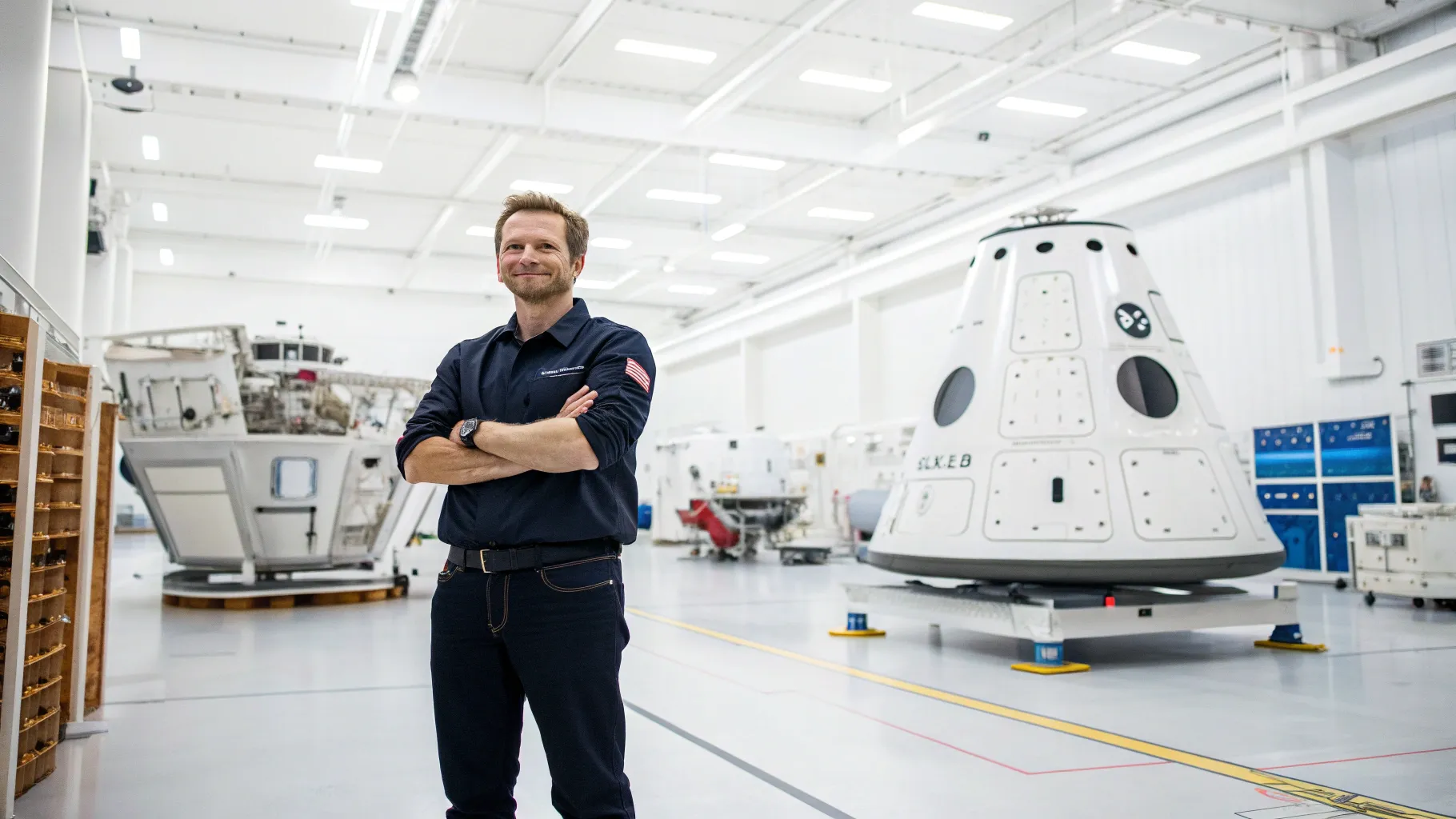
A former SpaceX engineer is building a new company shaped by lessons learned while working alongside Elon Musk. Justin Lopas, who spent years at the rocket maker, described how that experience guides his startup plans in an interview with Business Insider.
He worked directly with Musk on projects at SpaceX. Now he is translating that pace, decision style, and focus on execution into a young venture. The move highlights how alumni from high-intensity firms are reshaping new companies with practices forged under tight deadlines and high stakes.
“Justin Lopas spent years working at SpaceX, and even directly with Musk. He told BI how the lessons he learned are shaping his own startup.”
From Rocket Floors to Startup Halls
SpaceX has long been known for rapid build cycles, aggressive timelines, and frequent testing. Former employees often describe an environment that prizes practical results over slides or long memos. That culture is evident in Lopas’s approach.
Musk’s teams push for simple designs, quick fixes, and real-world tests. The goal is to reduce risk by learning fast. Many engineers who leave SpaceX carry those habits with them. Lopas appears to be following that path as he lays the groundwork for his company.
While he has not publicly shared many details about the venture, the broad theme is clear. He plans to apply systems thinking learned on launch programs to a smaller, focused startup setting.
What He Learned Working With Musk
Musk is known for demanding high standards, short feedback loops, and direct communication. People who worked closely with him often point to three recurring lessons: define the problem, cut anything that does not help, and test early.
- Break problems to first principles and challenge assumptions.
- Ship a workable version, then improve with data.
- Set clear goals and review progress often.
These ideas can help a small company move faster without wasting cash. Lopas’s time inside a rocket program likely sharpened his ability to triage issues and accept only proof. That mindset can be a strong filter when resources are tight.
Payoffs and Trade-Offs
There are clear benefits to importing SpaceX-style discipline. Teams make decisions quicker. Products get tested with real users sooner. The focus stays on measurable gains.
But the model has trade-offs. Long hours and high stress can drain teams if leaders do not set limits. Smaller startups must guard against burnout. They need clear priorities and healthy pacing to retain talent.
Investors often like the bias for action, but they also watch for sustainable practices. The best outcomes come when speed pairs with safety, quality, and transparent metrics.
Why Alumni-Led Startups Matter
Companies founded by veterans of high-pressure programs can influence wider industry norms. Their practices spread across sectors, from hardware to software. Rapid iteration, lab-to-field testing, and blunt reviews move beyond rockets and cars and into everyday products.
That trend can raise the bar for new ventures. It can also spark debates about management style. Leaders must translate lessons from a large engineering firm to a smaller team with different needs. What worked with a launch schedule may need tweaks in a consumer product cycle.
Signals to Watch
Key signs of Lopas’s progress will include team size, first product milestones, and how quickly the company ships updates. Early pilots or paid trials would show traction. Hiring patterns may reveal whether the firm is building a deep technical bench or a lean product squad.
If the company publishes performance data, that would mirror the data-first habits common at SpaceX. Clear metrics can help win customer trust and investor support.
For now, Lopas’s message is simple: use what worked, adjust what did not, and move with purpose. The approach is familiar to anyone who has built hardware under tight timelines, yet it must fit the reality of a startup budget.
Lopas’s next steps will show how far those lessons travel outside the rocket world. The outcome will offer a test case for whether high-velocity methods can scale in a young company without costly missteps. If he hits early goals while keeping his team steady, more alumni may take the same route.

A seasoned technology executive with a proven record of developing and executing innovative strategies to scale high-growth SaaS platforms and enterprise solutions. As a hands-on CTO and systems architect, he combines technical excellence with visionary leadership to drive organizational success.