Regions from Ukraine to Mongolia are experiencing a significant increase in paired heatwave-drought events as climate change alters weather patterns across the planet. Over the past two decades, vast areas of Eurasia have seen a surge in extreme heatwaves followed by droughts. A tree ring record extending back nearly three centuries suggests human-caused climate change is to blame for the increase in these disastrous compound events.
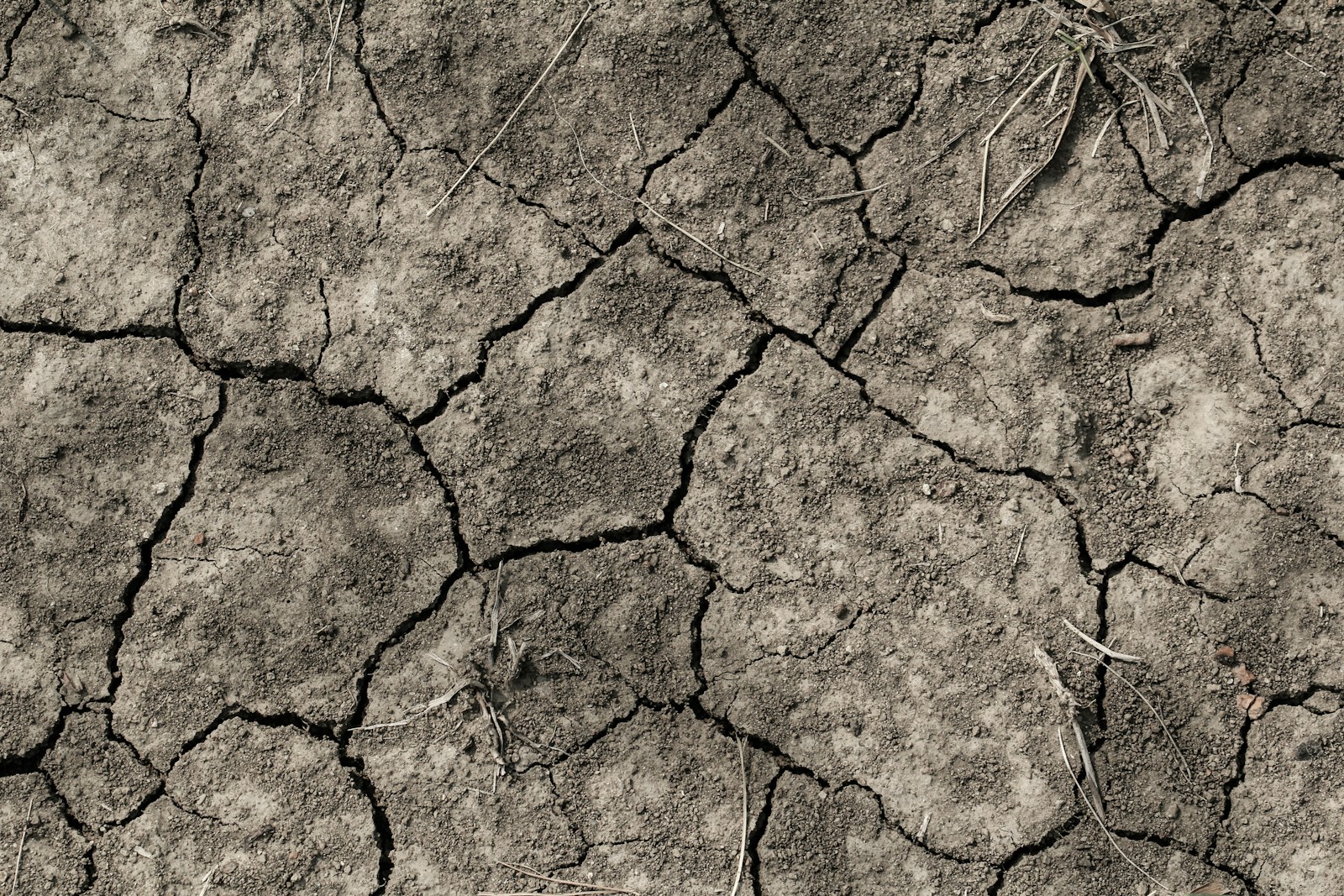
This pattern can be particularly damaging because of how heat and drought feed off each other. High temperatures dry out soil, and drought then deprives it of moisture to cool things off during the next heat wave. This vicious cycle has severe impacts, from lower agricultural yields to higher wildfire risk.
While parts of Eurasia have experienced this heatwave-drought pattern before, “the present trend is just way outside of natural variability,” says Deliang Chen at the University of Gothenburg in Sweden. The full picture only became clear after Chen and his colleagues assembled tree ring records from across Eurasia.
Heatwave–drought cycle intensifies Eurasia
They used this data to reconstruct the large-scale distribution of high and low-pressure systems that naturally drive wet and dry conditions across the continent. The researchers identified a particular scenario in this region, which they call the “trans-Eurasian heatwave-drought train,” that has markedly intensified since 2000. The size of heat and precipitation anomalies has jumped above those measured at any other time in the record.
They link this change to disruptions in atmospheric pressure caused by heating in the North Atlantic and increased rainfall in part of northern Africa. Rising local temperatures can also directly exacerbate these conditions. But the findings also show how climate change is shifting relationships between distant parts of the atmosphere to disrupt things even further, says Chen.
The team’s projections, based on climate models, suggest things will get worse under all but the lowest emission scenarios. We see that this new teleconnection pattern has a really distinct strong trend, which means things will most likely go quicker, and there will be more severe impacts,” says Chen. “We have difficulty seeing how [the most affected places are] going to recover,” he says.
Image Credits: Photo by Maud CORREA on Unsplash

Cameron is a highly regarded contributor in the rapidly evolving fields of artificial intelligence (AI) and machine learning. His articles delve into the theoretical underpinnings of AI, the practical applications of machine learning across industries, ethical considerations of autonomous systems, and the societal impacts of these disruptive technologies.