The Trump administration is taking steps to roll back environmental regulations and climate protections put in place by the previous Biden administration. A federal judge recently blocked the EPA from canceling $14 billion in climate grants approved under Biden, marking a significant setback for Trump’s agenda to freeze climate spending across the government. Environmentalists like Bill McKibben are sounding the alarm about these rollbacks.
In an interview, McKibben expressed concern about the unprecedented reversal of environmental regulations dating back to the 1970s. He highlighted the critical issues of climate change and energy choices, noting that the planet is getting hotter every year while the U.S. clings to coal as the rest of the world embraces clean energy like solar and wind. McKibben also criticized the administration’s defunding of scientific investigations into climate change.
He argued that denying scientific facts and ignoring data will not make the problem disappear. Additionally, he pointed out the economic risks of climate change, such as the destabilization of the insurance industry and missed opportunities in the clean energy market. While federal laws do not explicitly ban rollbacks of environmental protections, the process is designed to be challenging.
Many changes require compliance with the Administrative Procedure Act, which involves public notice, a period for public comment, and a review of those comments by the responsible federal agency.
Judge blocks Trump’s climate agenda
The Clean Air Act and Clean Water Act also have provisions to prevent the deterioration of air and water quality.
To change these rules, the EPA must present evidence that the existing regulations are no longer appropriate. Without this evidence, changes may be overturned by the courts as “arbitrary and capricious.”
The Trump administration’s plans to amend water pollution rules and review the “endangerment finding,” which establishes the EPA’s authority to regulate greenhouse gases, are crucial. If successful, these efforts could undermine legal grounds for pollution standards across various industries.
However, merely announcing an intention to weaken protection standards does not implement changes. Federal law requires explicit descriptions of scientific and technical reasons for any proposed actions, followed by a notice-and-comment process involving the public. Until new standards are finalized, existing standards remain enforceable.
The trucking industry is also navigating confusing rules for future vehicle purchases due to the administration’s efforts to modify or eliminate mandates from the EPA concerning zero-emission vehicles. Carriers are facing decisions about pre-buying tractors ahead of new 2027 emissions standards and investing in battery-powered trucks, with costs for new trucks expected to rise considerably. The fight to replace diesel internal-combustion engines with cleaner power sources continues, subject to further review and revision by future administrations in Washington.
In the meantime, there are no clear answers to the current confusion, and the end results of these reversals and challenges will be especially important to the trucking industry.
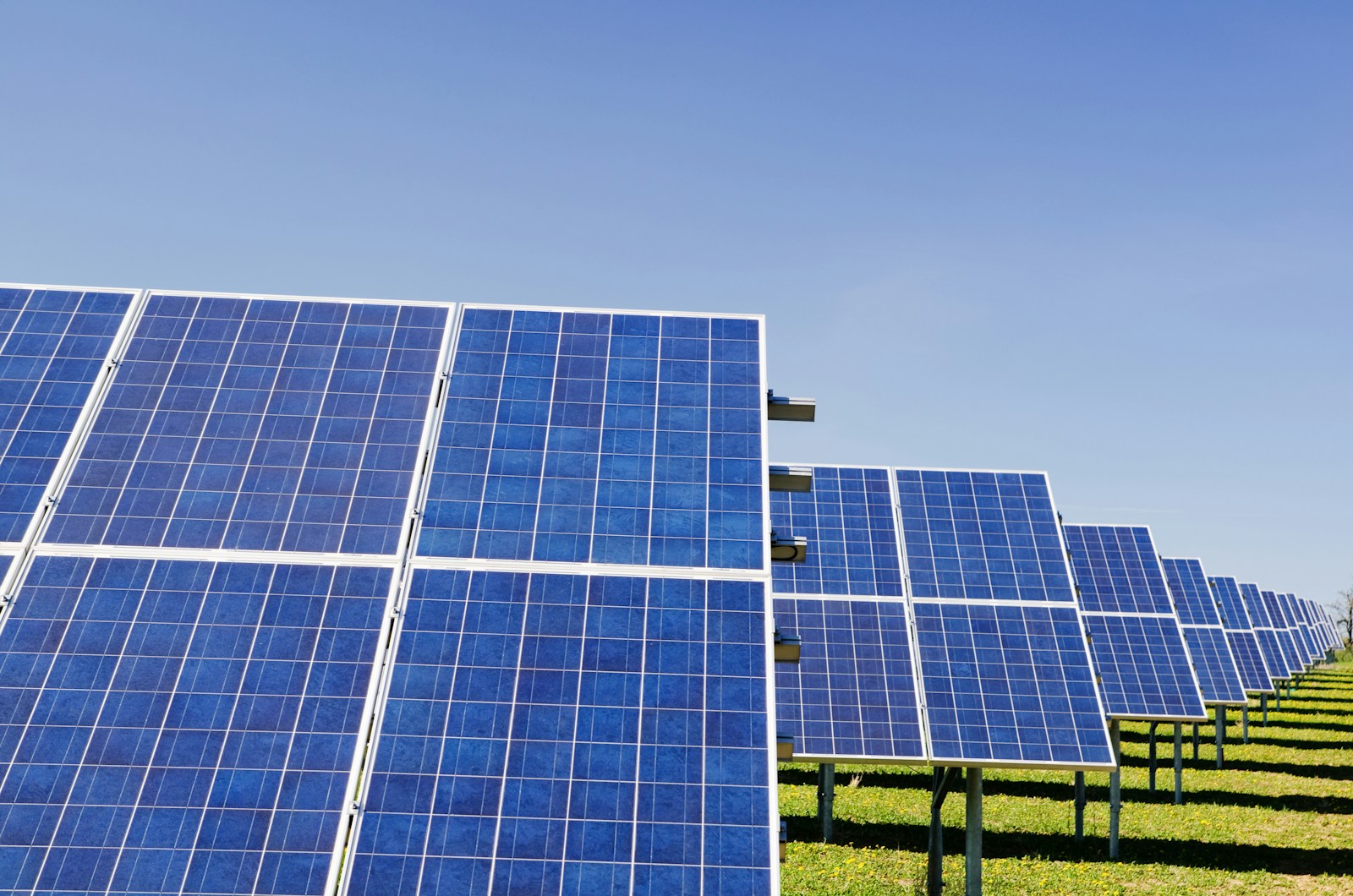
Image Credits: Photo by Zbynek Burival on Unsplash

Noah Nguyen is a multi-talented developer who brings a unique perspective to his craft. Initially a creative writing professor, he turned to Dev work for the ability to work remotely. He now lives in Seattle, spending time hiking and drinking craft beer with his fiancee.