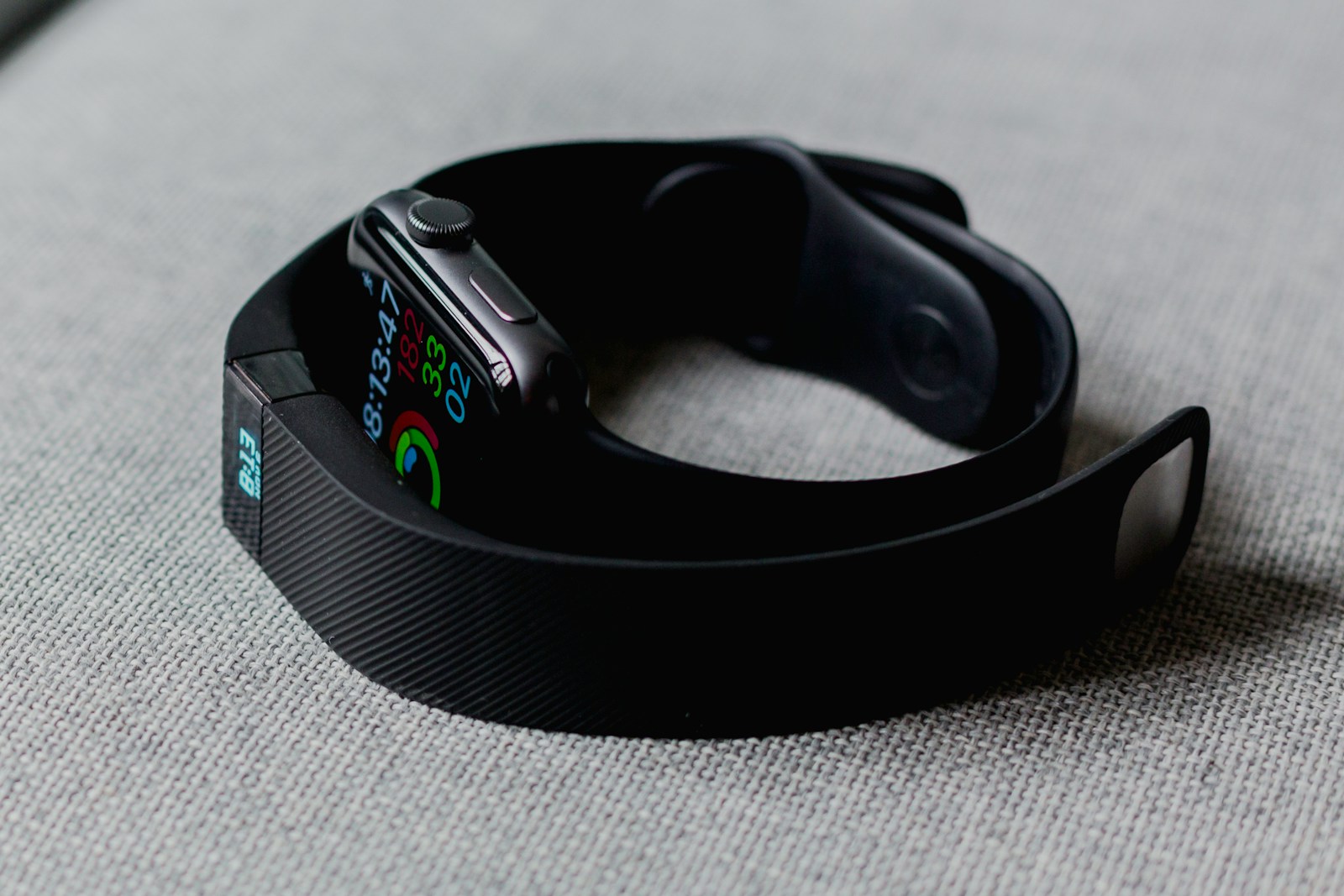
Fitbit has announced that its Cardio Load and Target Load features will soon be available on an expanded list of smartwatches. These new functionalities are set to enhance the fitness tracking capabilities of various devices, offering users improved insights into their workouts and overall health. The list of supported wearables includes the Pixel Watch 1, Pixel Watch 2, Pixel Watch 3, Fitbit Inspire 2, Fitbit Inspire 3, Fitbit Luxe, Fitbit Sense, Fitbit Sense 2, Fitbit Versa 2, Fitbit Versa 3, Fitbit Versa 4, and Fitbit Charge 5.
These added features further Fitbit’s aim to offer comprehensive health monitoring tools to its users. The Cardio Load feature helps users understand the impact of their exercise on their cardiovascular system, while Target Load assists in setting personalized fitness goals based on individual health data. For existing users of these devices, these updates are expected to roll out in the coming weeks, ensuring that more people can take advantage of these advanced tracking capabilities.
Cardio Load measures the volume of your exercise over time.
Fitbit expands cardio feature lineup
A higher number means you’re pushing yourself harder, but an excessively high figure may indicate overtraining, which can lead to injuries and hinder long-term fitness progress.
According to Google’s website, “Fitbit’s cardio load is a personalized score to help you understand how hard your heart works during physical activity, empowering you to reach your fitness goals while prioritizing your cardio health.”
Target Load, on the other hand, allows users to set a target for their Cardio Load. This feature provides context to the Cardio Load stat, making it more approachable for fitness newcomers by helping them understand and manage their training intensity effectively. As these features are app-based, ensure you have the latest update installed on your phone to access them.
The rollout has already begun, so keep an eye on your app updates. This upgrade underscores Fitbit’s commitment to enhancing user experience by providing valuable fitness metrics. While the stats won’t appear directly on the devices, this integration into the app ensures that users can make informed decisions about their training and overall health.

April Isaacs is a news contributor for DevX.com She is long-term, self-proclaimed nerd. She loves all things tech and computers and still has her first Dreamcast system. It is lovingly named Joni, after Joni Mitchell.