The open-source software movement has gained momentum in recent years. Many people are turning to free alternatives to expensive proprietary software. I decided to challenge myself by using only open-source software for a month.
Here are the five key lessons I learned from this experience. First, free does not mean low quality. Open-source programs often match or exceed the capabilities of their paid counterparts.
For example, WPS Office provides many of the same features as Microsoft Office, including cloud storage and AI functionality. GIMP, while having a steeper learning curve, offers powerful image editing tools rivaling those of Photoshop. Second, open-source software tends to have better support.
The transparency of the code allows the community to quickly identify and fix vulnerabilities. Patches are often released almost immediately, contributing to overall security. Third, open-source applications are usually compatible with a wide range of file types.
WPS Office can save documents in various formats like .WPS and .DocX. GIMP handles .PSD files quite well with few exceptions.
Valuable lessons from open-source experience
Even if an open-source program doesn’t natively support a particular file type, extensions or alternative applications can bridge the gap. Fourth, the end of official support doesn’t mean the end of life for open-source software. Community-driven support frequently continues long after the original developers have moved on.
LibreOffice emerged from community efforts after Oracle stopped supporting OpenOffice. The audio editor Audacity has seen ongoing development thanks to its community. Finally, open-source projects foster strong communities of passionate developers who contribute to improving the software, often without monetary compensation.
These communities are driven by a belief in the software and its benefits rather than financial gain. Crowdfunding often supports these initiatives, although the financial rewards are typically modest compared to paid developers. In many ways, open-source software represents the future of programming and development.
While paid software often gains prominence due to larger marketing budgets, open-source alternatives focus on solving problems through creative approaches. This emphasis on innovation over profit allows unique solutions to flourish. My month-long experiment with open-source software has shown me that free does not mean inferior.
The dedication and collaborative spirit of the open-source community exemplify a promising path forward in software development. It’s clear that open-source software will continue to play an increasingly important role in the tech landscape.
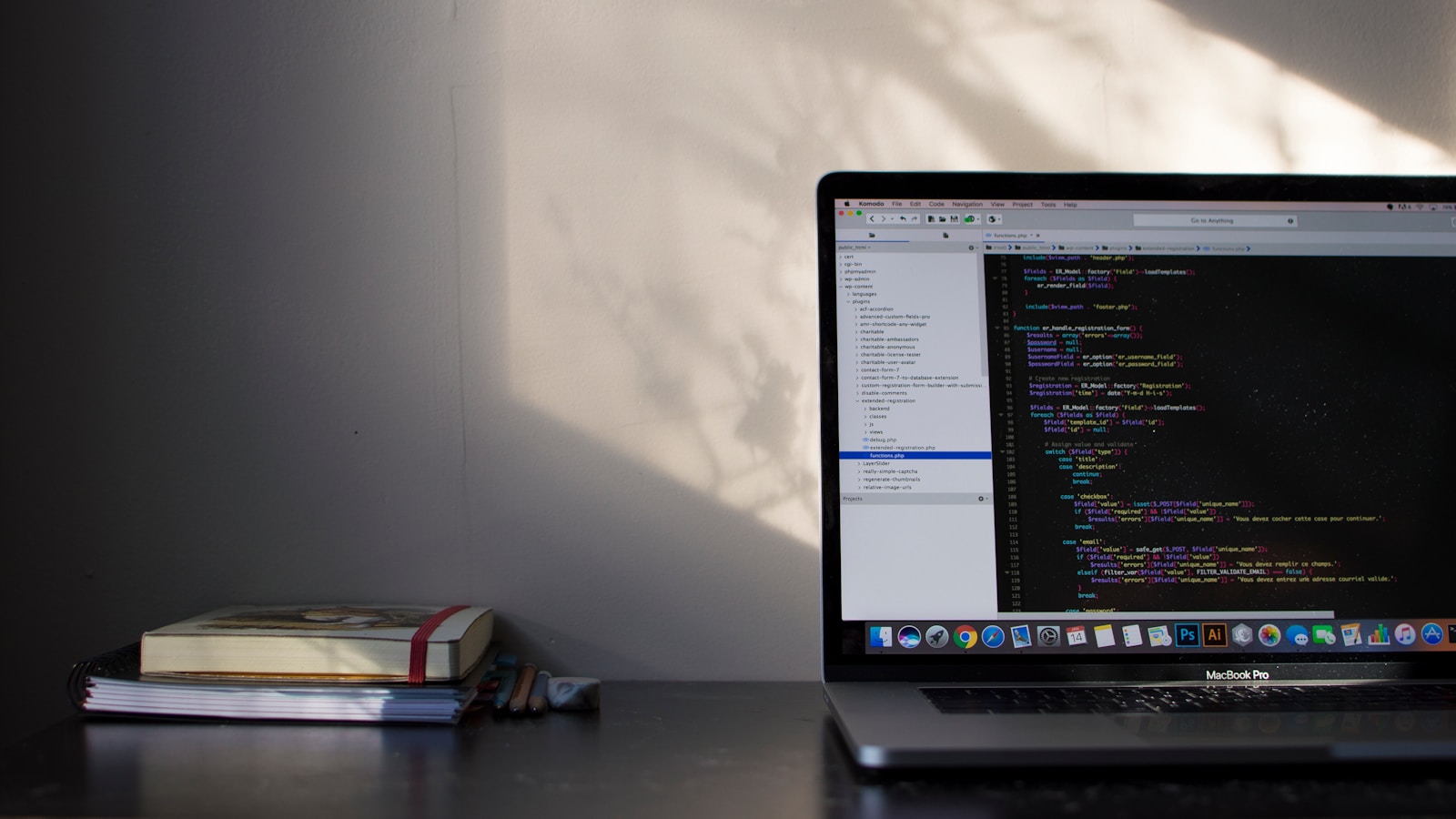
Image Credits: Photo by Emile Perron on Unsplash

Cameron is a highly regarded contributor in the rapidly evolving fields of artificial intelligence (AI) and machine learning. His articles delve into the theoretical underpinnings of AI, the practical applications of machine learning across industries, ethical considerations of autonomous systems, and the societal impacts of these disruptive technologies.