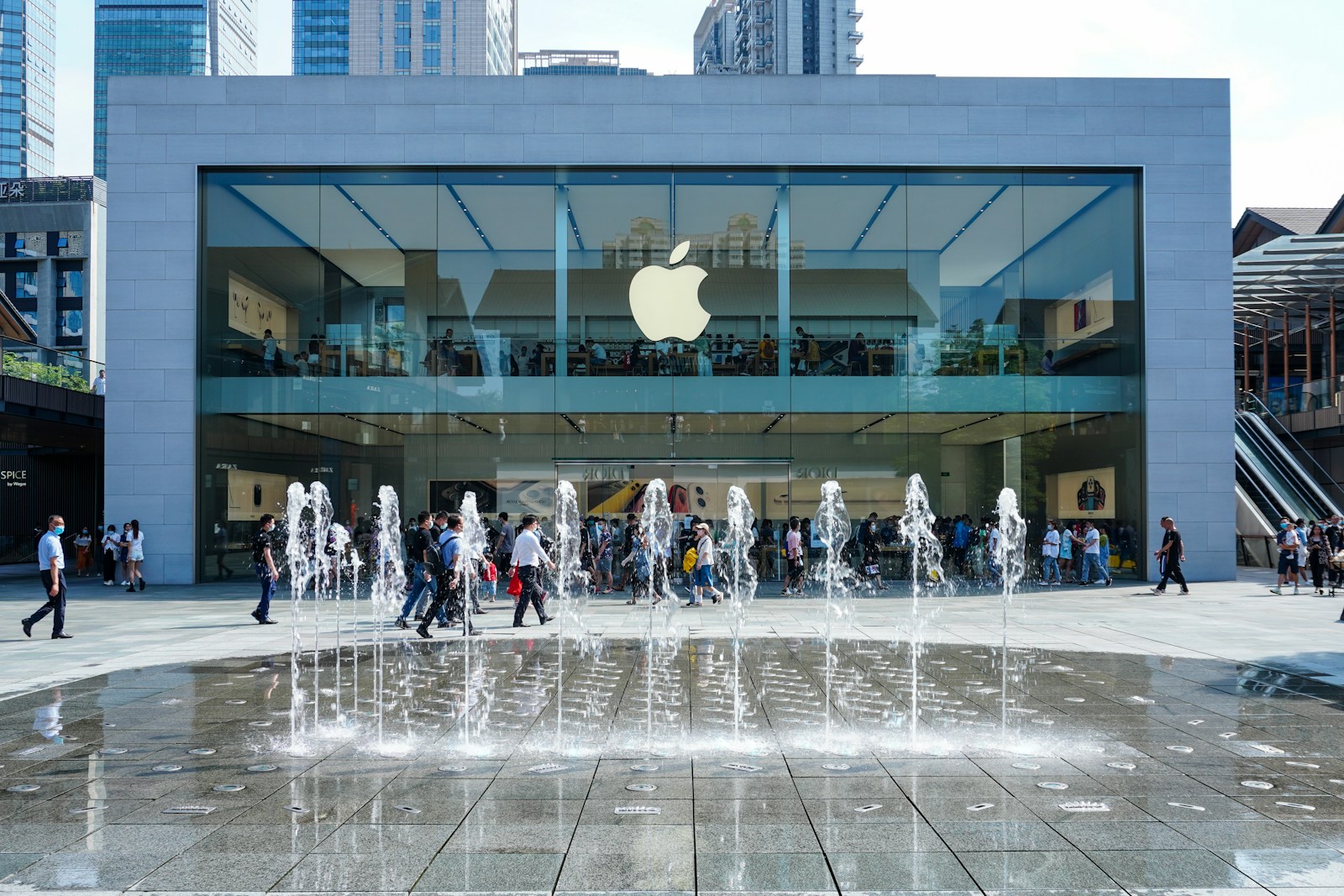
Five years ago, Apple introduced its own silicon chips, fundamentally changing the world of computing. This marked the beginning of the end for many Windows users, including myself. Apple unveiled the new platform during its first virtual keynote in 2020 amidst a global pandemic.
The announcement was monumental, despite the lack of an on-stage reveal. The transition to Apple silicon was not unprecedented, as Apple had previously moved from PowerPC to Intel processors. However, this transition was different.
Apple was thoroughly prepared, using XCode to rewrite its first-party apps and collaborating with major partners to ensure third-party apps could run on the new hardware. The introduction of Rosetta 2, a software compatibility layer, further eased the transition. At the time, I was aware of the potential benefits of a power-saving platform.
Apple’s silicon promised to turn MacBooks into long-lasting devices with exceptional battery performance. However, I had my reservations about switching from Windows to macOS, as I had been using Windows since the 1980s. The first Apple MacBook Air with the M1 chip blew away Intel Core i7 systems, especially in integrated graphics.
Battery life soared between 15 and 20 hours.
Apple’s silicon shift impacts computing
The M1’s impressive benchmarks indicated a major leap forward in computing.
By 2023, Apple continued to innovate, introducing more powerful silicon chips, often clustering them together for enhanced performance. Three years into the Apple Silicon journey, I switched to the M2 MacBook Air. Despite some struggles adjusting to macOS, I gradually became accustomed to it.
Two weeks in, I wrote: “Becoming second nature to use the Mac. Will I ever go back?” Spoiler alert: I never did. Apple’s commitment to the silicon platform was evident early on.
They launched the MacBook Air M1, iMac, and Mac Mini within six months of the initial announcement. Apple has continued to build on this success, creating more powerful mobile CPUs and maintaining their market position. In recent years, the Windows platform has started to catch up, matching Apple silicon in performance, efficiency, and stability.
However, Apple’s innovation set a new standard in the industry. The shift to Apple silicon changed not only the computing world but also my personal tech preferences. I walked away from Windows, a platform I loved, and haven’t looked back.
Apple’s market share has grown on the back of this transition, and I believe the best is yet to come.

A seasoned technology executive with a proven record of developing and executing innovative strategies to scale high-growth SaaS platforms and enterprise solutions. As a hands-on CTO and systems architect, he combines technical excellence with visionary leadership to drive organizational success.