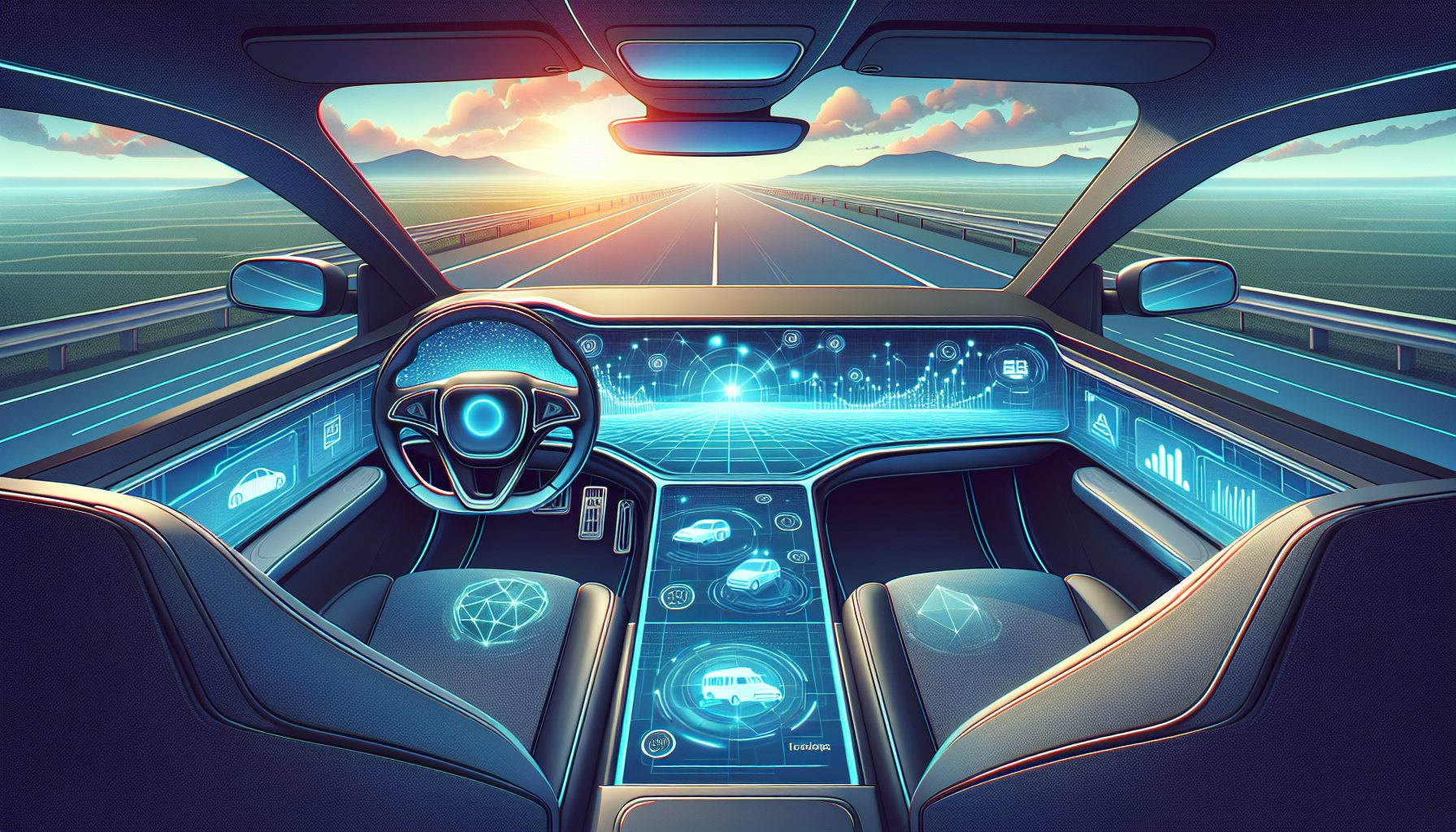
Ford has filed a patent for technology that would allow it to tailor in-car advertising by listening to conversations among vehicle occupants and analyzing a car’s location and other data. The patent, labeled as “in-vehicle advertisement presentation,” describes a system that will determine where a car is located, how fast it is traveling, what type of road it is driving on, and whether it is in traffic. It also will predict routes, speeds, and destinations to customize ads to drivers.
The system could pull data from “audio signals within the vehicle and/or historical user data, selecting a number of the advertisements to present to the user during the trip,” according to the published details. By monitoring dialogue between vehicle occupants, the ad controller system can determine when to deliver audio versus visual ads, providing them to drivers through a human-machine interface (HMI) of the vehicle. “Such systems and methods provide maximum opportunity for ad-based monetization,” the document mentioned.
“These systems and methods may use knowledge of vehicle destination prediction to provide more relevant advertisements, for example, if a user is going grocery shopping, merchandise purchasing, etc.”
The document does not describe how the collected data would be protected. The technology would be primarily software-based and would require no new hardware, according to the information.
In-car targeted advertisement system
Ford filed the details in February, and they were published on August 29. A Ford spokesperson defended the application process, stating, “Submitting patent applications is a normal part of any strong business as the process protects new ideas and helps us build a robust portfolio of intellectual property. The ideas described within a patent application should not be viewed as an indication of our business or product plans.”
In a follow-up statement, Ford said it “will always put the customer first in the decision-making behind the development and marketing of new products and services.”
The system could also utilize data from third-party applications or set up screen input preferences to predict the number of ads a driver should be served.
Types of trips being made by drivers will also play a role, with the system considering whether a vehicle owner is making a “long drive versus trip to a medical care facility,” according to the information. Ford has faced privacy concerns with previous filings. A Ford document filed in July proposed technology to monitor the speed of nearby cars, photograph them, and send the information to police, which sparked backlash from privacy advocates.
Another filing proposed a system for self-driving cars to repossess themselves if a driver was delinquent on payments, allowing vehicles to head to repossession lots automatically or lock and disable functionalities to pressure drivers to pay. Ford remains a significant player in the American automotive market, securing 12 percent of new vehicle registrations last year, according to Experian.

Cameron is a highly regarded contributor in the rapidly evolving fields of artificial intelligence (AI) and machine learning. His articles delve into the theoretical underpinnings of AI, the practical applications of machine learning across industries, ethical considerations of autonomous systems, and the societal impacts of these disruptive technologies.