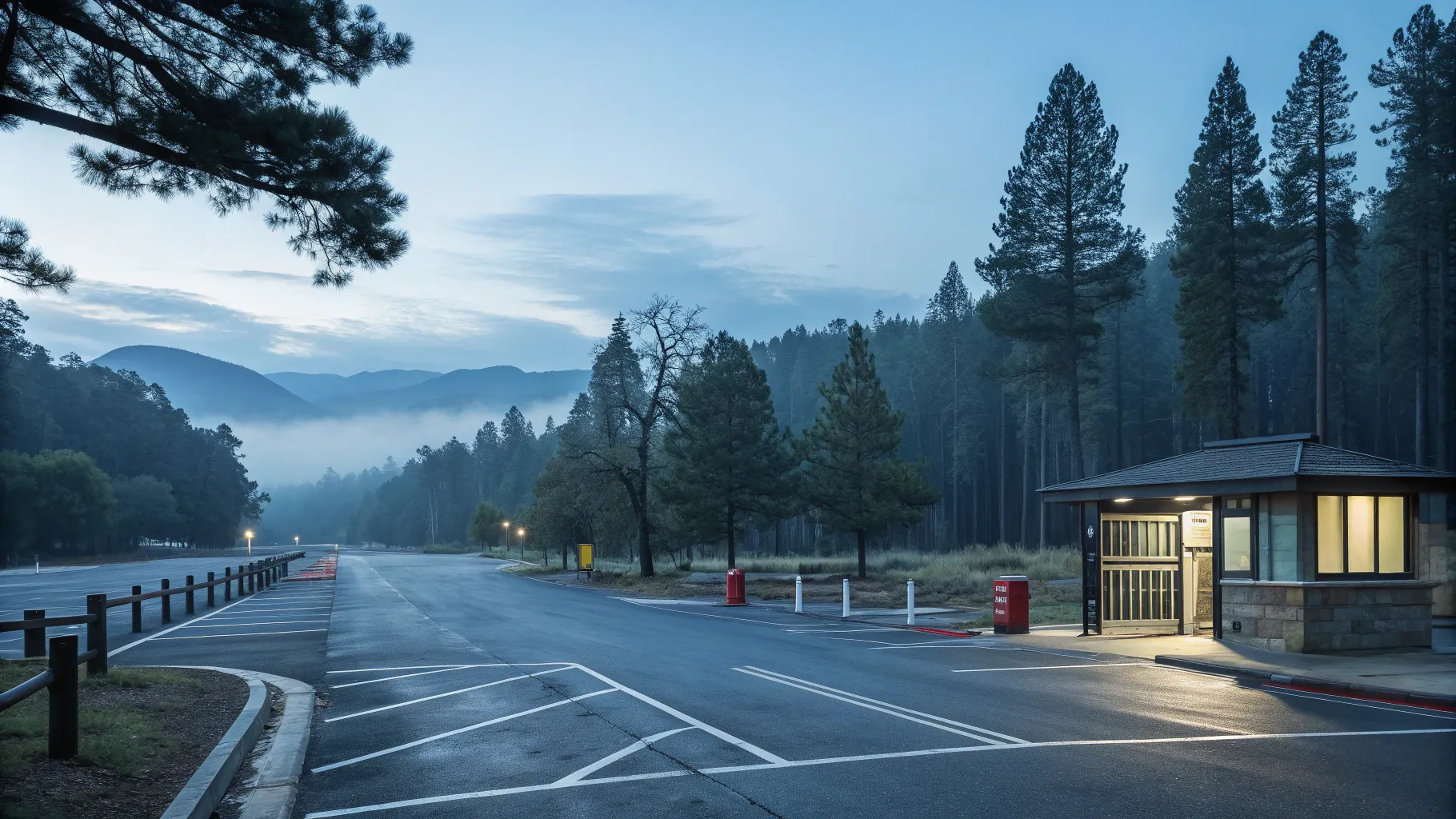
As talk of a federal shutdown resurfaces, a former leader of the National Park Service is urging caution about keeping parks open without staff. Jonathan Jarvis, who directed the agency from 2009 to 2017, warned that leaving gates open while furloughing rangers can damage resources, endanger visitors, and saddle the agency with higher costs when government work resumes.
“Jonathan Jarvis, who led the agency from 2009 to 2017, laid out the dire consequences of not closing parks in shutdown.”
His warning comes as policymakers debate how to balance public access with protection of public lands during lapses in funding. The question carries real stakes for park ecosystems, communities near park entrances, and visitors planning long-delayed trips.
Why Shutdown Access Policies Matter
During a funding lapse, parks face a basic problem: millions of acres open to the public, but few staff to manage crowds, enforce rules, and respond to emergencies. Jarvis argued that parks are not designed to operate on autopilot. When ranger ranks thin, small problems can escalate into safety incidents or resource damage.
History offers clear examples. In 2013, the federal government closed most park sites. The decision drew criticism from would-be visitors and local businesses, but park resources were largely protected. In 2018–2019, parks stayed broadly accessible with minimal staffing. Reports from that period described overflowing toilets, illegal camping, off-road driving, and vandalism in several high-traffic areas.
Joshua Tree National Park became a flashpoint. Park advocates documented damaged trees and vehicle tracks across fragile desert habitat. In Yosemite and other popular parks, trash piled up and restrooms failed under heavy use. Rescue services also faced hurdles as reduced staffing strained response times.
Public Safety And Resource Protection
Jarvis emphasized that visitor safety and resource protection go hand in hand. Without staff at entrance stations and on patrol, crowding and rule-breaking can rise. That creates risks for hikers, climbers, and winter travelers, especially during severe weather or fire conditions.
He also pointed to long-term harm. Off-trail driving can scar soil and promote erosion. Damaged cultural sites may be irreplaceable. When damage occurs, the agency must spend scarce dollars on repairs instead of maintenance and interpretation.
- Fewer rangers mean slower emergency response.
- Unserviced restrooms and trash lead to health concerns.
- Resource damage can take years and large budgets to fix.
Economic Trade-Offs For Gateway Communities
Local economies near parks rely on visitor spending in hotels, restaurants, and outfitters. Business owners often argue that keeping parks accessible helps prevent painful revenue dips. Governors in states such as Arizona have, in past shutdowns, used state funds to maintain limited operations at marquee sites like the Grand Canyon.
Jarvis acknowledged those pressures but urged a clear-eyed view of costs. If open gates invite damage, the deferred bill can exceed short-term gains. Some communities experienced a boom in day-use traffic during partial openings, but visitor satisfaction fell amid poor conditions and closed services. That can tarnish park reputations and reduce return visits.
Policy Options On The Table
Experts and park advocates outline several options to manage future lapses in funding:
- Full closure with clear communication to visitors and local officials.
- Limited access, with staffed areas funded by states, partners, or donated services under strict agreements.
- Seasonal or site-specific closures at high-risk locations to prevent damage.
- Emergency maintenance funds to support sanitation and safety during short lapses.
Supporters of full closure say it protects resources and reduces liability. Advocates for limited access argue that targeted staffing can preserve both safety and local income. Jarvis urged that any plan match the realities of staffing and stewardship rather than wishful thinking about self-policing crowds.
Lessons From Past Shutdowns
Data from prior lapses show how quickly conditions can deteriorate without rangers. Park reports documented spikes in illegal camping and rule violations when visitor centers and entrance stations were unstaffed. Maintenance crews returning after shutdowns often faced backlogs of trash removal, restroom repairs, and trail fixes.
At the same time, the 2013 experience proved that clear closure policies, combined with outreach to visitors and communities, can limit damage. Some states demonstrated that targeted funding, combined with defined staffing plans, kept select sites safe and functional.
Jarvis’s message is blunt: the decision to keep parks open without adequate staffing carries real risks. As Congress weighs budget choices, the Park Service must be ready with clear policies, realistic staffing models, and coordination with states and partners. For visitors and gateway businesses, the best outcome is stability—funding that keeps rangers on duty and trails protected. Until that is assured, the safest course during a shutdown may be limited access or full closure with strong communication and rapid reopening plans once funding returns.

A seasoned technology executive with a proven record of developing and executing innovative strategies to scale high-growth SaaS platforms and enterprise solutions. As a hands-on CTO and systems architect, he combines technical excellence with visionary leadership to drive organizational success.