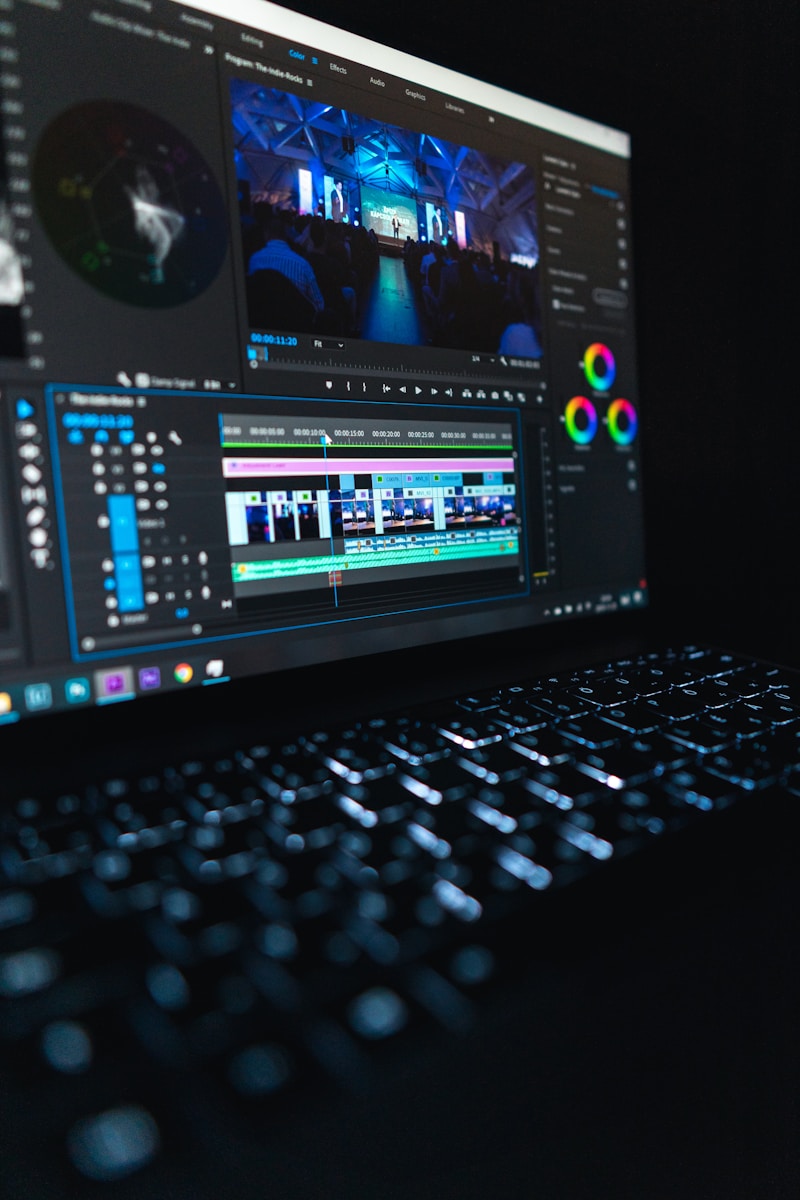
I’ve always believed that editing is more than just technical skills—it’s about making countless small decisions that build upon each other to create something meaningful. After watching the MKBHD team break down their editing process, I’ve gained valuable insights that have completely changed how I approach my own creative work.
What struck me most was how they demonstrated that editing isn’t just about software and plugins—it’s decision-making. Their four core principles have become my new creative compass:
Good In, Good Out
You simply cannot edit your way around poor planning and execution. This resonated deeply with me because I’ve often tried to “fix it in post” rather than getting it right from the start. The color grading segment made this crystal clear when Vinn explained: “80% of your image should be done on camera. And then your last 20% is color grading. You can’t fix bad lighting in post.”
This principle applies to every aspect of content creation. No amount of clever editing can salvage poorly conceived or executed material. I’ve started investing more time in pre-production planning, and the difference in my final output has been remarkable.
Focus: What You Cut Is As Important As What You Keep
The lead editor Mariah demonstrated this perfectly when discussing the robo taxi video. She had to decide whether to include footage of Marquez losing his phone in one of the taxis. While entertaining, she asked herself: “Does it make sense to put in a video that’s supposed to be more informational? Does it lead you astray from what we’re really trying to hone in on?”
This taught me to be more ruthless with my editing decisions. Now I constantly ask myself: Does this element serve the core message, or is it just interesting to me? The clarity this brings to my work has been transformative.
Don’t Be Boring, But Don’t Be Insulting
There’s more to editing than just cutting really fast. The MKBHD team showed how thoughtful pacing, strategic music placement, and purposeful sound design create an engaging experience without overwhelming the viewer.
I particularly appreciated Ellis’s sound design philosophy: “The goal of sound design is that no one notices your job at all.” This subtle approach respects the viewer’s intelligence while enhancing their experience.
Some key sound design principles I’ve started implementing include:
- Things that move should make sound
- Silence actually makes a sound (use ambient noise or reverb)
- Use sounds that have emotional meaning to your audience
These techniques have added depth to my videos without distracting from the content itself.
Know Your Audience
Marquez emphasized that “an A+ quality work designed for a six-year-old won’t feel like A+ work to a college student.” This principle guides every decision in the MKBHD workflow.
Michael, the head of motion design, demonstrated this when creating graphics: “People shouldn’t be thinking about all the stuff I’m doing in the background… It should just feel like information that’s easy to understand.”
I’ve started spending more time considering who will consume my content and how they’ll receive it. This audience-first approach has made my work more focused and effective.
The Technical Side Matters Too
While principles guide the creative process, technical execution brings it to life. The team shared valuable technical insights:
- For color grading: Custom LUTs often outperform stock options
- For motion design: Easing, timing, and staging create professional animations
- For audio: Microphone placement is 90% of good sound recording
What I found most valuable was Rufus’s audio advice: “If you had just placed your microphone, which is free and not that hard, you can save all of that time, all of that strife.” This simple tip has dramatically improved my audio quality.
The MKBHD team’s breakdown of their editing process revealed that great content comes from thoughtful decisions guided by clear principles. Their collaborative approach—where each specialist contributes their expertise—creates a final product greater than the sum of its parts.
I’ve implemented these principles in my own work, and the improvement has been noticeable. My content is more focused, my technical execution is sharper, and most importantly, my audience is more engaged. The art of editing truly is about making countless small decisions that build upon each other to create something meaningful.
Frequently Asked Questions
Q: How important is pre-production planning compared to editing skills?
Pre-production planning is critical—as the MKBHD team emphasizes with “good in, good out.” No amount of editing skill can fully compensate for poor planning or execution. Investing time upfront in planning shots, lighting, and audio capture will save countless hours in the editing room and result in a superior final product.
Q: What’s the most common mistake beginners make when editing videos?
Many beginners try to include everything they’ve shot rather than being selective. As Mariah demonstrated, deciding what to cut is often more important than what you keep. Another common mistake is overusing flashy effects or transitions that distract from the content rather than enhancing it. Good editing should be nearly invisible to the viewer.
Q: How can I improve my audio without expensive equipment?
Proper microphone placement makes the biggest difference, regardless of equipment quality. Position your microphone close to the sound source and away from unwanted noise sources. For dialogue, use a low cut filter to reduce rumbling and background noise. As Rufus mentioned, even entry-level microphones like the Audio Technica AT875R can produce excellent results when used correctly.
Q: How do I know if my editing style is right for my audience?
Understanding your audience is key. Consider their age, interests, attention span, and what they expect from your content. Test different approaches and pay attention to engagement metrics and feedback. Remember that what works for one creator may not work for you—your editing should reflect your unique voice while meeting your audience’s needs. The best editors adapt their style to serve the content and audience rather than following trends.