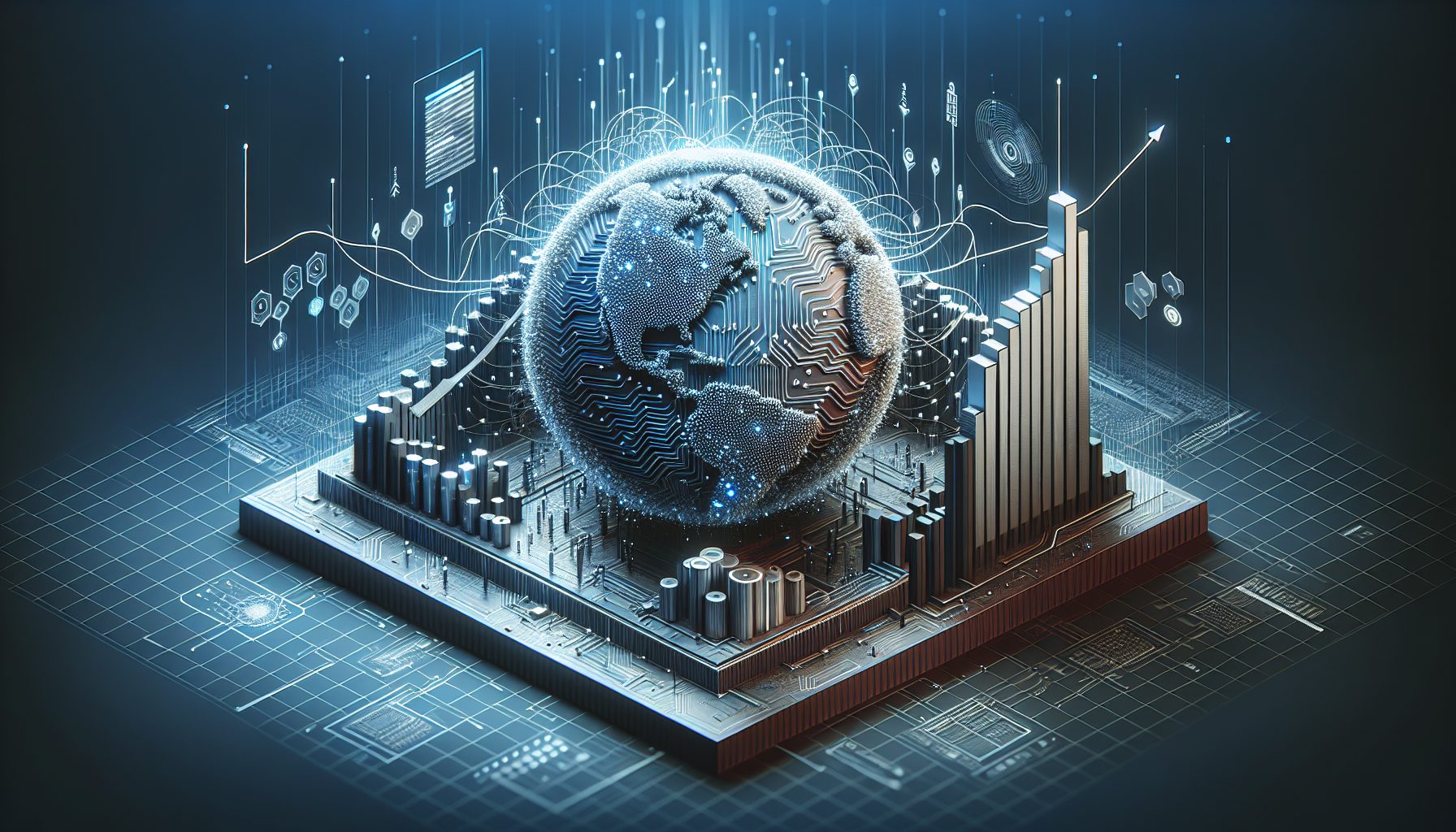
The global cybersecurity market is poised for significant growth in the coming years. A new report by Technavio projects that the market size will increase by USD 107.1 billion from 2024 to 2028, growing at a compound annual growth rate (CAGR) of 9.6%. Several factors are driving this growth, including the rising use of mobile devices and the adoption of artificial intelligence (AI) in cybersecurity.
As mobile technologies and the Internet of Things (IoT) become more prevalent in both personal and professional settings, the need for robust security measures is becoming increasingly critical. Key players in the market include AO Kaspersky Lab, Booz Allen Hamilton, Broadcom, Check Point Software Technologies, Cisco Systems, Dell Technologies, Fortinet, F-Secure, General Dynamics, Hewlett Packard Enterprise, IBM, Juniper Networks, Lockheed Martin, McAfee, Microsoft, Northrop Grumman, RTX, Sophos, The Boeing Company, and Trend Micro. The report highlights the growing role of AI in cybersecurity, with AI-powered threat detection and response systems becoming essential for mitigating cyber threats in real-time.
Companies are investing heavily in these advanced technologies to stay ahead of the increasingly complex threat landscape. The cybersecurity market is segmented based on deployment models and end-user sectors. Both on-premises and cloud-based solutions are important, with cloud security services seeing rapid adoption due to their scalability and convenience.
Geographically, North America leads the market, accounting for 39% of the market share. The U.S., China, the U.K., Germany, and Japan are among the key countries driving market growth, thanks to their advanced technological infrastructure and high digital adoption rates. The government sector is expected to see substantial growth, as heightened concerns over data security have led governments worldwide to adopt comprehensive cybersecurity measures.
Cybersecurity market drivers and challenges
For example, the U.S. Federal Bureau of Investigation (FBI) has intensified its cybersecurity efforts by creating specialized units like the Cyber Division to counter escalating cyber threats. Despite the promising growth, the cybersecurity market faces significant challenges.
The high costs of deploying and maintaining advanced cybersecurity solutions can be a barrier, especially for small and medium-sized enterprises (SMEs). These costs include investments in sophisticated hardware and software, hiring skilled personnel, and ensuring compliance with regulatory standards. The rapid evolution of cyber threats also requires continuous updates and training, further straining organizations financially.
Budget constraints and workforce shortages further complicate the landscape, making it difficult for many companies to implement effective cybersecurity measures. Looking ahead, the future of the cybersecurity market lies in continued innovation and the integration of AI and machine learning technologies to enhance threat detection and response capabilities. The rise of IoT, Big Data Analytics, and digital transactions will continue to shape the market, driving the need for robust and adaptive security solutions.
As cyberattacks become more sophisticated and frequent, the demand for comprehensive cybersecurity strategies will only grow. The market is expected to see increased investments in cloud-based security solutions, endpoint security, and advanced threat protection services. The cybersecurity market is on a trajectory of substantial growth, driven by technological advancements and the increasing prevalence of digital devices.
As organizations navigate the complexities of modern cyber threats, the adoption of AI-driven security measures will be pivotal in safeguarding digital infrastructures. However, addressing the financial and operational challenges will be crucial for sustained growth and widespread implementation.

Cameron is a highly regarded contributor in the rapidly evolving fields of artificial intelligence (AI) and machine learning. His articles delve into the theoretical underpinnings of AI, the practical applications of machine learning across industries, ethical considerations of autonomous systems, and the societal impacts of these disruptive technologies.