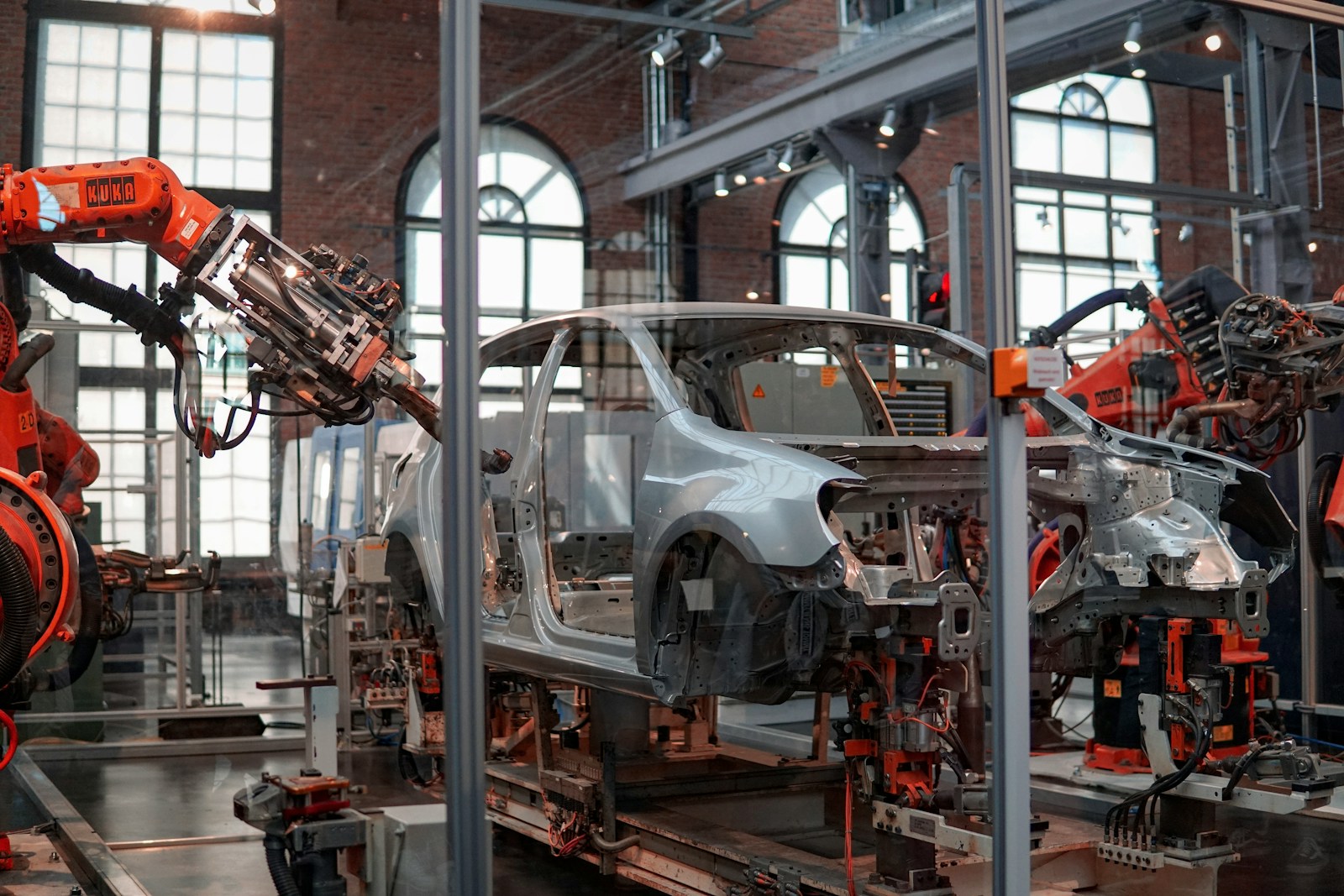
The semiconductor shortage involving Nexperia continues to pose significant risks to automotive manufacturing operations across the globe. This supply chain disruption has forced major automakers to adjust production schedules and reconsider their component sourcing strategies as the crisis shows no signs of immediate resolution.
Impact on Global Automotive Industry
Automotive manufacturers worldwide are grappling with extended delivery times and production delays due to the shortage of critical semiconductor components from Nexperia. The Dutch chipmaker, which supplies essential microcontrollers and other semiconductor products to the automotive sector, has been unable to meet demand amid broader supply chain constraints.
Industry analysts report that several major automakers have been forced to temporarily halt production lines or reduce output at manufacturing facilities across North America, Europe, and Asia. These disruptions are expected to result in hundreds of thousands of fewer vehicles produced this quarter alone.
A senior automotive industry consultant noted, “The dependency on specific chip suppliers like Nexperia has created a bottleneck that affects the entire production process. Even a single missing component can prevent a vehicle from being completed.”
Root Causes and Market Conditions
The Nexperia shortage stems from multiple factors that have converged to create a perfect storm in the semiconductor supply chain:
- Increased demand for consumer electronics during global lockdowns
- Manufacturing capacity constraints at semiconductor fabrication plants
- Logistics challenges affecting global shipping and transportation
- Raw material shortages for chip production
The automotive industry has been particularly vulnerable to these disruptions as it competes with consumer electronics manufacturers for limited semiconductor production capacity. Unlike other industries, automotive production requires specific, automotive-grade chips that meet stringent quality and durability requirements.
Automaker Responses and Adaptations
In response to the crisis, vehicle manufacturers have implemented various strategies to minimize the impact on their operations. Some companies have prioritized their most profitable models, while others have temporarily removed certain electronic features from vehicles to reduce chip requirements.
“We’ve had to make difficult decisions about which production lines to keep running based on component availability,” said a procurement director at a major European automaker. “This isn’t just about delaying new vehicle deliveries—it’s affecting our entire business model and relationship with suppliers.”
Some manufacturers have begun exploring alternative semiconductor sources or redesigning electronic systems to use more readily available components. However, these solutions require significant engineering resources and time to implement.
Economic Implications
The financial impact of the Nexperia crisis extends beyond the automotive manufacturers themselves. The shortage has created ripple effects throughout the supply chain, affecting parts suppliers, dealerships, and ultimately consumers.
Vehicle prices have increased due to limited inventory, with some popular models selling well above manufacturer suggested retail prices. Delivery times for new vehicles have extended from weeks to months in many markets.
Economic analysts estimate that the semiconductor shortage could cost the global automotive industry more than $100 billion in lost revenue this year if the situation does not improve.
The crisis has also highlighted the strategic importance of semiconductor manufacturing capacity, prompting discussions about reshoring chip production and reducing dependency on concentrated supply chains.
As automakers and suppliers work to address these challenges, industry experts predict that the full recovery from the Nexperia crisis may take 12-18 months, with lasting changes to how automotive companies approach supply chain management and component sourcing in the future.

Senior Software Engineer with a passion for building practical, user-centric applications. He specializes in full-stack development with a strong focus on crafting elegant, performant interfaces and scalable backend solutions. With experience leading teams and delivering robust, end-to-end products, he thrives on solving complex problems through clean and efficient code.