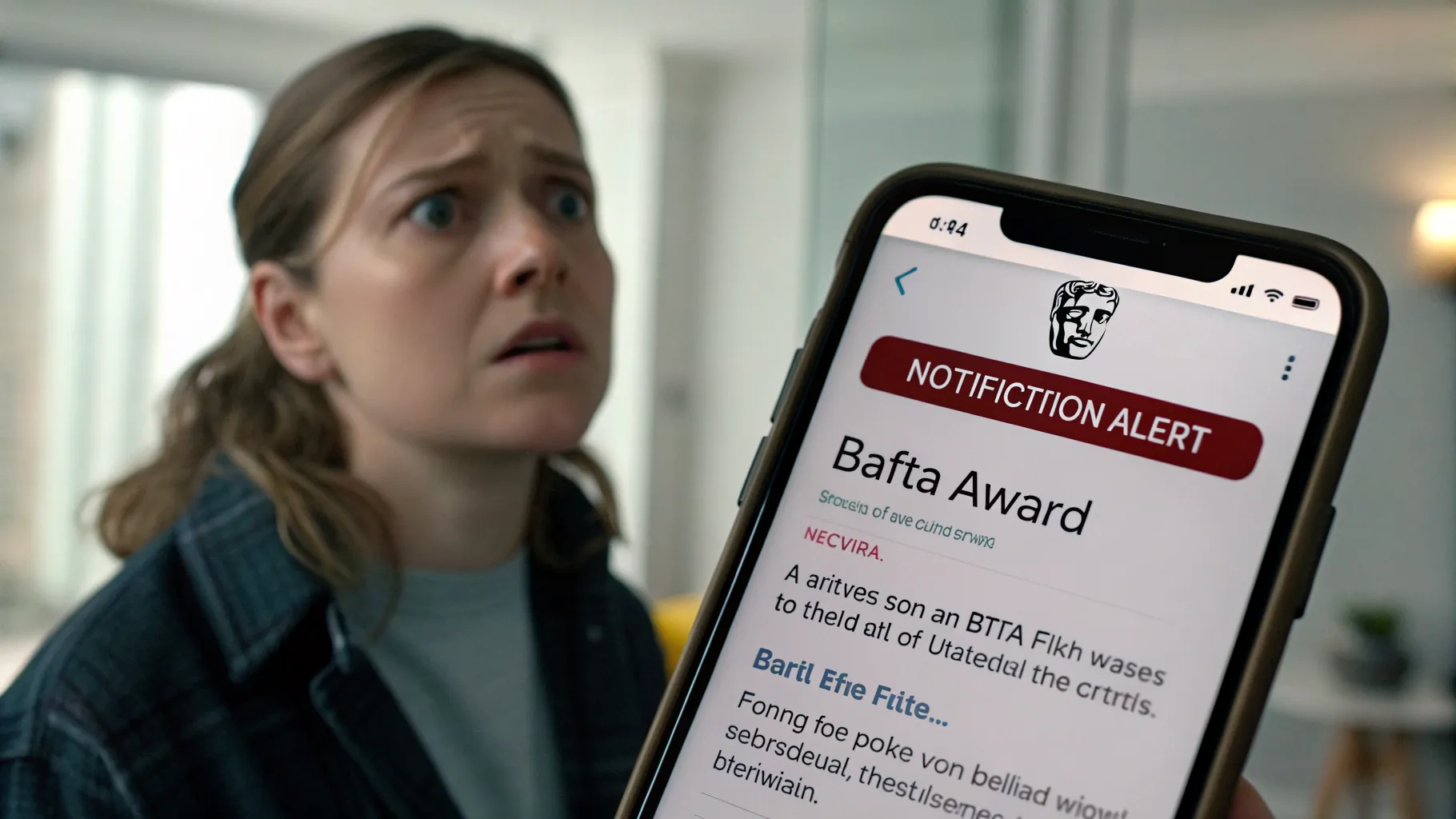
Google issued an apology on Tuesday after a push notification about the recent BAFTA Film Awards controversy included a racial slur, setting off a wave of criticism and questions about how such language passed through review. The company acknowledged the error and said it is examining its notification systems. The incident highlights rising concerns over automated content tools and the safeguards that govern them.
What Happened and Why It Matters
The alert referenced debate around the British awards show and used the N-word. For many users, the appearance of the slur on their phone screens was jarring and hurtful. The message arrived as a breaking update, surfacing to users who rely on push alerts for quick headlines and summaries.
Google apologized Tuesday for sending out an “offensive notification” about the recent BAFTA Film Awards controversy, which included the N-word.
While the company did not provide further details about how the message was published, the situation raises immediate questions about editorial checks, automation, and the limits of filters designed to block hate speech.
Context: Awards Shows and Sensitive Coverage
Awards shows often sit at the center of cultural debates, including representation, language, and the handling of sensitive topics. Coverage can spread quickly through alerts and social feeds. When a push notification repeats offensive language, even for context, it can cause harm because it lands unfiltered on locked screens and shared devices.
Publishers and platforms have adopted rules to avoid repeating slurs, often using asterisks or paraphrases. But those rules do not always extend cleanly to automated headlines, summaries, or templated alerts. The gap between standards and execution can result in incidents like this one.
Company Response and Next Steps
Google acknowledged the notification was unacceptable and issued an apology. The company said it is reviewing how the message was produced and sent. That includes looking at editorial oversight and technical safeguards that should prevent offensive terms from being pushed to users.
Companies typically rely on word filters, policy checks, and human review for sensitive content. The challenge is sharper with alerts that must be short and fast. A single term can change the meaning and impact of the entire message.
- Audit automated and manual approval paths for alerts.
- Strengthen language filters and exceptions for quoted material.
- Add a final human check for high-risk terms.
- Offer clearer reporting tools for users.
Reactions and Broader Concerns
User responses ranged from shock to demands for clearer guardrails on language. Some argue that quoting slurs can be necessary in long-form reporting with context and warnings. Others say alerts should never repeat such terms, even when summarizing a controversy.
Advocates for safer media warn that mobile alerts reach people of all ages, sometimes in schools, workplaces, or shared spaces. They add that the harm is immediate, and the distribution is wide. Even quick deletions cannot fully undo the impact.
Automation, Editorial Judgment, and Risk
Many news alerts and summaries are aided by automated systems. These tools can speed delivery but can also repeat harmful language if not tightly controlled. Editors face a hard balance: informing audiences about sensitive events while avoiding further harm.
Experts often suggest layered defenses. Automation can flag terms for manual review, while style rules can steer language choices. Where slurs are central to a story, outlets can use paraphrases or partial redactions to preserve meaning without repeating the term.
What to Watch
Observers will look for concrete steps from Google. That includes clearer policies for sensitive words in alerts, transparent review processes, and public reporting on changes. The incident may also prompt other platforms to check their own safeguards.
For users, the episode is a reminder to customize notification settings and provide feedback when alerts cross a line. For platforms, it shows the need to align speed with care, especially when covering topics that carry pain and history.
The company’s apology addresses the immediate issue but leaves larger questions about oversight and accountability. The test now is whether stronger systems and clearer standards will prevent a repeat. The next few weeks should reveal how technology and human judgment will work together to keep harmful language off lock screens.

A seasoned technology executive with a proven record of developing and executing innovative strategies to scale high-growth SaaS platforms and enterprise solutions. As a hands-on CTO and systems architect, he combines technical excellence with visionary leadership to drive organizational success.