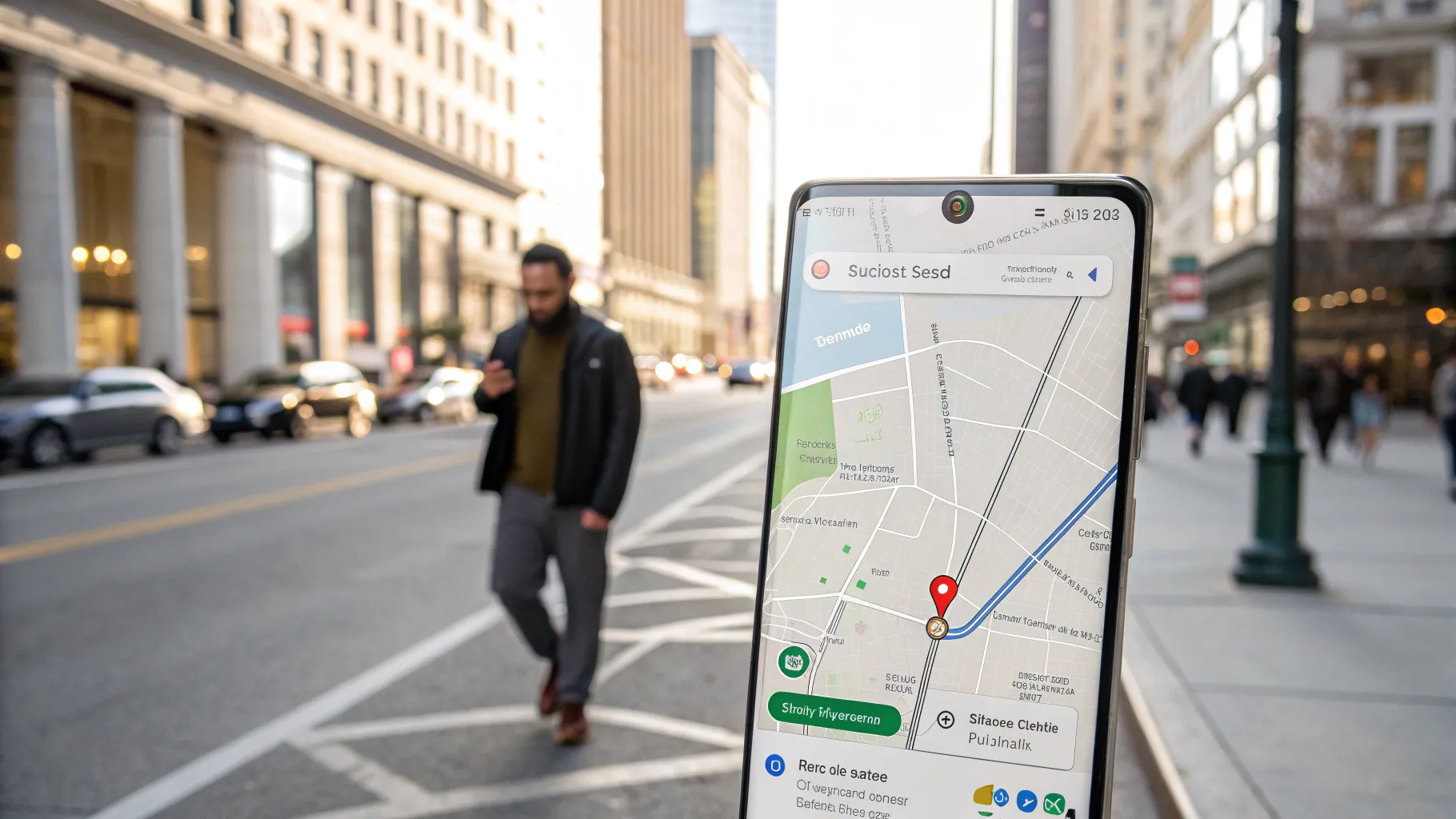
Google is shifting its navigation app into a smarter guide, weaving artificial intelligence into search, routing, and on-the-go help. The company signaled a new phase for the service this week, positioning AI as an active helper for trip planning and daily errands used by more than a billion people worldwide.
“Google Maps is heading in a new direction with artificial intelligence sitting in the co-pilot’s seat.”
The change arrives as users ask more open-ended questions, like where to find a quiet cafe near a park or a scenic drive that avoids highways. Google says new models will analyze reviews, photos, traffic, weather, and business details to return suggestions that feel closer to local advice than a list of pins on a map.
What Is Changing Inside Maps
Google is testing conversational search that accepts vague prompts and follows up with suggestions. The app can propose neighborhoods, build short lists, and surface key details such as hours, crowd levels, and price ranges.
Routing is getting smarter too. The system weighs live traffic, road works, speed limits, and weather to refine arrival times. For drivers, it can flag safer turns and offer routes that cut hard braking. EV owners will see charger availability and speed, not just locations.
Visual search is expanding. Lens in Maps uses the camera to identify transit signs, store fronts, and landmarks. It matches what the phone sees with place data, helping travelers in unfamiliar areas.
Why Google Is Making This Move
People now plan across many tabs and apps. Google wants Maps to handle more of that work in one place. The company has long managed place data and imagery at scale, including hundreds of millions of business listings and crowdsourced photos. AI can sift this material and turn it into suggestions that save time.
The update also reflects competition. Apple has improved its maps and transit details. Niche apps offer better hiking trails, parking, or local dining tips. By adding an assistant-like layer, Google is trying to protect its lead and draw users deeper into its ecosystem.
How It Could Affect Users and Businesses
For users, the biggest change is speed and clarity. Instead of searching five times, then reading reviews, the app may propose three picks with reasons pulled from community posts and menus.
- Travelers get quick plans tailored to weather and timing.
- Commuters see more accurate ETAs and safer turns.
- EV drivers find compatible chargers with real-time status.
For small businesses, ranking will matter even more. AI summaries will rely on review quality, recent photos, and consistent details. Shops with sparse info may fall behind. Marketers will watch how sponsored results appear inside AI answers and whether ads blend with recommendations.
Data Quality, Safety, and Privacy Questions
AI features work only if the data is timely and real. Google says it is improving its systems that detect fake reviews and outdated listings. Still, errors can spread fast, and AI summaries may amplify them.
Safety data is a focus. Warnings about sharp turns or heavy braking can make driving safer, but users want clear explanations and control over what is tracked. Google offers location and activity controls, yet privacy groups often push for simpler opt-outs and shorter data retention.
Experts caution that AI can sound confident while being wrong. Clear labels, source links, and quick ways to report issues will be important for trust.
What To Watch Next
Google is rolling out features in stages, starting with English in select cities before wider release. The company will test how people respond to conversational results and whether they replace long review browsing.
Developers will look for new integrations, such as booking tables, reserving parking, or syncing with transit tickets. City planners may seek anonymized insights for traffic and safety projects, if privacy rules allow.
Competitors will answer with their own AI tools. Apple is investing in richer place cards and offline use. Startups continue to focus on specialized maps for cyclists, hikers, and delivery drivers.
Google’s plan is clear: make Maps less of a static directory and more of a helpful companion for daily life. If the data stays accurate and controls stay clear, AI guidance could make trip planning smoother and driving safer. The next few releases will show whether users trust an assistant riding shotgun on every route.

A seasoned technology executive with a proven record of developing and executing innovative strategies to scale high-growth SaaS platforms and enterprise solutions. As a hands-on CTO and systems architect, he combines technical excellence with visionary leadership to drive organizational success.