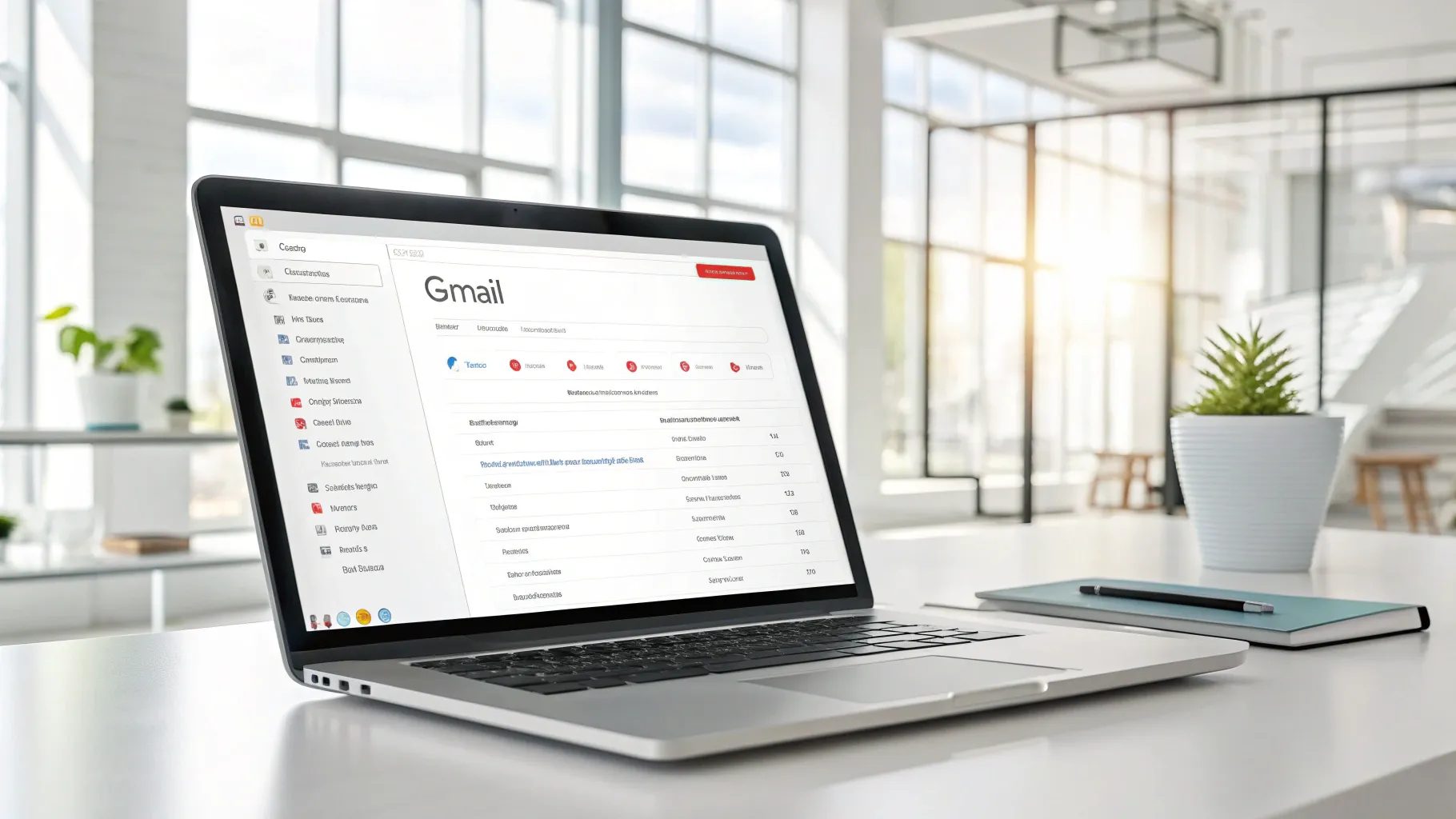
Google signaled another push to add artificial intelligence to Gmail, raising fresh questions about how email will change for consumers and businesses worldwide.
The company did not lay out a timeline or list specific features. But the move, flagged this week, suggests new upgrades are in the pipeline for one of the world’s most widely used communication tools. The news matters because Gmail sits at the center of work and personal messaging, and AI could shape how people write, organize, and respond to email.
“More AI features are coming to Gmail.”
Why This Matters Now
Google has steadily added machine learning to Gmail for years. Smart Reply launched in 2017 to suggest quick responses. Smart Compose followed in 2018 to predict text as users type. In 2023, Google rolled out “Help me write” to draft and refine messages. Earlier this year, the company tied these tools to its Gemini models across Workspace, including Docs, Meet, and Gmail.
These steps mirror a broader industry shift as Microsoft, Apple, and others fold AI assistants into core apps. Email, with its volume and repetitive tasks, is a prime target for automation. A new wave of features could further cut time spent drafting, sorting, and following up on messages.
What New Capabilities Could Look Like
Google’s past releases hint at where it may go next. While details are not confirmed, likely areas include writing assistance, organization, and quick answers drawn from message history.
- Richer drafting help that adapts tone for different audiences.
- Thread summaries that highlight decisions, dates, and action items.
- Contextual replies based on attached files or previous emails.
- Automated follow-up prompts and task extraction.
- On-device features for speed and privacy on mobile.
Enterprises may also see tighter links between Gmail and other Workspace apps. That could include turning emails into tasks in Sheets or Docs, or pulling meeting summaries into follow-up messages in seconds.
Potential Gains and Trade-Offs
For time-pressed workers, more capable email assistance could reduce inbox overload. Automated summaries may help teams scan long threads and get to decisions faster. Sales and support staff could reuse guided drafts while tailoring messages to each client.
But there are risks. Over-reliance on AI can introduce errors or generic language that weakens trust. Users may send messages they did not fully review. Teams could miss nuance if they rely on summaries instead of reading full threads.
AI features also raise important questions on bias and accuracy. Even small mistakes—wrong dates, misread sentiment, or mislabelled tasks—can trigger real costs for a business.
Privacy, Security, and Control
Gmail has long used machine learning to filter spam and phishing at scale. New AI features increase the need for clear data use rules. Google has said customer Workspace data is not used to train public models without consent, and admins can control access to AI tools. Any new features will draw scrutiny from regulators, especially in Europe, where data protection rules are strict.
Companies will look for transparency on where data is processed, how long it is stored, and whether admins can turn features on or off for certain teams. Clear user prompts and audit trails will be key for compliance-focused industries.
Market Pressure and User Expectations
Rival platforms are adding similar tools. Microsoft promotes Copilot in Outlook for drafting and thread summaries. Smaller vendors offer plugin-style assistants. Users now expect email to do more than send and receive. They want fast replies, quick search, and help extracting tasks and deadlines.
Price will play a role. If the best tools sit behind add-on fees, adoption could skew to larger firms. Bundled features inside existing Workspace plans would accelerate uptake among small and mid-size businesses.
What to Watch Next
Look for signals at Google’s product events and Workspace updates over the coming months. Any preview of upgraded “Help me write,” improved summarization, or tighter Gemini integration would show how far Gmail’s AI can go without hurting accuracy or user trust.
The next wave will likely aim at everyday email pain points: long threads, repetitive drafting, and missed follow-ups. If Google balances speed with control, Gmail could become not just an inbox, but a more active assistant for work.
For now, the message is clear: more AI is on the way to Gmail. The impact will hinge on careful design, strong privacy defaults, and proof that these tools save time without introducing new errors.

A seasoned technology executive with a proven record of developing and executing innovative strategies to scale high-growth SaaS platforms and enterprise solutions. As a hands-on CTO and systems architect, he combines technical excellence with visionary leadership to drive organizational success.