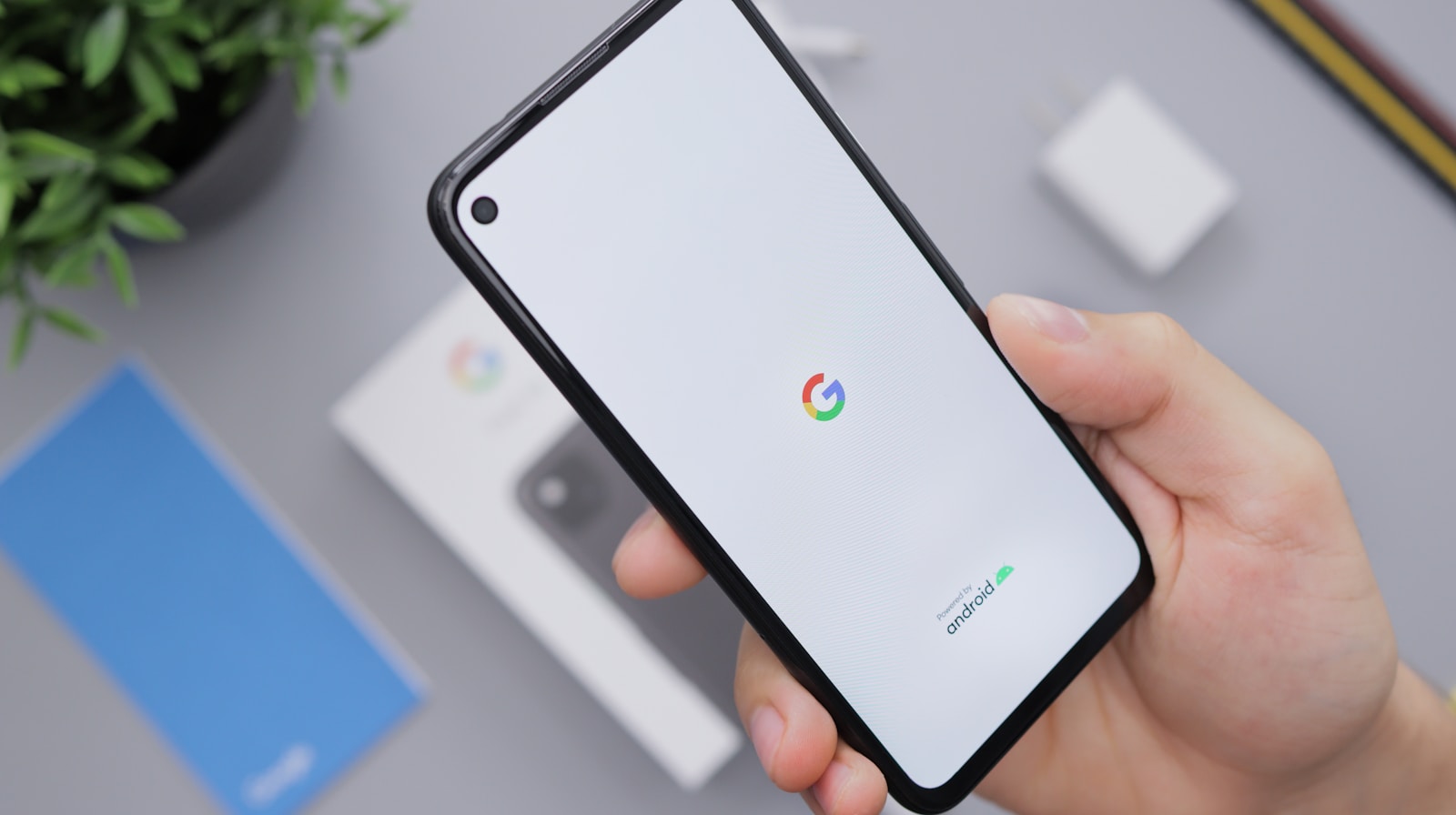
Google has transformed billions of Android smartphones into a worldwide earthquake detection system, providing critical early warnings to people in at-risk areas. The Android Earthquake Alerts program uses the sensors built into smartphones to detect seismic activity and quickly notify users before shaking reaches their location.
The system works by harnessing the accelerometers already present in Android devices. These sensors, primarily designed to detect phone orientation and movement, are sensitive enough to register the initial seismic waves that precede more damaging tremors. When multiple phones in the same area detect these characteristic movements, the system can identify a potential earthquake.
How the Technology Works
The Android Earthquake Alerts system operates on two levels. First, phones detect the primary waves (P-waves) from an earthquake, which travel faster but cause less damage than the secondary waves (S-waves). This detection creates a critical time window—sometimes just seconds, but potentially up to a minute—for users to take protective action before stronger shaking begins.
Once an earthquake is detected, the system sends alerts to Android users in the affected area. These notifications provide information about the expected intensity and timing of the earthquake, allowing people to seek shelter, move away from dangerous objects, or take other safety measures.
The system’s effectiveness increases with user density. In urban areas with many Android devices, the detection network becomes more accurate and responsive, potentially providing alerts even for smaller seismic events.
Global Impact and Reach
Traditional earthquake early warning systems require expensive ground-based sensors, limiting their deployment to wealthy regions or areas with high seismic activity. Google’s approach democratizes access to this life-saving technology by using devices people already own.
The program has particular significance for regions along major fault lines that lack conventional warning infrastructure. Countries across Asia, Latin America, and parts of Africa now benefit from a warning system that would have been financially impossible to build using traditional methods.
The system has already proven its value in several recent earthquakes, sending alerts that gave recipients precious seconds to prepare. In some cases, users reported receiving notifications before feeling any ground movement.
Privacy and Technical Considerations
Google designed the system with privacy in mind. The earthquake detection feature uses minimal data transmission, sending only anonymous information about potential seismic activity to central servers. Users’ locations are generalized to city-level data rather than precise coordinates.
The system faces some technical challenges. False positives must be minimized to maintain user trust, while ensuring the system remains sensitive enough to detect actual earthquakes. Google addresses this through algorithms that look for patterns across multiple devices rather than relying on individual phone readings.
Battery impact remains minimal, as the system leverages sensors that are already active for other phone functions. The detection process runs in the background without noticeably affecting device performance or battery life.
The Android Earthquake Alerts program represents a significant advancement in public safety technology. By converting everyday smartphones into a vast seismic monitoring network, Google has created an early warning system with global reach that could save countless lives during future earthquakes.
As the system continues to develop and more Android users come online worldwide, its coverage and accuracy are expected to improve further, potentially reducing earthquake-related injuries and fatalities across the globe.

A seasoned technology executive with a proven record of developing and executing innovative strategies to scale high-growth SaaS platforms and enterprise solutions. As a hands-on CTO and systems architect, he combines technical excellence with visionary leadership to drive organizational success.