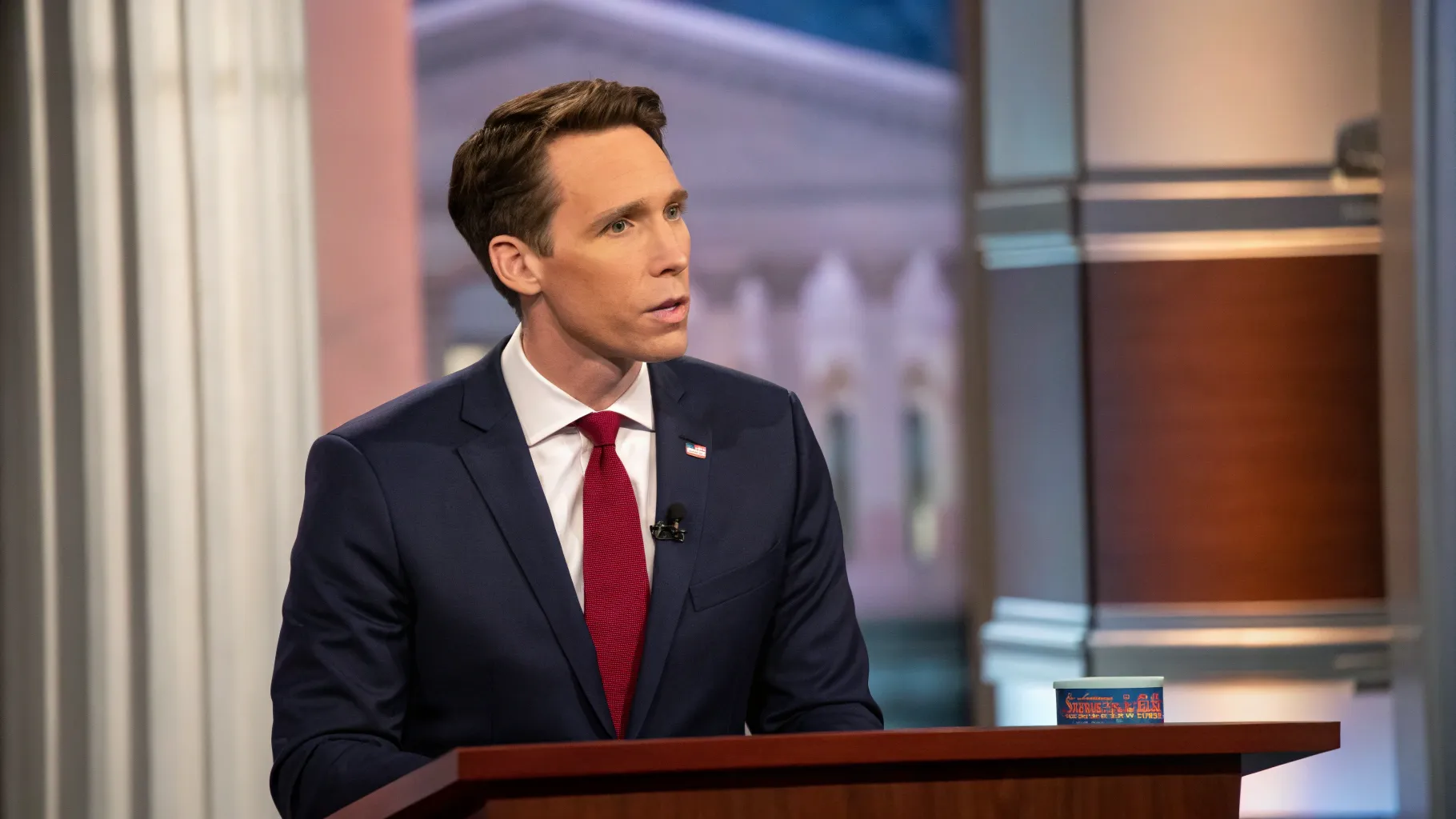
Sen. Josh Hawley of Missouri used a recent appearance on The Will Cain Show to press his views on four high-stakes fights in Washington: the impact of a possible government shutdown, changes to food aid, the future of the Senate filibuster, and a bipartisan push to regulate artificial intelligence.
In the wide-ranging discussion, Hawley signaled where he sees immediate risks for families and how Congress should respond. The conversation arrives as lawmakers face deadlines on funding and as AI policy gains traction across party lines.
“Sen. Josh Hawley, R-Mo., comments on the impact of the government shutdown, reforms to SNAP, doing away with the filibuster and his bipartisan bill regarding artificial intelligence on ‘The Will Cain Show.’”
Shutdown Stakes for Workers and Families
With federal funding fights recurring, concerns center on missed paychecks, delayed services, and stalled programs. During shutdowns, many civilian workers face furloughs or delayed pay. Contractors can lose wages outright.
Families also worry about ripple effects. National parks may close. Permits and federal paperwork can stall. Small businesses waiting on loans from the Small Business Administration can see delays.
Critics of brinkmanship argue shutdowns raise costs. Reopening often requires back pay for federal employees and added administrative expenses. Supporters of hard lines on spending say short-term pain is worth long-term restraint. Hawley framed the discussion around what matters at home in Missouri, pointing to kitchen-table pressures when Washington stalls.
SNAP Reforms and Food Costs
The Supplemental Nutrition Assistance Program (SNAP) is often central in budget debates. SNAP helps low-income households buy groceries. After the pandemic emergency ended, monthly benefits fell for many families at the same time food prices rose.
Republicans have pushed for work verification rules and efforts to curb fraud. Democrats warn that tighter rules can remove help from people with unstable hours, such as gig workers or those in rural areas. States also face compliance burdens when rules shift quickly.
Any changes to SNAP can affect local grocers and food banks. When benefits drop, food pantries report higher demand. Hawley’s focus on reforms reflects a broader fight over how to balance accountability with access in a period of high prices.
The Filibuster Debate Rekindled
Calls to end the Senate filibuster rise whenever one party seeks to move big bills without 60 votes. Supporters say it forces consensus and prevents swings in law each time control changes. Opponents argue it blocks action on popular measures and gives a veto to a minority.
Hawley’s remarks aligned with an ongoing internal debate on the right and the left. Some Republicans caution that ending the filibuster could backfire the next time Democrats hold power. Some Democrats want to scrap it for voting rights, abortion protections, or gun policy. The question remains whether either side is willing to accept the long-term tradeoffs.
Bipartisan Push on Artificial Intelligence
AI has moved to the center of Congress’s agenda. Lawmakers from both parties are studying safety, copyright, privacy, and national security. Hawley has worked with Democrats on outlines for rules, including stronger accountability for developers and clearer labels for AI-generated content.
Industry groups warn that heavy rules could slow innovation or tilt the field to larger firms that can afford compliance. Advocates for stricter oversight say risk disclosures and testing are needed to prevent harm in areas like healthcare, finance, and defense. Civil society groups also press for clear limits on face recognition and biometric tracking.
While the Senate has held forums and issued frameworks, full legislation remains a work in progress. Key questions include who gets licensed, how to audit models, and how to enforce transparency for AI systems that affect jobs and safety.
What to Watch Next
- Funding deadlines that could trigger a shutdown and test Congress’s resolve.
- Negotiations over SNAP rules and their effect on households and grocers.
- Renewed efforts to weaken or protect the filibuster in a closely divided Senate.
- Draft text of an AI bill that turns broad principles into enforceable rules.
Hawley’s media push highlights fault lines that will shape the next session. Spending fights will determine whether agencies stay open. SNAP debates will affect millions of families. The future of the filibuster could decide how quickly any agenda moves. And AI rules may set the guardrails for a fast-growing technology.
As deadlines approach, expect pressure for short-term deals while larger bargains remain elusive. Voters, markets, and agencies want clarity. The next few weeks will show whether Congress can deliver it.

Kirstie a technology news reporter at DevX. She reports on emerging technologies and startups waiting to skyrocket.