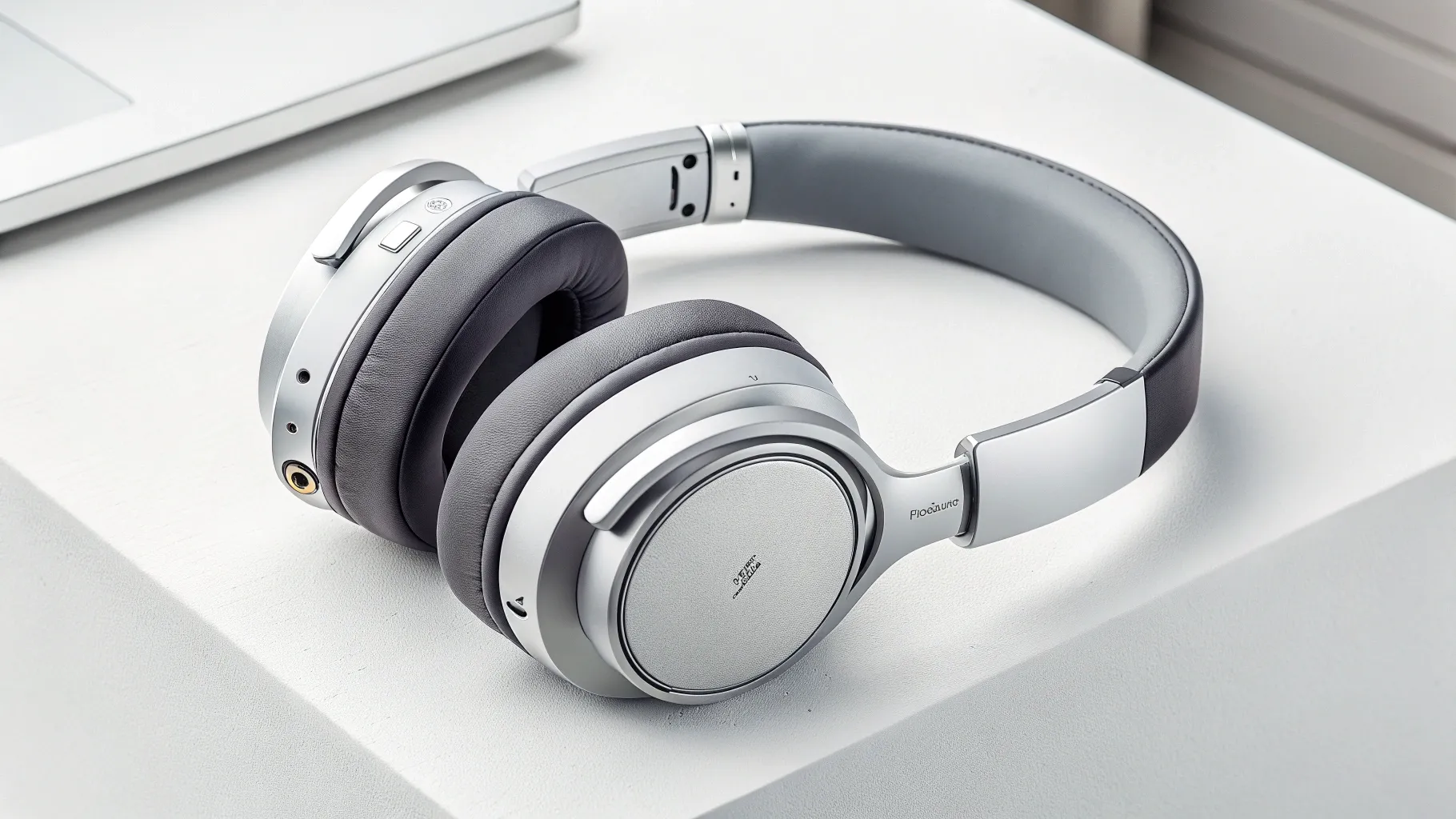
A new class of headphones aims to solve one of the hardest problems in hearing: keeping track of a single voice in a noisy room. Researchers say the devices can lift the voice of a conversation partner by tracking the rhythm of back-and-forth speech, offering relief to people with limited hearing in crowded settings.
The approach focuses on social situations where several people talk at once. It uses timing cues from turn-taking to decide which voice to lift. Developers claim this can help in restaurants, offices, and family gatherings, where standard hearing aids often struggle.
Why This Matters
Hearing loss affects daily life for millions of people. The World Health Organization estimates that more than a billion people live with some degree of hearing loss, with hundreds of millions needing support. Many can hear a single speaker well but lose track when others chime in. Researchers call this the “cocktail party problem.”
Conventional devices use directional microphones and noise reduction. Those tools help with steady sounds like traffic or fans. They often fail when many speakers overlap. That gap leaves users tired, isolated, or forced to withdraw from group conversations.
What The New Headphones Do
The new systems try a different cue: conversation rhythm. They watch for the timing of who speaks when, and they lift the person who is in a turn with the wearer. The goal is to lock on to the right voice without constant manual controls.
Individuals with limited hearing struggle in situations where multiple people around them are speaking at once. New headphone tech could help, by boosting the voice of the person they’re talking to based on the rhythm of the conversation.
In practice, onboard software tracks syllable timing and pauses. If the wearer says “yes” or asks a question, the device expects a reply within a short window. The voice that answers gets priority. If the user turns to a new person or changes speaking pace, the system adapts.
- Targets the active conversation partner using turn-taking cues.
- Reduces competing voices without muting them entirely.
- Works with existing microphones and speaker arrays in headphones.
Expert Views And Early Feedback
Audiologists have long warned that background speech is the toughest noise to manage. They see promise in any method that follows the wearer’s social focus, not just head angle. Some urge careful testing across accents, languages, and fast group talk. A clinician cautioned that “boosting the wrong voice even for a second can break comprehension.”
Early users report less effort in small groups and at dinner tables. One tester said the device “stops chasing the loudest person and sticks with the one I’m talking to.” Others note that rhythm cues can slip during cross-talk or quick interruptions, which are common in lively settings.
Technical And Ethical Questions
The timing-based approach raises several hurdles. Rapid switches in lively discussions could confuse the system. Latency must stay low so voices feel natural. Battery life could suffer if constant analysis runs on the device.
Privacy is another concern. Any system that monitors multiple voices must make clear what is processed and what is stored. Developers say on-device processing can limit risks, but consumer watchdogs will want independent checks. Transparency and simple controls will be key for trust.
How It Compares To Other Efforts
Prior research has explored eye tracking to select a talker, or even brain-based attention signals measured with sensors. Those methods can be accurate but add cost or complexity. Rhythm tracking uses cues people already follow in conversation, which may work with standard hardware.
If proven in real-world use, the method could also help language learners, workers in open offices, and older adults who find group talk draining. It could be paired with beamforming and automatic noise models for extra gains.
What To Watch Next
Key tests will measure performance in busy rooms, with music, and in overlapping speech. Independent trials in clinics and community settings will help confirm benefits. Standards bodies may also step in with rules on speech data handling.
If the technology holds up, it could change how assistive audio handles group talk. Products that follow conversation rhythm may restore confidence to people who have avoided social events. The next stage will show whether the systems can keep pace with real life and do so without trade-offs in comfort, privacy, or battery life.

Kirstie a technology news reporter at DevX. She reports on emerging technologies and startups waiting to skyrocket.