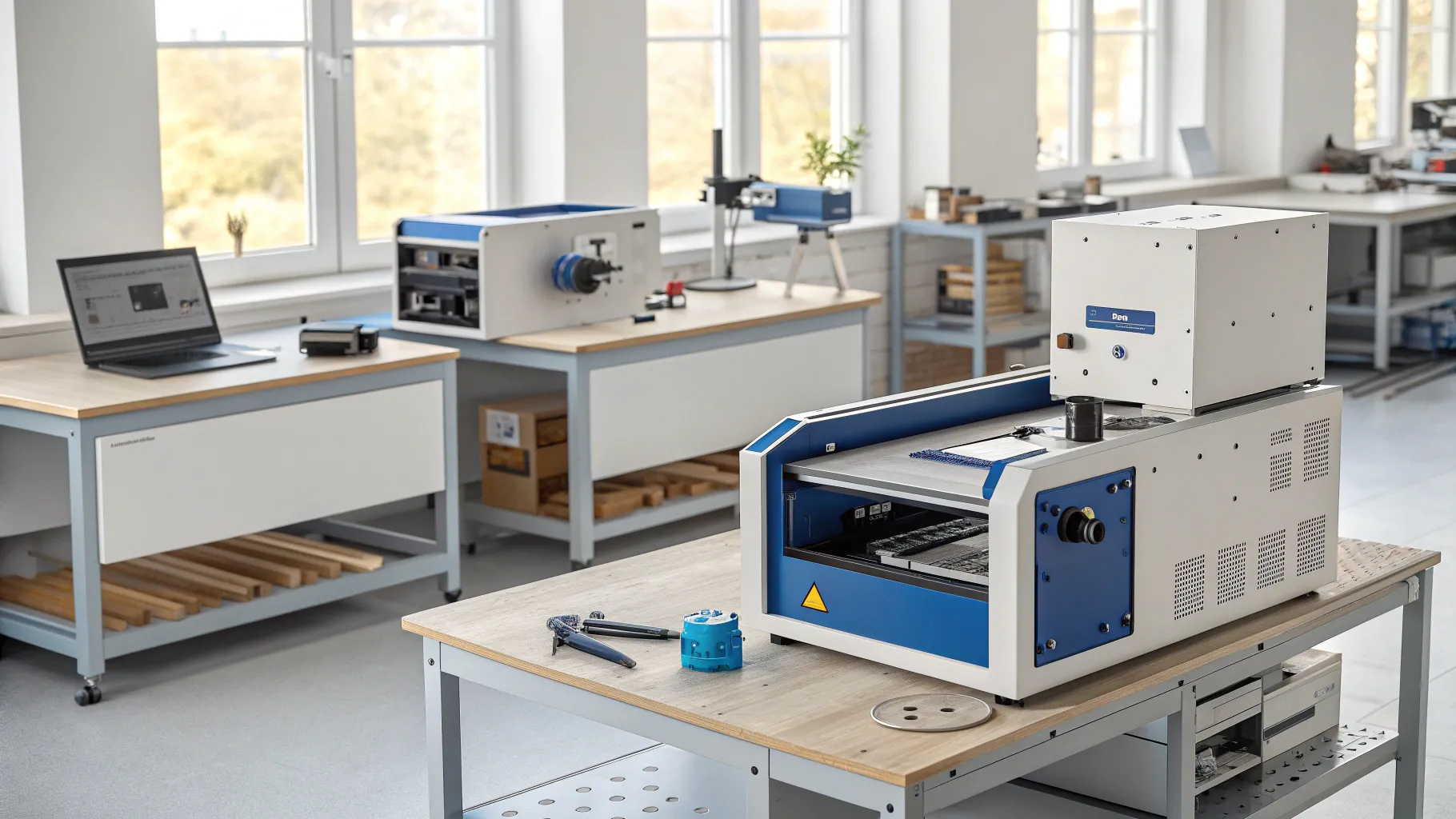
As laser engraving grows among makers, one enthusiast’s side-by-side trials point to ultraviolet systems as the current favorite for fine etching. After months of testing in a home workshop, the hobbyist compared blue diode, infrared, and UV units and reported clear differences in speed, detail, and safety outcomes.
The maker community has embraced desktop lasers for etching and cutting wood, plastics, coated metals, and more. Yet newcomers often face a confusing market of diode, infrared fiber, and UV galvo machines. This recent hands-on account offers a snapshot of how the machines perform on different materials, and why more users are looking at UV for precision work.
Hands-On Findings From the Workshop
“Laser engraving has become a new hobby of mine as of late. I’ve been tinkering around with blue diode lasers that can engrave, but seem to function better as organic material cutters.”
Blue diode lasers have long been the entry point for hobbyists. They are relatively affordable and easy to set up. In this trial, they performed best on wood and other organic materials, matching common community advice.
“I also have an IR laser that’s good for some metals. But after running UV for a while now, it’s become pretty clear that UV is the king of etching.”
Infrared units are often valued for marking certain metals and darker plastics. But the enthusiast described UV as superior for detailed surface work, especially on materials that respond to shorter wavelengths. The results highlight a key distinction: cutting versus marking. Diode lasers can cut thin organics with moderate precision. UV machines tend to excel where high-resolution etching and contrast are the goal.
Speed, Detail, and Cleaner Results
“Glavo UV lasers are unmatched when it comes to sheer speed and fine detail. Not to mention less smoke, less soot, less warping, and less ‘Ahhh! It’s on fire again!'”
Galvo UV machines steer the beam with mirrors rather than moving a gantry across a bed. That design often allows fast marking over a defined field. For the hobbyist, speed paired with crisp detail stood out as the main advantage.
The account also points to cleaner operation. Less smoke and soot can mean fewer cleanup steps and lower chance of residue clouding lenses. Reduced heat in the work area may also help limit warping, a common problem with thin wood and some plastics.
- Blue diode: strong for cutting organics, moderate detail.
- Infrared: useful on select metals and dark plastics.
- UV galvo: fast, high-resolution etching with cleaner edges.
Costs, Safety, and Access
While the report highlights strong UV performance, trade-offs remain. UV galvo units can carry higher upfront costs than basic diode engravers. Replacement parts, calibration tools, and ventilation add to ownership expenses.
Safety is also a factor. UV light poses eye and skin risks. Proper enclosures, certified eyewear, and exhaust systems are essential. Even with less soot, any laser process can generate fumes that require filtration or venting.
For newcomers, makerspaces and community workshops can offer supervised access and training. This helps users evaluate whether they need cutting capability, precision marking, or both before investing in a machine.
Use Cases and Material Choices
The maker’s results map to common use cases. UV units often shine on high-contrast markings, fine text, and micro patterns. Diode systems handle thicker wood cuts and craft projects at lower cost. Infrared fills a niche for marking certain metals without coatings.
Material testing matters. Coated metals, anodized aluminum, engineered plastics, and certain leathers can respond very differently across wavelengths. Sample runs and small batches reduce waste and help dial in settings like power, speed, and frequency.
What This Means For the Maker Community
The account adds weight to a shift that some hobbyists have reported: as projects demand finer marks on more materials, interest in UV is rising. Yet many users still rely on diodes for budget-friendly cutting and on infrared for metal-specific jobs.
For now, the choice depends on project goals:
- Need a budget cutter for wood and cardboard? Diode may suffice.
- Need high-contrast, fine-detail etching on sensitive substrates? UV is a strong option.
- Need to mark certain metals with permanence? Infrared could be the right fit.
The workshop findings present a clear takeaway: matching wavelength and machine type to the job can improve results, cut cleanup, and reduce fire risk. As more users compare systems side by side, the market will likely sort into specialized lanes rather than a single “best” machine.
The enthusiast’s verdict on UV galvo speed and detail is striking, but cost and safety should guide buying decisions. Readers should watch for falling prices on enclosed UV units, better ventilation solutions, and clearer manufacturer guidance on materials. The next big step is not raw power, but reliable, safer setups that make precision etching accessible without sacrificing control.

Kirstie a technology news reporter at DevX. She reports on emerging technologies and startups waiting to skyrocket.