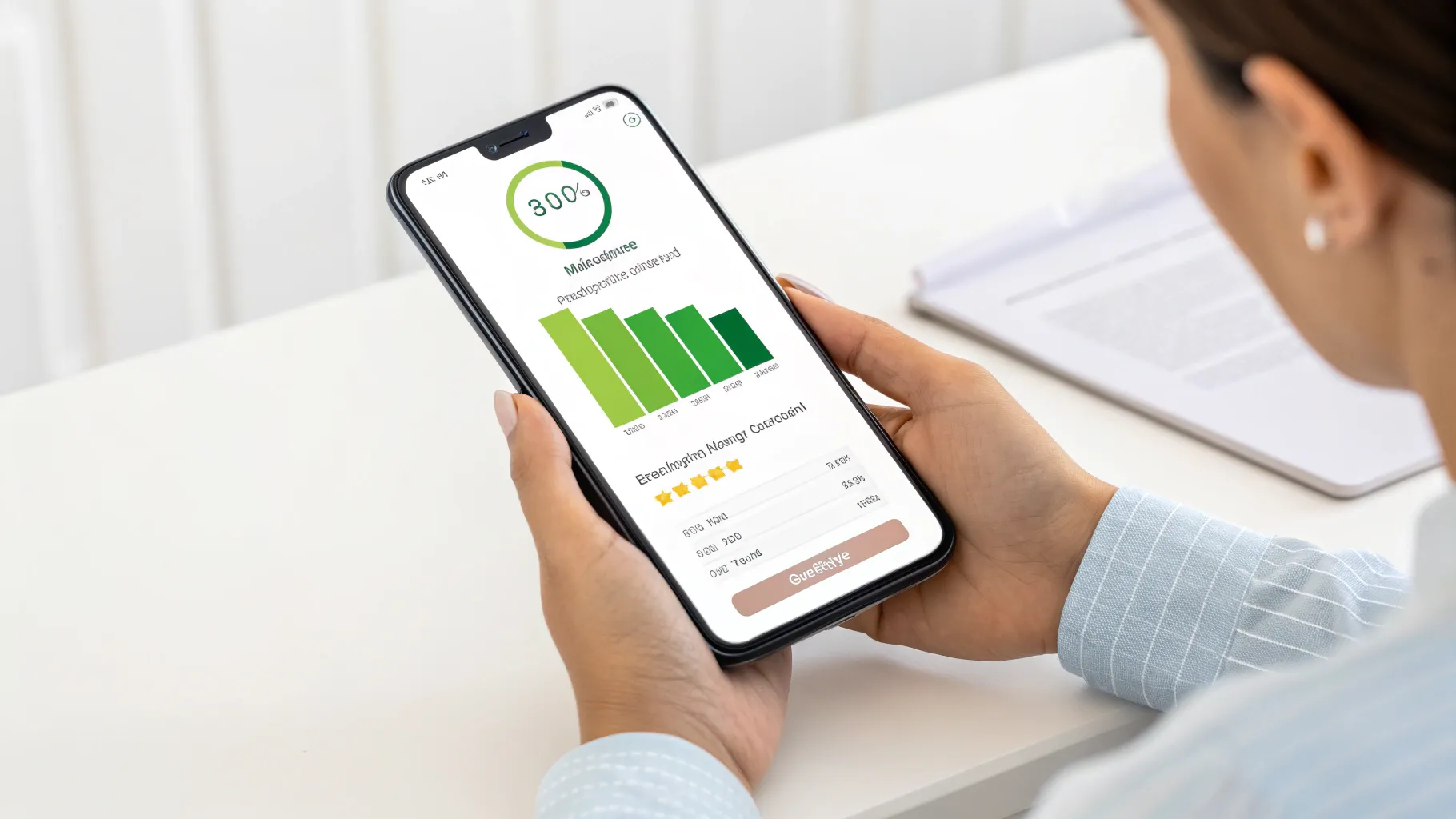
iFixit has released a new free app designed to tell users exactly when to replace a phone battery, aiming to help people act before battery life collapses. The launch arrives as repair advocates press for longer device lifespans and as consumers seek clearer guidance on battery health.
The app promises timely alerts and practical recommendations, offering a simple way to plan maintenance and avoid sudden, frustrating drops in performance. It targets iPhone and Android owners who often have to guess whether poor runtime stems from age, software, or charging habits.
Why Battery Timing Matters
Smartphone batteries lose capacity with each charge cycle. Heavy use, heat, and fast charging can speed that process. Many users keep phones for three to five years, stretching batteries far past their original performance.
Manufacturers offer basic indicators. Apple’s iOS includes a “Battery Health” view that estimates maximum capacity. Several Android brands provide diagnostics, though the detail varies. Still, people often wait until the phone feels slow or dies early in the day before acting.
iFixit’s pitch is simple: plan the replacement before the battery fails. As the announcement puts it:
“The new and free iFixit app tells you exactly when to replace your phone’s battery, before your battery life falls off a cliff.”
What the App Aims to Do
The tool appears to focus on translating battery indicators and usage patterns into clear guidance. It likely reads on-device health data, then turns that into a replacement window, reminders, and steps for next actions.
- Identify declining capacity before daily runtime craters.
- Provide practical timing for replacement.
- Offer instructions or resources to complete the swap.
iFixit is known for repair guides and parts sourcing. The app could connect users to those resources, though the core value is the timing alert. For many, that means replacing a battery during a quiet week, not in the middle of a trip or a work deadline.
Right-to-Repair Momentum
The release aligns with broader repair trends. States such as California, Minnesota, and New York have passed right-to-repair laws covering consumer electronics. These rules aim to improve access to parts, tools, and manuals.
In Europe, a new battery regulation seeks better labeling, recyclability, and easier replacement for portable devices in the coming years. Pressure is growing on phone makers to support longer device lifespans and provide clear battery information.
Clear guidance could reduce e-waste. Swapping a worn battery often keeps a device in service for years. That is cheaper for consumers and better for the environment than replacing an entire phone.
How It Could Change Consumer Behavior
People often react to problems rather than plan maintenance. A simple alert could shift behavior by making battery care routine. If users act earlier, they avoid performance throttling and emergency repairs.
For repair shops, steadier demand may help staffing and parts inventory. For carriers and manufacturers, the change could slow upgrade cycles. That tension has long defined the debate over repair access and software transparency.
Questions About Accuracy and Privacy
Any prediction tool must be accurate enough to earn trust. Battery health readings can vary by model, firmware, and usage. Some devices limit access to charge cycle counts or internal diagnostics, which could affect precision.
Privacy will also matter. Users will want data kept on device or handled with clear consent. iFixit’s reputation for user-first repair may help, but specifics on data handling will be key.
What to Watch Next
Early user feedback will reveal if the app nails the timing and works across different models. Consistent guidance across iPhones and Android devices would signal strong engineering and reliable data parsing.
Manufacturers could respond with clearer built-in tools or expanded service options. Carriers may adjust battery replacement pricing or bundles. Regulators may point to tools like this as proof that better transparency reduces waste.
For now, the message is direct and timely. If an app can warn users before daily runtime collapses, it could save money, reduce frustration, and keep millions of phones in service longer.
Bottom line: clear battery replacement timing fills a long-standing gap. If the alerts are accurate and privacy is respected, this could become a staple on many phones—and a small win for repair-friendly design.

Kirstie a technology news reporter at DevX. She reports on emerging technologies and startups waiting to skyrocket.