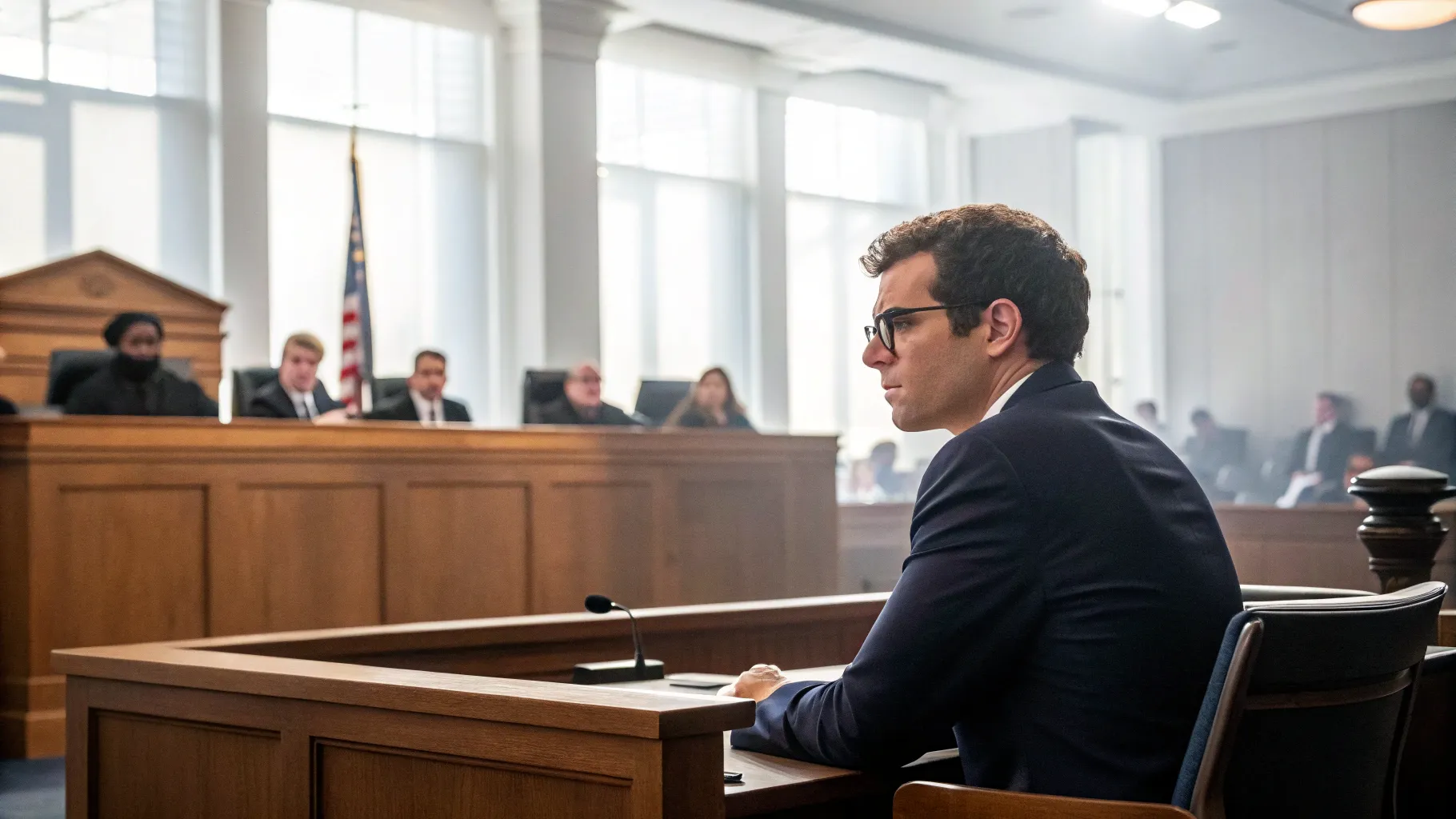
Adam Mosseri, the head of Instagram, testified Thursday in a high-stakes antitrust trial against Meta in Washington, D.C. federal court. The session drew intense interest because Instagram sits at the center of the government’s case. The proceedings could shape how social media is regulated and whether Meta may one day have to unwind past deals.
The case tests whether Meta holds an illegal monopoly in personal social networking. It also examines how the company handled rivals and used acquisitions to protect its position. Regulators argue consumers and creators paid the price through fewer choices and weaker privacy. Meta denies those claims and points to fierce competition from TikTok, YouTube, Snapchat, and new entrants.
Why Instagram’s Leader Matters
Mosseri’s appearance highlights Instagram’s importance to both sides. Prosecutors view the app as the crown jewel of Meta’s social portfolio. Meta sees it as proof that the company adapts and competes in a crowded market.
“Head of Instagram Adam Mosseri testified Thursday in the Meta antitrust trial in DC federal court.”
His perspective on product decisions, competition with TikTok, and the app’s role within Meta could influence how the court views market power and consumer harm. Even without public transcripts of the session, the focus likely included Reels, creator tools, and how Instagram courts advertisers.
The Legal Fight at a Glance
The Federal Trade Commission first sued in 2020, accusing Meta of maintaining a monopoly in personal social networking. The agency has argued that buying Instagram in 2012 and WhatsApp in 2014 weakened competition. A federal judge allowed a revised version of the case to proceed in 2022, setting up the current trial phase.
- Regulators say Meta stifled rivals through acquisitions and platform policies.
- Meta says users can switch easily and spend time on many apps.
- The court could consider remedies ranging from conduct changes to divestitures.
Lawmakers have scrutinized the same issues. A 2020 House antitrust report released internal emails suggesting competitive pressure around the Instagram deal. Meta has maintained that the acquisitions helped users and improved services.
Competing Narratives on Power and Choice
Expect the government to frame Instagram as a gatekeeper for creators and brands. If one company controls key features and access, the argument goes, smaller players struggle to reach audiences. Prosecutors may point to network effects, where users stay because their friends and followers are there.
Meta’s defense emphasizes shifting tastes and the rise of short video. The company says TikTok reshaped user habits and forced Meta to respond. Instagram launched Reels and expanded monetization tools to keep creators engaged. Meta also notes that advertisers can move budgets across many digital channels with quick feedback on performance.
Data, Trends, and What the Court May Weigh
Key questions for the judge could include how to define the market and how to measure harm. The government focuses on personal social networking, where profiles, friends, and feeds anchor engagement. Meta prefers a wider view that includes video platforms and entertainment apps.
User time spent is another factor. TikTok’s rapid growth cut into attention across platforms. Instagram’s response, including Reels, aimed to slow that shift. If the court sees strong cross-platform switching, Meta’s case strengthens. If the court sees lock-in based on social graphs and distribution, the FTC’s theory gains ground.
For creators and small businesses, the stakes are practical. They want predictable reach, stable ad tools, and fair access to audiences. Any remedy could touch ranking systems, interoperability, data policies, or even corporate structure.
What Comes Next
Mosseri’s testimony signals that the court is hearing from leaders who shape product strategy. Further witnesses could include economists, developers, and advertisers. Closing arguments will hinge on whether Meta’s success comes from winning users on the merits or from shutting the door on rivals.
The outcome could influence future mergers in tech and how agencies challenge dominant platforms. It may also guide rules on data portability and interoperability that make switching easier.
Mosseri’s time on the stand marks a key step in a case that could define the next chapter of social media. The core issues are clear: competition, choice, and how much power a single platform should have over users and creators. Watch for the court’s view on market definition and remedies, which will shape any final order and the industry’s path ahead.

A seasoned technology executive with a proven record of developing and executing innovative strategies to scale high-growth SaaS platforms and enterprise solutions. As a hands-on CTO and systems architect, he combines technical excellence with visionary leadership to drive organizational success.