The aerospace industry is rapidly adopting artificial intelligence (AI) technologies to enhance cybersecurity measures. AI offers significant potential to support various aspects of cybersecurity, from threat detection and incident response to analytics and anomaly detection. Aerospace companies are already integrating AI with robotic process automation (RPA) to increase efficiency and allow human operators to focus on more complex tasks.
AI enhances threat detection, monitors data loss, and tracks vital information across multiple applications. Modern aircraft are essentially airborne data centers with connected systems that can be targeted by cybercriminals. The industry’s widespread use of commercial off-the-shelf software and hardware adds potential vulnerabilities throughout the supply chain.
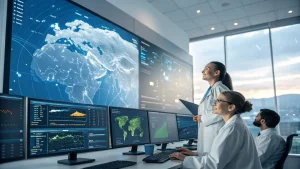
To mitigate these threats, aerospace organizations can embed AI into their cybersecurity planning and processes. A comprehensive AI-driven protection plan involves three key components. First, automated threat detection and response, where AI identifies trends and generates alerts, making threat detection faster and more accurate.
AI enhancing aerospace cybersecurity measures
Second, incident response, with AI rapidly scanning logs, creating event timelines, and providing context for human decision-makers. Third, analytics and anomaly detection, where AI analyzes behavior patterns to prevent attacks before they fully develop.
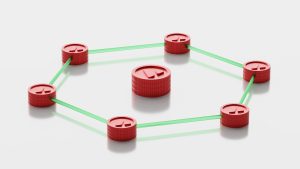
The principle of zero trust, which follows the mantra of “Never Trust, Always Verify,” is gaining traction in the aerospace sector. By applying AI and machine learning to the zero-trust model, companies can benefit from adaptive controls that detect unauthorized access attempts to sensitive data. AI also provides real-time monitoring of flight control systems, enabling nearly instantaneous detection and automated response actions.
However, cybercriminals are continuously refining their strategies using the same AI-led technology used in defense. Autonomous vehicles are particularly vulnerable, as attackers could target AI training models to take control. Regular fixes and updates are crucial to protecting the sector’s supply chains and critical infrastructure.
The key to securing the aerospace sector lies in continuous testing and multilayered cybersecurity strategies. By combining AI-driven solutions with rigorous testing, the industry can usher in a new era characterized by innovation, sustainability, and robust cybersecurity.

Cameron is a highly regarded contributor in the rapidly evolving fields of artificial intelligence (AI) and machine learning. His articles delve into the theoretical underpinnings of AI, the practical applications of machine learning across industries, ethical considerations of autonomous systems, and the societal impacts of these disruptive technologies.