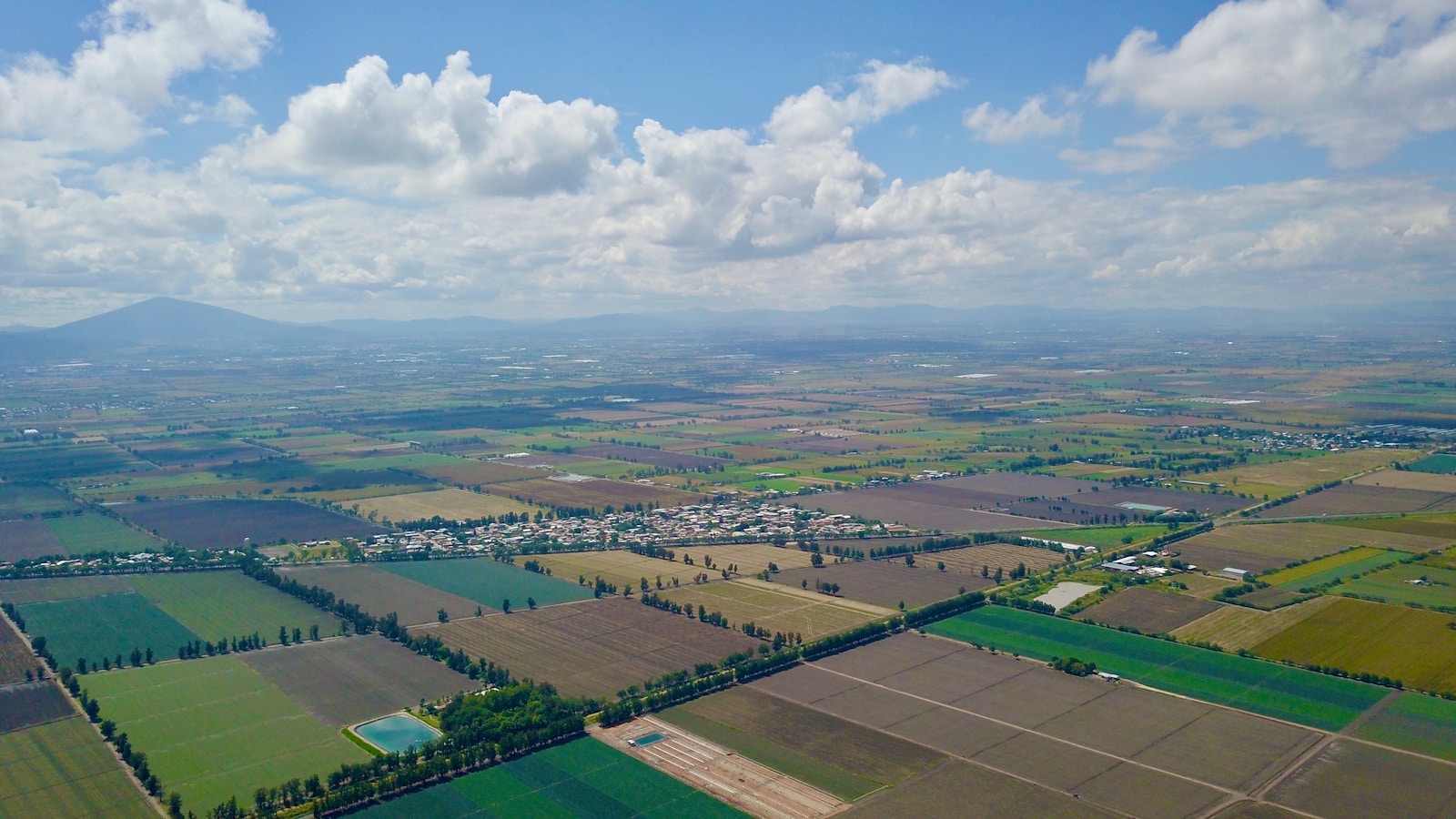
Emma Johnson carefully inspects the rows of apple trees at Buffalo Ridge Orchard in Central City, Iowa.
She and her husband had planted 1,500 new trees, anticipating a surge in demand from local schools and food banks. But those plans have been uprooted.
Front page of the Indianapolis star – impact of federal budget cuts on food and housing programs from @CarolineB_Indy @IAMJADEJACKSON @jordantsmith09 https://t.co/DlOdjvd7xL pic.twitter.com/jANJz6jH3b
— Robert Jimison (@RobertJimison) March 18, 2025
“When this program came through, it enabled us to expand our business, plant more trees, and know that there was a secure outlet to send our products,” Johnson said. Last year, she sold close to $100,000 worth of apples and produce through two USDA programs. However, in January 2025, the Trump administration abruptly canceled more than $11 million in promised funding for the Local Food Purchasing Assistance (LFPA) and Local Food for Schools (LFS) programs in Iowa.
The move has left small farms scrambling. “There’s no individual customer that’s going to take 50,000 pounds of apples,” Johnson explained. “We’ll have to work with 100 different customers, and we’re going to lose money.”
This hits farmers, school children and people struggling through the aftermath of the worst natural disaster in North Carolina history #ncpol https://t.co/k7dscCHIal
— Travis Fain (@TravisFain) March 20, 2025
The LFPA and LFS programs provided $7.8 million in local food purchases in Iowa over the past three years.
Sounds like this cut would ultimately be $1.5 billion if you include the schools. So 1.5% give or take of the defense budget. Smart. #ncpol https://t.co/7bNJmUDtpK
— Travis Fain (@TravisFain) March 19, 2025
The USDA paid farmers fair prices for fruits, vegetables, dairy, and meat, which were then distributed to institutions such as schools, childcare centers, and food banks.
Iowa farmers face sudden funding loss
Anna Pesek, co-owner of Over the Moon Farm in Delaware County, said 10 to 20 percent of her revenue came from the two programs.
“It’s not everything, but it is sizable,” Pesek said. She pointed out that small farms often operate on razor-thin margins and cannot afford abrupt disruptions. “The time that could go to focusing on producing more local food will now go to thinking about how to access new markets and re-shift our business when we have spent the last three years building these supply chains,” Pesek said.
The loss of funding has broader implications for rural economies and food access. “The loss is actually greater than my individual farm and what I’m losing this season,” Johnson lamented. “The loss is all that infrastructure that was built quickly in 2025—just stripped away.”
Food hubs are questioning whether they can remain in operation, while pantries and schools that once relied on Iowa-grown produce may turn to out-of-state or processed foods.
Pesek, Johnson, and dozens of other farmers sent a letter this week to U.S. Agriculture Secretary Brooke Rollins, urging a return of the funding. With thousands of dollars in produce and livestock already in the pipeline, they say they won’t find a market to sell their goods. “We had a really well-oiled machine,” Pesek said.
“Ending the program is a lose-lose.”
Image Credits: Photo by Ramy Loaiza on Unsplash

Noah Nguyen is a multi-talented developer who brings a unique perspective to his craft. Initially a creative writing professor, he turned to Dev work for the ability to work remotely. He now lives in Seattle, spending time hiking and drinking craft beer with his fiancee.