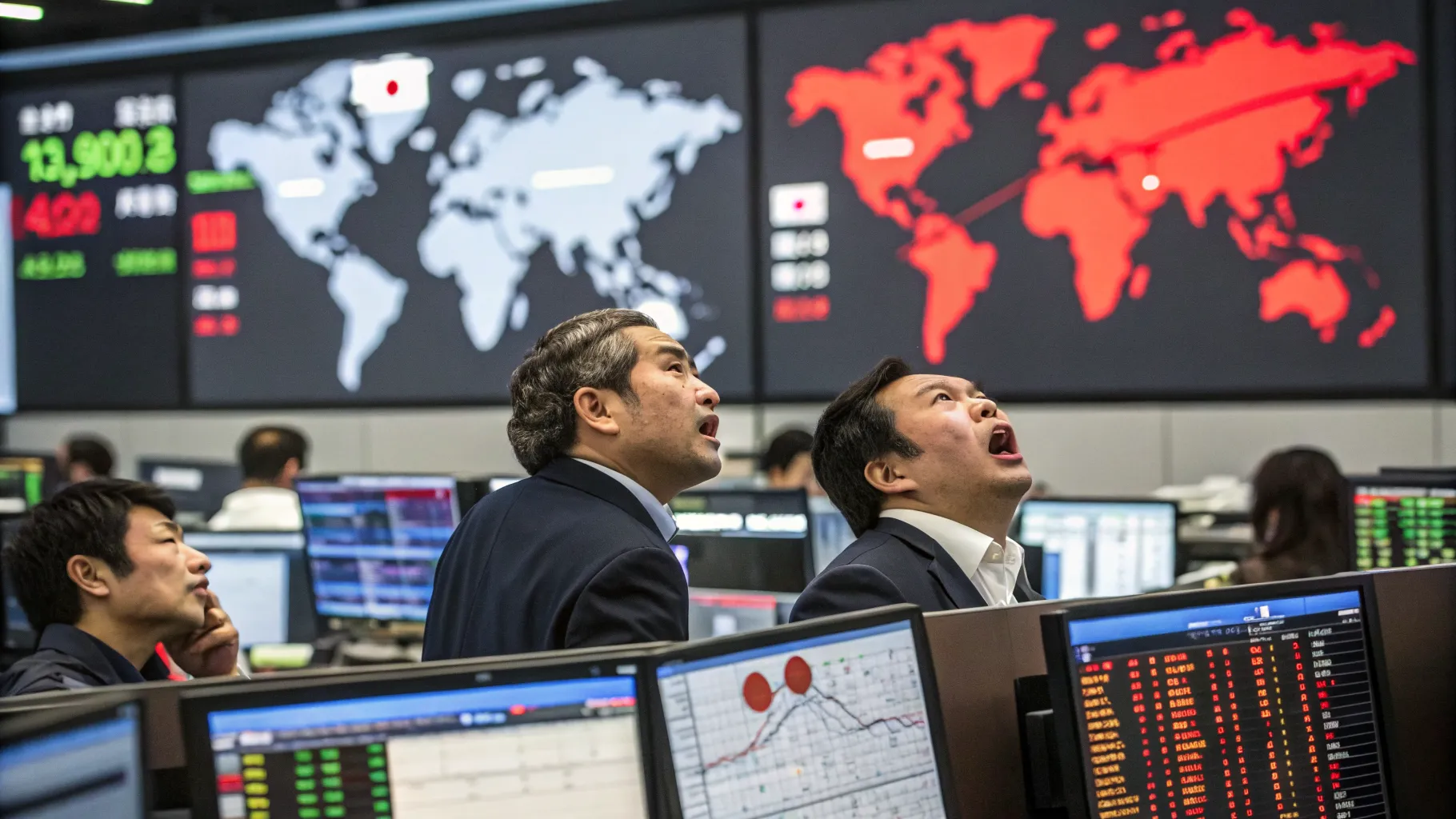
Fresh fighting in Iran has shaken investors, pushing oil prices higher and knocking stocks and bonds lower across major markets. Traders reacted to the news with swift repositioning on Monday, citing fears of supply disruptions and rising inflation risks. The jolt rippled through energy, equities, and debt as investors assessed how long the turmoil could last and how deep the shock might run.
The move highlights the sensitivity of global markets to Middle East tensions. Energy supply routes sit close to flashpoints, and any threat to shipments can feed through to consumer prices and central bank paths. While details remain fluid, the initial reaction points to caution, especially among funds with large exposure to energy-intensive sectors.
Energy Shock Reignites Inflation Concerns
Oil often jumps when conflict threatens key shipping lanes. The Strait of Hormuz, near Iran, carries a large share of the world’s seaborne crude. Any perceived risk there can firm prices fast, as refiners and traders race to secure supply.
“The war in Iran has jolted financial markets, sending oil prices surging and stocks and bonds falling.”
Higher oil feeds into transport, manufacturing, and food costs. That raises the chance of stickier inflation. Central banks had been preparing for rate cuts in some regions, but a fresh energy spike could complicate those plans. Policy makers may wait for clearer signals on how sustained the price jump will be before changing course.
Stocks And Bonds Slide In Tandem
The selloff in equities hit sectors most exposed to fuel costs first, including airlines and logistics. Energy producers often rise on days like this, but the broader market reaction tilted negative as investors weighed profit margins and consumer demand.
Bonds also fell, sending yields higher. That move reflects worries that inflation could linger, which erodes the value of fixed coupon payments. It is a departure from the typical flight to safety seen in other geopolitical shocks, when government bonds often rally. This time, inflation fear may be overpowering the safety bid.
- Equities declined as investors priced in higher input costs.
- Government bond yields rose on renewed inflation risk.
- Energy shares showed relative strength versus the broader market.
Historical Parallels And Key Differences
Past Middle East crises moved markets in similar ways. During the Gulf War and other flashpoints, oil spiked as traders modeled possible supply losses. Yet outcomes varied with the speed of diplomatic efforts, spare production capacity elsewhere, and how long shipping faced disruption.
Today’s market structure adds new layers. Algorithmic trading can amplify intraday swings. Hedging tools are more widely used, which can either cushion or magnify moves depending on positioning. Central banks also have larger balance sheets than in earlier periods, giving them tools to stabilize funding markets if stress spreads.
What Investors Are Watching Next
Market participants are tracking several signals to gauge the path ahead. Energy firms’ guidance on shipments, storage, and refining runs could shape expectations. Shipping insurers and freight rates offer a real-time view of stress along critical routes. Central bank commentary will indicate how policy makers balance inflation risks against the need to support growth.
Currency and commodity flows are also in focus. In periods of geopolitical stress, some investors shift toward gold and the U.S. dollar. If energy prices keep rising, that pattern could strengthen as funds seek perceived safety and liquidity.
Potential Scenarios And Spillovers
Three broad paths are on the table. A quick easing of tensions could let oil retreat and lift risk assets. A drawn-out standoff might keep prices elevated and pressure earnings. A wider supply shock would raise the odds of slower growth and stickier inflation, forcing a tougher policy response.
Corporate executives may delay capital spending until price signals steady. Households could face higher fuel and food bills, which would weigh on discretionary purchases. Emerging markets that import energy might see weaker currencies and tighter financial conditions.
The next days will be critical. Clarity on shipping, production, and diplomatic efforts will determine whether the market shock fades or hardens into a new trend. For now, the message is simple: energy risk is back at the center of global finance, and investors are recalibrating fast.

Senior Software Engineer with a passion for building practical, user-centric applications. He specializes in full-stack development with a strong focus on crafting elegant, performant interfaces and scalable backend solutions. With experience leading teams and delivering robust, end-to-end products, he thrives on solving complex problems through clean and efficient code.