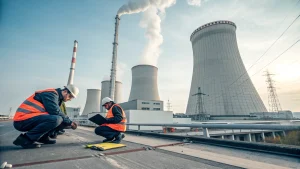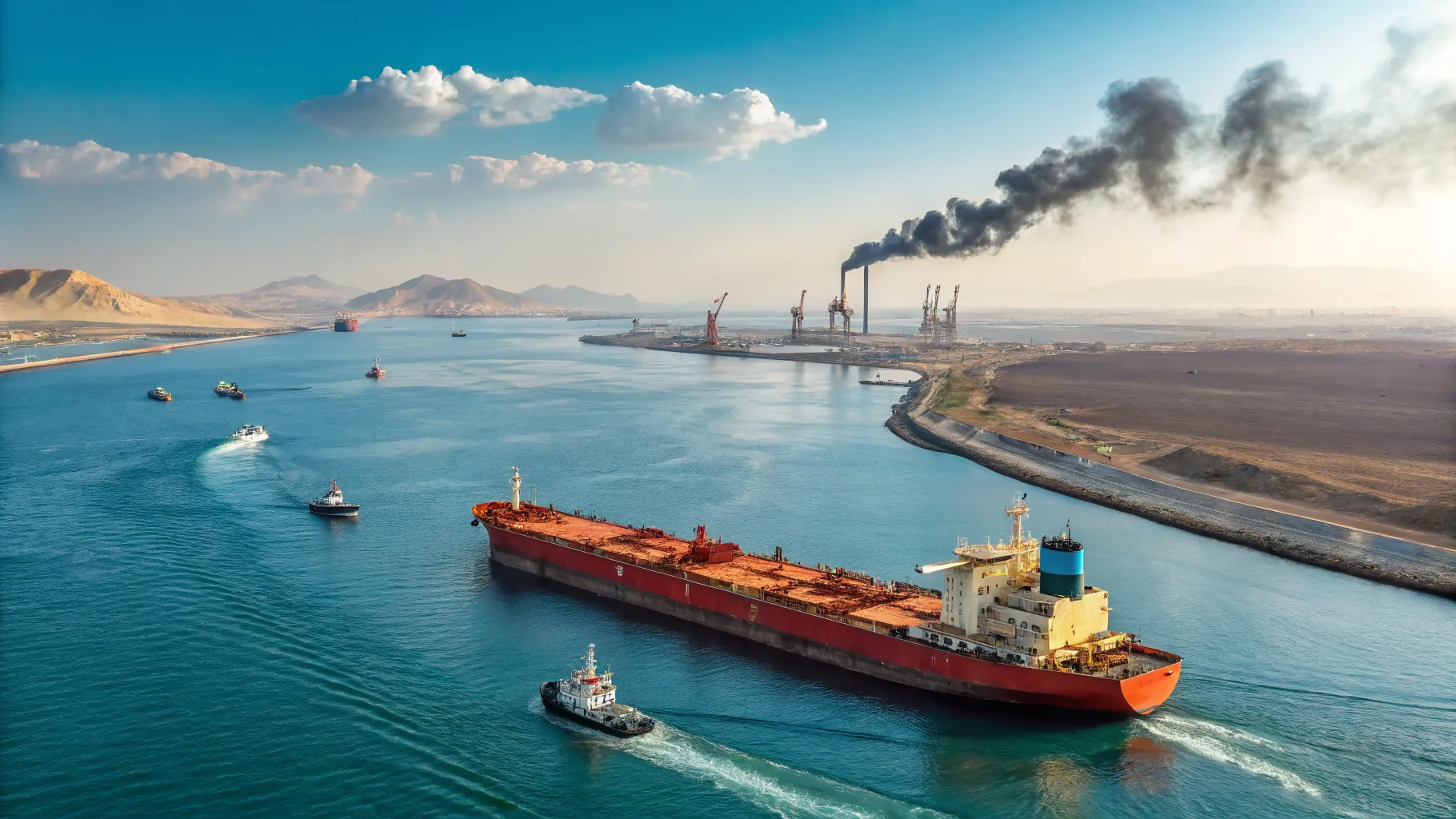
One month into fighting in Iran, alarm over a tight crude market is spreading to store shelves and factory floors. Traders, officials, and businesses warn that a supply squeeze could spill into daily life around the world if transport routes stay at risk and producers struggle to keep barrels flowing. The stakes are high because key shipping lanes near Iran carry a large share of global oil.
“One month into the war in Iran, a growing shortage of crude oil is threatening to morph into something worse: a shortage of nearly everything.”
Energy markets are signaling stress. Prices have swung, insurance costs for tankers are up, and buyers are scrambling for alternatives. Governments are weighing emergency steps, including the release of strategic reserves, while manufacturers prepare for higher input costs.
Why Oil Disruptions Hit Almost Everything
Oil fuels transport, powers industry, and feeds chemical supply chains. When crude becomes scarce or costly, the effect spreads fast through freight, farming, retail, and construction. Shipping firms pass on higher bunker fuel costs. Trucking rates rise. Airlines add surcharges. Food prices edge up as fertilizer and diesel get pricier.
Iran sits near the Strait of Hormuz, a narrow waterway that handles about a fifth of the world’s oil trade. Any risk to traffic there can tighten supplies far from the Gulf. Even if flows continue, higher insurance premiums and detours can choke capacity and delay deliveries.
Echoes of Past Shocks
History offers guidance. The 1973 oil embargo triggered rationing and long lines. The 1979 Iranian Revolution rattled markets and pushed inflation higher. The 1990 Gulf crisis drove prices up sharply before stabilizing as other producers stepped in.
Today’s market is different but sensitive. Many countries hold larger emergency stocks and use more fuel-efficient vehicles. Yet global demand is higher than in past decades, and supply chains run lean. Small disruptions can have outsized effects when inventories are thin.
Industry Impact and Consumer Strain
Higher crude costs feed into goods and services within weeks. Companies with fixed-price contracts face margin pressure. Those with flexible pricing may pass costs to customers, adding to inflation risk.
- Manufacturing: Plastics, resins, and solvents face cost increases from pricier feedstocks.
- Transport: Aviation and shipping surcharges raise the cost of global trade.
- Food: Fertilizer and fuel push farm and logistics expenses higher.
- Retail: Inventory replenishment slows if freight rates and delays rise.
Central banks watch energy costs closely. If fuel prices climb and stay high, inflation can re-accelerate. That complicates interest rate plans and weighs on growth. Lower-income households feel the strain first, as fuel and food take a larger share of their budgets.
Buffers: Strategic Stocks and Spare Capacity
There are safeguards. Members of the International Energy Agency hold emergency oil stocks equal to roughly 90 days of net imports. Coordinated releases can bridge shortfalls and calm markets. Some producers maintain spare capacity that can be brought online, though timing and volumes vary.
Refiners can shift crude slates and import from different regions, but changes take time and may not fully offset lost barrels. Shipping routes can be adjusted, yet detours lengthen journeys and tie up tonnage, reducing effective supply.
What to Watch Next
Key signposts in the coming weeks include tanker traffic through the Strait of Hormuz, announcements on strategic reserve releases, and guidance from major producers on output. Freight and insurance rates offer early clues to trade friction. Purchasing managers’ indexes can flag pressure on factories.
Businesses are building contingency plans. Some are hedging fuel, revising shipping contracts, and reviewing safety stocks for critical inputs. Others are seeking local suppliers to cut transport risk.
Outlook and Risks
If flows stabilize and reserves are used, markets could cool. If disruptions persist or spread, pressure may intensify and broaden. The shift would move from an oil shortage to wider scarcity as transport and industrial costs climb.
The next month will be decisive. Clear shipping lanes, transparent policy steps, and signals on spare capacity could steady prices. Absent that, households and firms should prepare for higher costs and longer lead times.
For now, the warning stands: a tight oil market can ripple through the economy fast. Monitoring chokepoints, keeping supply lines open, and deploying emergency tools early may keep a crude crunch from becoming something larger.

Senior Software Engineer with a passion for building practical, user-centric applications. He specializes in full-stack development with a strong focus on crafting elegant, performant interfaces and scalable backend solutions. With experience leading teams and delivering robust, end-to-end products, he thrives on solving complex problems through clean and efficient code.