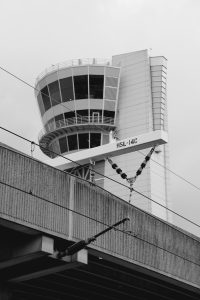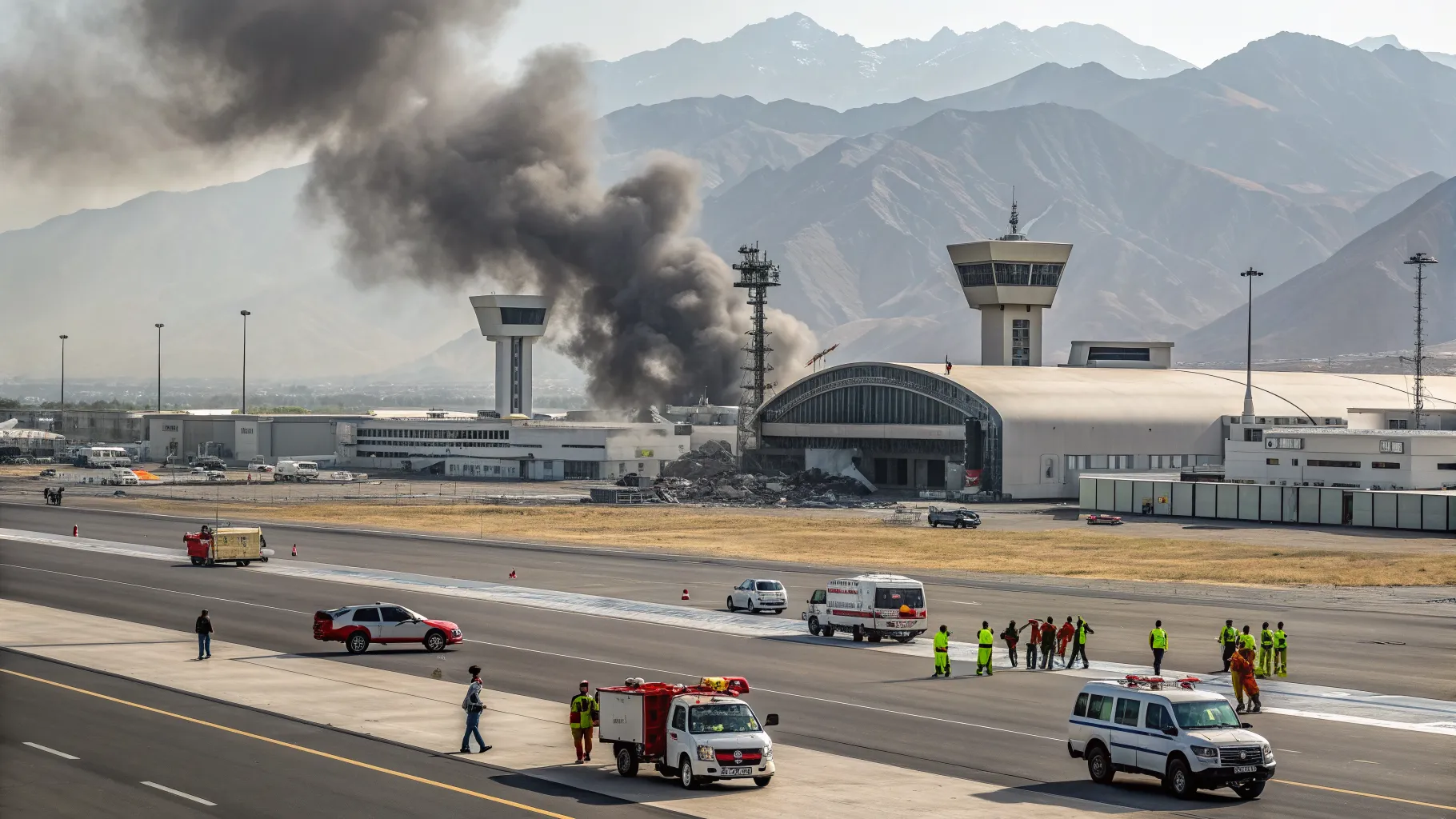
An Iranian drone struck Nakhchivan Airport in Azerbaijan, injuring at least two people and prompting sharp condemnation from Baku. The strike hit the isolated Azerbaijani exclave on the border with Iran, raising concern over a wider flare-up in the South Caucasus.
Azerbaijan’s foreign ministry said the incident injured civilians and vowed a response if needed. The government framed the attack as a violation of its sovereignty. Regional allies and neighbors are now watching for signs of escalation.
What Happened and Why It Matters
The incident took place in Nakhchivan, a landlocked exclave of Azerbaijan that borders Iran, Armenia, and Turkey. The area is strategically sensitive because it connects to Turkey and sits near key transit routes. Any strike there risks drawing in regional players.
Footage from the scene showed the moment of impact at the airport. The Azeri foreign ministry reported at least two people were injured. It said Azerbaijan holds Iran responsible for the strike.
Azeri Foreign Ministry: “Azerbaijan condemned the attack, saying it reserves the right to retaliate.”
The statement signals that Baku may consider military or diplomatic steps. Officials did not specify a timeline for potential action. There was no immediate detailed comment from Tehran at the time of the report.
Long-Running Friction on the Border
Ties between Iran and Azerbaijan have been strained in recent years. Both countries share a long border and have traded warnings over security, transit, and alliances. Nakhchivan, cut off from mainland Azerbaijan by Armenian territory, has added pressure points as new transport links are discussed.
Iran has objected to plans it fears could change cross-border routes or reduce its role in the region. Azerbaijan, backed by Turkey, has pursued closer security and trade cooperation to connect Nakhchivan with the rest of the country.
Military activity on both sides of the border has increased at times. Drills and statements from officials have fueled concerns about miscalculation. The airport strike brings those concerns into sharp focus.
Injuries, Infrastructure, and Risk of Escalation
Initial reports said at least two people were hurt at the airport. Any damage to the airfield could disrupt flights and aid deliveries to the exclave. The exact scale of the impact was not immediately clear.
Analysts warn that attacks on civilian or dual-use infrastructure can trigger fast-moving cycles of response. Airports are critical nodes in the region’s fragile transport network. A strike there can have outsize political and humanitarian effects.
- Sovereignty: Baku frames the incident as a cross-border attack on its territory.
- Deterrence: The “right to retaliate” suggests Azerbaijan is weighing next steps.
- Regional ties: Any response could involve coordination with Turkey.
Drones and Shifting Security Calculus
The reported use of a drone reflects changing tactics in the South Caucasus. Unmanned systems lower the cost and risk of strikes while complicating attribution and defense. They can target radar sites, vehicles, or infrastructure with short warning times.
Countries in the area have invested in air defenses, electronic warfare, and counter-drone tools. Yet gaps remain, especially around smaller facilities. The airport strike will likely prompt a review of protections in Nakhchivan and other sensitive sites.
International Law and Possible Responses
Cross-border strikes raise legal issues under the UN Charter, which protects state sovereignty. A state that suffers an armed attack can claim the right of self-defense if the threat persists. Diplomats often push for de-escalation to prevent broader conflict.
Azerbaijan’s pledge to keep its options open sets a tense tone. Options include targeted defense measures, diplomatic protests, sanctions calls, or military action. Each carries risks for civilians and supply lines in a region with limited redundancy.
What to Watch Next
Key signals will come from statements in Baku and Tehran, and from Turkey’s response. Observers will track any troop movements near the border, air defense alerts, or disruptions to flights in and out of Nakhchivan.
Further independent verification of the strike, the type of drone used, and the extent of the damage will shape the regional and international response. Calls for restraint may grow if there are more attacks on infrastructure or civilian injuries rise.
The airport strike has moved a simmering dispute into a more dangerous phase. Azerbaijan has set a marker with its warning of a possible reply. The next days will show whether this incident leads to a limited exchange or a broader cycle of confrontation. For now, the pressure is on both sides to prevent a wider crisis in the South Caucasus.

Kirstie a technology news reporter at DevX. She reports on emerging technologies and startups waiting to skyrocket.