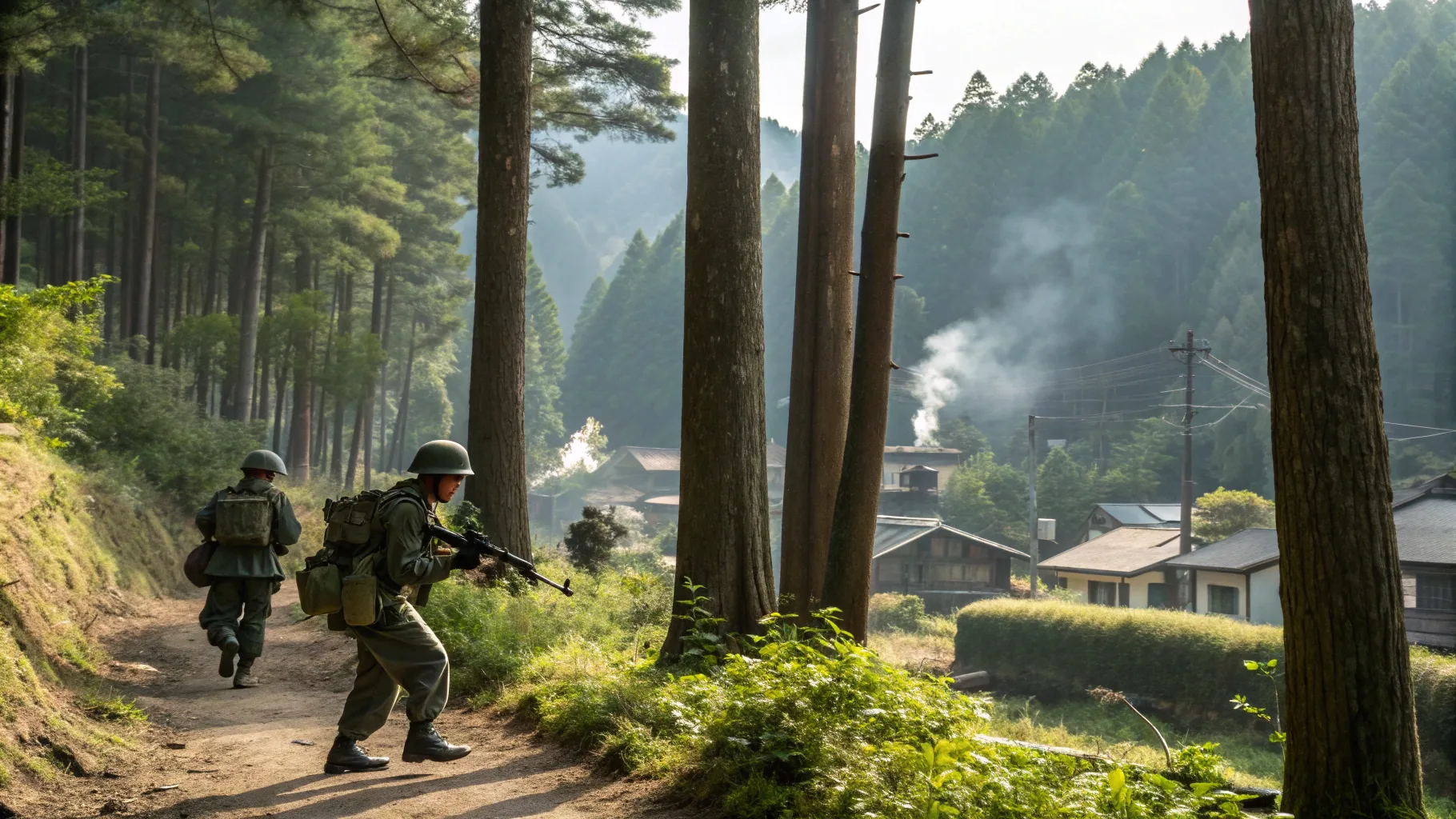
Japan has sent troops to the northern prefecture of Akita after a surge of bear attacks rattled towns and villages. Local officials requested support this week as police and hunting teams struggled to keep up with a spike in sightings and injuries. The deployments focus on neighborhoods near forests where residents say encounters have become a daily fear.
The Self-Defense Forces are assisting with patrols, search operations, and public safety measures. Authorities aim to quickly locate bears entering populated areas and to support evacuations or school route changes when needed. The move marks a rare use of military support in wildlife control, signaling the urgency facing communities in Akita.
Rising Encounters in Akita
Residents report bears roaming near schools, bus stops, and farms at dawn and dusk. Sightings have disrupted harvests and forced temporary closures of hiking trails. In some towns, residents have been told to travel in pairs and carry noisemakers.
Japan has deployed troops to help contain a surge of bear attacks that have terrorized residents in the northern prefecture of Akita.
Local leaders say emergency calls have climbed sharply since late summer. Police have set up road checkpoints around wooded edges and posted alerts in shopping streets, warning people to secure garbage and avoid solitary walks at night.
Background: A Record Year for Attacks
Japan has seen rising human-bear encounters in recent years, with national data showing record injuries last year. Wildlife officers link the trend to poor acorn and beech harvests in mountain habitats that push Asian black bears toward towns. An aging countryside and abandoned farmland have also created corridors between forests and homes.
Akita has faced deadly incidents before. In 2016, multiple fatal attacks in the prefecture prompted extensive trapping and patrols through the early summer. Since then, municipalities have issued seasonal advisories, but this year’s spike has outpaced past responses.
- Officials cite food shortages in forests as a key driver.
- Encounters often rise in autumn as bears fatten before winter.
- Many incidents occur near cropland and riverbanks at dawn and dusk.
How Authorities Are Responding
The new troop deployments are designed to supplement, not replace, local wildlife teams. Soldiers are using loudspeakers, vehicles, and night-vision equipment to help search for animals near homes and schools. They are also assisting with setting up barriers and lighting in high-risk zones.
Municipal offices have expanded alerts on neighborhood apps and outdoor sirens. Teachers and volunteers are walking students on group routes, while farmers are urged to install electric fencing and store feed indoors.
Conservation officers stress that the priority is to prevent contact. While lethal control remains a last resort, licensed hunting teams can be authorized if a bear poses an immediate danger or has attacked someone.
Debate Over Long-Term Solutions
Experts say this year’s surge reflects deeper shifts in land use and climate patterns. Warmer seasons can change the timing and yield of mast crops, drawing bears closer to farms and homes. Shrinking rural populations mean fewer people managing woodlands and fewer early warnings from fields and trails.
Animal welfare groups have urged improvements that reduce conflict without relying on culls. They call for mapping food sources, clearing brush near town edges, and stronger waste management. Some local leaders back compensation for fences, fruit netting, and secure storage, arguing it is cheaper than emergency responses.
Residents express mixed feelings. Many welcome the troop presence, saying it eases fear during commutes and harvests. Others worry it signals a new normal, where wildlife management depends on emergency measures rather than prevention.
What Comes Next for Akita
Officials plan to review the deployments after peak autumn activity. The focus will be on whether patrols reduced encounters, if school routes stayed open, and how fast response teams reached hotspots. Towns are also evaluating which deterrents—lighting, fencing, or noise—worked best.
Akita’s experience could shape policy for other northern prefectures facing similar risks. A coordinated approach—clear alerts, habitat management, and swift emergency support—may set the standard for the winter and the next fall season.
For now, residents are urged to travel in groups, carry bells or whistles, secure garbage, and report sightings quickly. The troop deployment underscores the stakes: keeping people safe while guiding wildlife away from towns before warnings become tragedies.

A seasoned technology executive with a proven record of developing and executing innovative strategies to scale high-growth SaaS platforms and enterprise solutions. As a hands-on CTO and systems architect, he combines technical excellence with visionary leadership to drive organizational success.