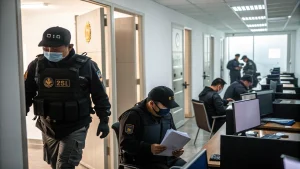
A federal judge refused Minnesota’s request to pause an immigration crackdown, even as the court noted evidence that the policy is disrupting daily life across the state. The decision, issued this week, leaves enforcement efforts in place and sets up a likely appeal as state officials weigh their next steps.
The ruling centers on Minnesota’s attempt to secure temporary relief while its broader legal challenge moves forward. State leaders argued the policy is causing immediate harm to residents, local governments, and businesses. The judge, however, concluded the legal standards for emergency relief were not met.
“A federal judge denied Minnesota’s bid to temporarily block the immigration crackdown, while acknowledging evidence of widespread disruption to daily life across the state.”
Why the Request Was Denied
Courts grant temporary blocks only when a challenger shows a strong chance of success on the merits, a risk of irreparable harm, and that the public interest favors relief. Legal analysts say the bar is high, especially in cases touching federal authority over immigration.
By denying the request, the court signaled that Minnesota had not shown enough to justify emergency intervention. The decision does not resolve the underlying legal questions. Instead, it keeps the policy in place while litigation continues.
The court’s recognition of disruption suggests the judge took the record seriously but ultimately concluded that current law, precedent, and the balance of harms did not support a temporary block.
What the Court Acknowledged
The judge’s acknowledgment of widespread disruption is significant. It reflects testimony and documentation that enforcement changes are affecting schools, clinics, workplaces, and family routines. Though the court did not halt the policy, this finding may weigh on later stages of the case.
- State agencies report strain on services and planning.
- Local officials describe uncertainty for workers and families.
- Community groups highlight fear and reduced access to routine services.
Such impacts are often central to requests for emergency relief. Here, the court appears to have balanced those harms against the government’s interest in implementing its policy as designed.
Reactions and Next Steps
Minnesota officials are expected to consider an appeal to the Eighth Circuit. They can also seek a narrower order or return to the district court with additional evidence. The federal government will likely argue that enforcement consistency and national policy coherence outweigh the asserted harms.
Immigrant advocates say residents need clear guidance and access to services without fear. Business groups warn that workforce disruptions could spread if uncertainty continues. Local governments, which often bear the front-line costs of rapid policy shifts, have urged coordination and clear timelines.
Legal and Policy Context
States have repeatedly challenged federal immigration actions under both Democratic and Republican administrations. Courts often face a trade-off: addressing immediate harms versus preserving executive discretion in immigration matters. Temporary blocks are rare unless the record shows legal defects or sweeping, unmitigated harm.
In parallel cases, courts have scrutinized how policies are implemented, whether agencies followed proper procedures, and whether claimed harms are supported by credible data. Today’s ruling fits a pattern in which judges hesitate to halt enforcement absent clear legal error.
What It Means for Minnesotans
For now, enforcement will continue while the lawsuit proceeds. Residents, employers, and service providers will likely see ongoing uncertainty. Schools and clinics may adjust protocols to maintain access, while legal aid groups could face higher demand.
If Minnesota appeals, the appellate court could affirm, reverse, or modify the decision. The district court can also revisit the record as conditions change. Any final resolution could take months, leaving interim policies to shape daily life in the meantime.
Data tracking and coordination will be key. Clear communication from state and local agencies may reduce confusion, while community organizations can help residents understand their rights and available resources.
The ruling sets the tone for a complex legal fight. It confirms that the policy’s effects are real, yet not sufficient—at least for now—to justify an emergency halt. The coming weeks will show whether new facts or legal arguments shift that balance on appeal or in future hearings.
The takeaway: enforcement remains active, disruption is documented, and the legal battle is far from over. Watch for an expedited appeal, updated guidance from agencies, and any move by the court to refine or narrow the issues as the case advances.

Deanna Ritchie is a managing editor at DevX. She has a degree in English Literature. She has written 2000+ articles on getting out of debt and mastering your finances. She has edited over 60,000 articles in her life. She has a passion for helping writers inspire others through their words. Deanna has also been an editor at Entrepreneur Magazine and ReadWrite.