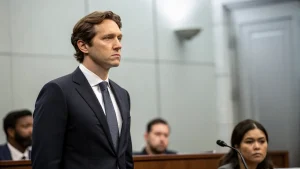
A state judge ordered Kalshi to stop offering sports and election contracts, escalating a widening fight over how prediction markets should be regulated and by whom. The decision, issued this week, applies within the state’s borders and takes effect at once, putting fresh pressure on a young sector that has straddled financial and gambling rules.
The order targets Kalshi’s markets tied to athletic events and political outcomes, areas that have drawn scrutiny from both state gaming officials and federal commodities regulators. The move adds urgency for platforms seeking clear rules ahead of a busy sports calendar and a national election cycle.
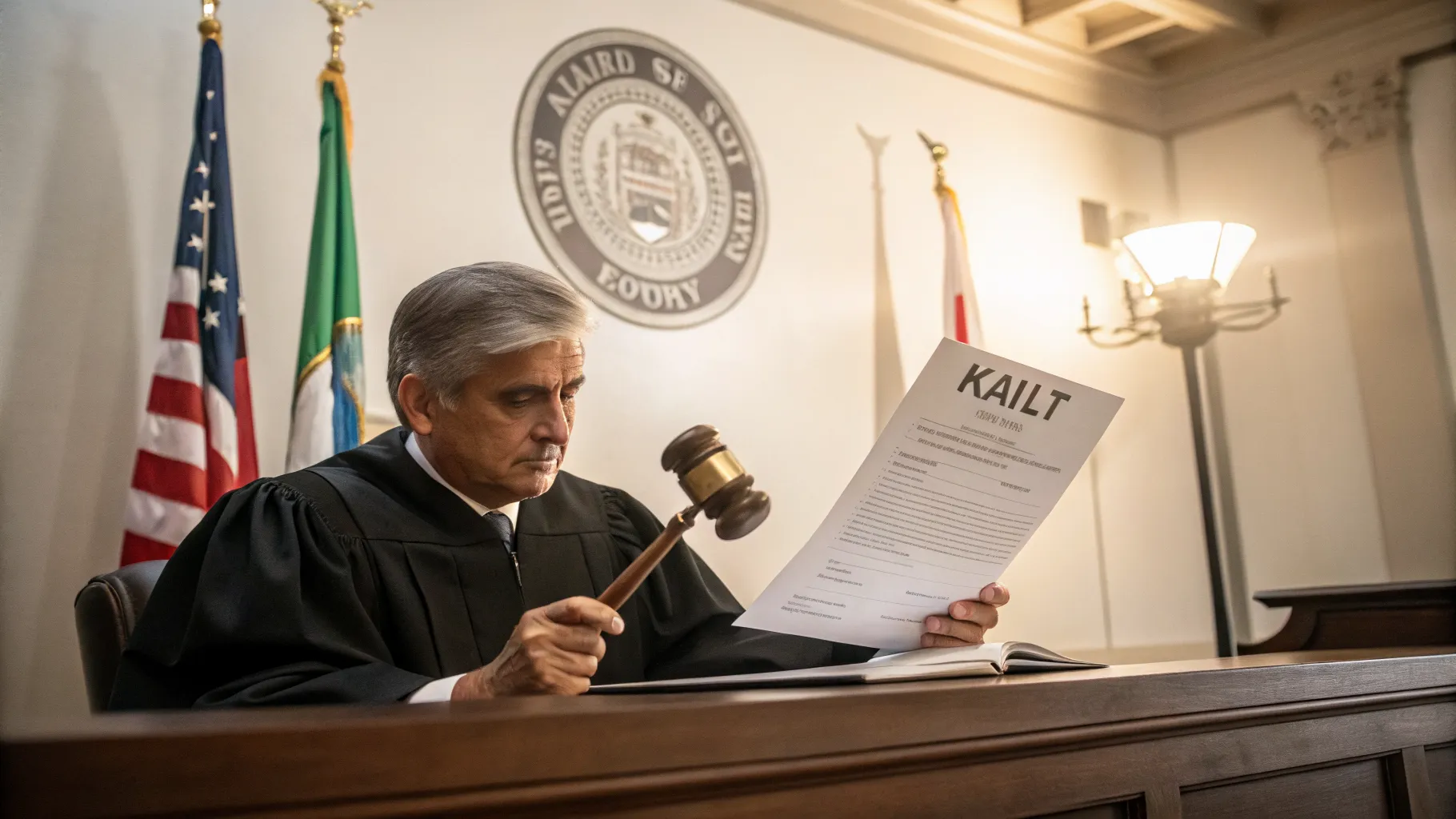
A judge ordered Kalshi to immediately halt sports and election contracts in the state, intensifying a growing regulatory battle over prediction markets.
Why the Decision Matters
Prediction markets allow traders to buy and sell contracts that pay out if an event occurs. Supporters say these markets can surface real-time probabilities on elections, policy outcomes, and cultural moments. Critics warn that such products can blur the line between investment and gambling, risking consumer harm or manipulation.
Sports-related contracts compete with traditional sportsbooks, which are licensed and taxed by states. Election-related contracts sit in a gray area. At the federal level, the Commodity Futures Trading Commission (CFTC) has long questioned whether wagering on political outcomes fits within commodity derivatives law. At the state level, many jurisdictions treat election betting as gambling and bar it outright.
Regulatory Crosscurrents
Kalshi operates as a federally regulated exchange for certain event contracts. But state authorities often claim jurisdiction when products resemble gambling or reach retail consumers inside their borders. The latest ruling shows how a single state can quickly reshape a platform’s offerings, even if federal oversight exists.
- More than 35 states and Washington, D.C., allow sports betting in some form after a 2018 Supreme Court decision.
- Many of those same states prohibit betting on elections or restrict it to academic research markets.
- The CFTC has scrutinized political event contracts for years and has moved to limit or bar them at times.
Similar clashes have surfaced before. Earlier platforms faced suspensions or partial shutdowns after disputes with regulators. Each episode highlights a patchwork of rules, where the same product can be legal in one jurisdiction and banned in another.
What Each Side Is Arguing
State regulators argue that sports outcomes belong in the sportsbook system, with age checks, tax reporting, and problem-gambling tools. They also say election contracts could distort civic processes or raise fairness concerns. In their view, if a product looks like a bet to the average consumer, it should be handled under gambling law.
Kalshi and market advocates counter that event contracts can provide valuable information, improve forecasting, and help people hedge real-world risks. They stress that a registered exchange can apply surveillance, limits, and disclosures that mirror financial markets. They also point to research showing that markets often predict outcomes better than polls.
Consumer groups are split. Some call for bright-line bans on political wagering. Others favor strict controls, including position limits, identity checks, educational prompts, and caps on retail losses.
Potential Impact on Traders and the Industry
The immediate halt means customers in the state will likely see certain markets closed or suspended. Open positions could be unwound under exchange rules, which often set procedures for early settlement. Traders may shift to jurisdictions where offerings remain available, or move to traditional sportsbooks for sports-only exposure.
For the industry, the ruling signals tighter scrutiny ahead of major political events. Platforms may narrow their product lines, ring-fence state access, or seek advisory opinions before listing controversial contracts. Venture funding could slow if legal risks rise, while established gaming operators may push to keep election markets off-limits.
What Comes Next
Kalshi can appeal or seek a stay, but such relief is never guaranteed. Further hearings could refine which contracts are affected and how consumer funds are handled. Other states may watch the case and consider their own actions, especially if election-related markets expand.
Two paths are emerging. One is tighter state control that treats most event contracts as gambling unless clearly financial. The other is a federal framework that permits certain contracts with strict guardrails. Until those lines are drawn, platforms face legal whiplash and users face sudden market closures.
The ruling closes a chapter for now but not the broader debate. Clear, consistent rules—on what can be listed, who can trade, and how risks are limited—will shape whether prediction markets grow into a mainstream tool or remain a niche product bounded by court orders and state lines.

Kirstie a technology news reporter at DevX. She reports on emerging technologies and startups waiting to skyrocket.