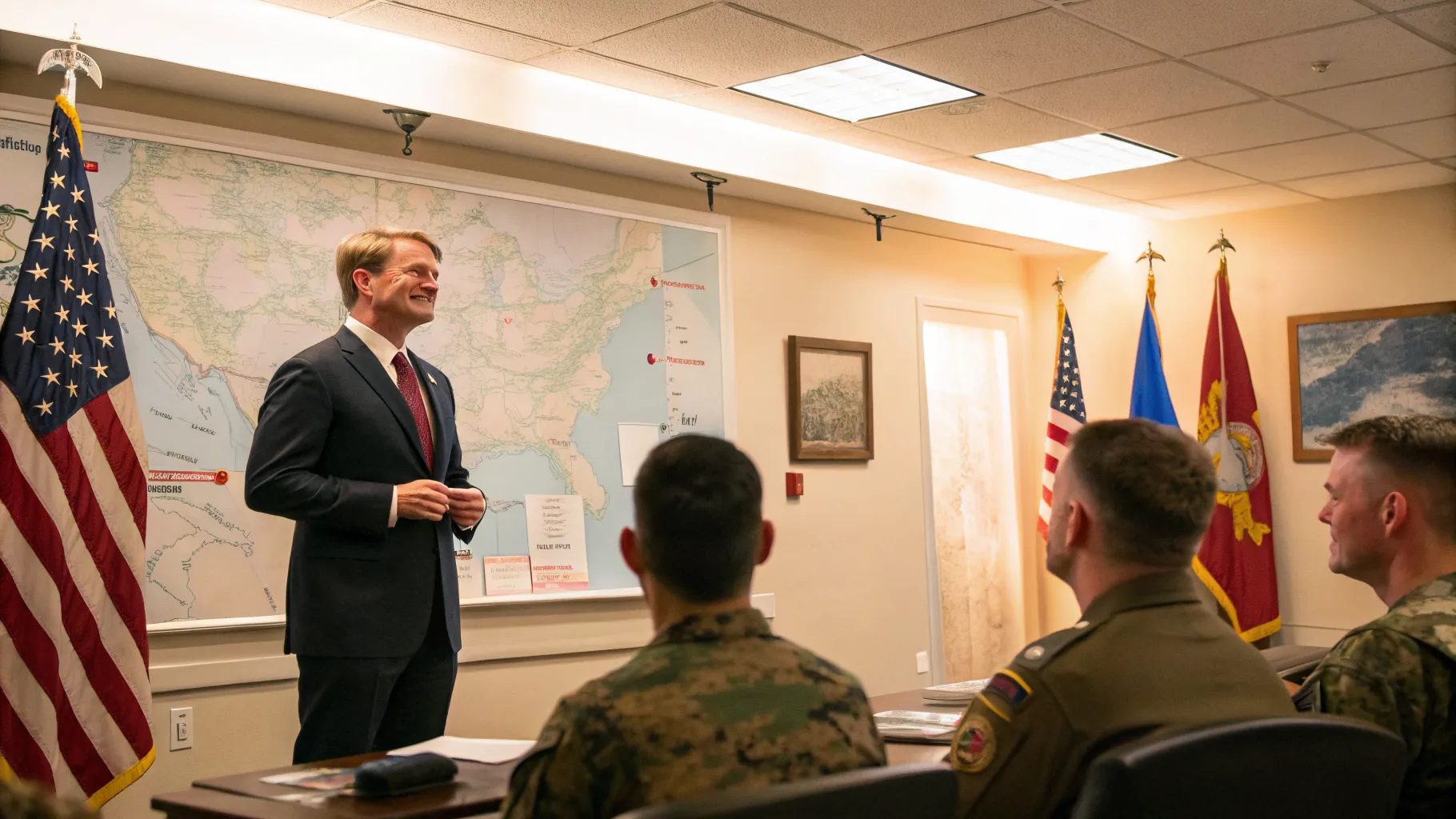
Sen. James Lankford said Sunday that the United States has “won or is winning” the war with Iran, while urging fresh steps to lock in gains and deter future threats. Speaking on Meet the Press, the Oklahoma Republican left open the option of sending U.S. troops into the region, arguing, “we’ve got to be able to finish this.”
His comments land at a tense moment for U.S. policy in the Middle East. Washington has leaned on sanctions, military strikes against proxy groups, and regional diplomacy to blunt Tehran’s reach. Lankford’s remarks suggest some lawmakers want a firmer posture, even as the risk of a wider fight looms.
How We Got Here
The United States and Iran have traded pressure for decades. The 1979 revolution set the stage for years of sanctions and periodic confrontations. The 2015 nuclear deal slowed uranium work for a time, but the U.S. withdrawal from the pact in 2018 sparked a new cycle of escalation.
In recent years, Iran has supported armed groups in Iraq, Syria, Lebanon, and Yemen. Those groups have targeted U.S. forces and partners. The United States has responded with strikes, maritime patrols, and tighter sanctions. The back-and-forth has raised fears of miscalculation.
Lankford’s Case for More Action
“Won or is winning” the war with Iran.
“We’ve got to be able to finish this.”
Lankford praised U.S. efforts to degrade Iran’s network and limit its reach. But he argued that success is not secure. He would not rule out sending “boots on the ground” if needed. He suggested that a clear path to finishing the job would reduce long-term risk to U.S. troops and allies.
Supporters of a harder line claim Tehran responds only to strength. They point to recent strikes on proxy targets as proof that pressure works. They also argue that a sharper response now could avoid a costlier conflict later.
Risks of Escalation and Costs
Critics warn that talk of ground troops carries heavy risks. Any direct fight could draw in regional powers and ignite broader conflict. It could also strain U.S. forces that are already spread across multiple missions.
Military planners would weigh legal grounds, defined objectives, and exit strategies. Analysts stress that even limited deployments can grow. They also note that proxy networks are resilient and can adapt under pressure.
Humanitarian concerns are also front of mind. Civilian harm, displacement, and damage to vital infrastructure often rise when fighting expands. Those effects can outlast any operation.
What Tools Are on the Table
Washington has relied on a mix of tactics that fall short of full-scale war. Lankford’s remarks suggest a debate over how far to go and how to measure success.
- Tighter sanctions on Iran’s energy and finance sectors.
- Targeted strikes on proxy facilities and weapons flows.
- Maritime security patrols to protect shipping lanes.
- Cyber operations to disrupt networks and command.
- Regional diplomacy to reduce tensions and share burdens.
Each step has trade-offs. Sanctions can squeeze revenue but also hit civilians. Strikes can deter but risk retaliation. Diplomacy can lower the temperature but often moves slowly.
Signals to Allies and Adversaries
Partners in the Gulf want strong U.S. backing but fear uncontrolled escalation. Israel focuses on Iran’s proxies and missile programs. European allies often push for talks to cap nuclear advances and curb regional fires at the same time.
Tehran watches for signs of division. It has used negotiations, pressure, and indirect talks to shape outcomes. Analysts say unity among U.S. partners—and clarity on goals—can help deny Iran room to maneuver.
Measuring “Winning”
Lankford’s claim raises a core question: what does winning look like? Fewer attacks on U.S. forces, stable shipping, and trimmed revenue for armed groups are common benchmarks. Another measure is whether Iran agrees to limits on nuclear work and missile development.
Without clear metrics, progress is hard to judge. A public definition could align military steps with diplomatic goals and reduce the chance of mission creep.
Lankford’s call for added pressure highlights a growing debate in Washington. The United States may have hurt Iran’s reach, but the job is unfinished and fragile. Clear objectives, realistic costs, and allied support will shape the next phase. Watch for signals on troop posture, renewed sanctions drives, and any talks that could set guardrails on nuclear and regional activity. The stakes, and the margin for error, remain high.

A seasoned technology executive with a proven record of developing and executing innovative strategies to scale high-growth SaaS platforms and enterprise solutions. As a hands-on CTO and systems architect, he combines technical excellence with visionary leadership to drive organizational success.