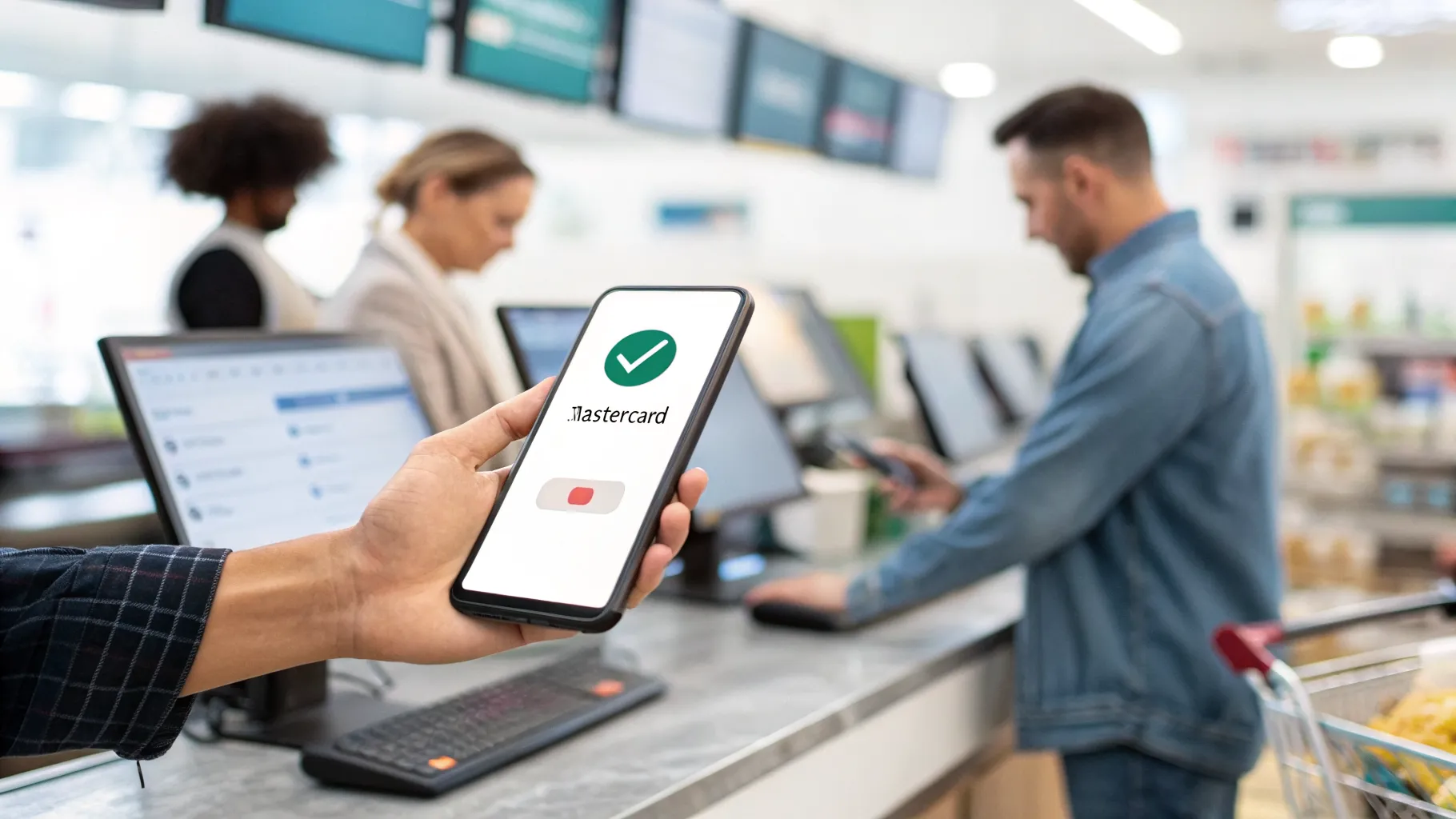
Mastercard is sharpening its fraud defenses with an artificial intelligence system that scores transaction risk and reads user behavior to flag possible abuse. The company says the dual approach is designed to help banks and merchants stop suspicious charges while keeping checkout fast for legitimate customers.
The move reflects a wider push across payments to curb card-not-present fraud, which has surged with online shopping. Card issuers and payment processors face rising costs from chargebacks, tighter regulatory scrutiny, and customer frustration when real purchases get blocked. Mastercard’s update signals how large networks are leaning on machine learning and behavioral biometrics to strike a better balance between security and convenience.
How the System Works
“Mastercard’s AI-powered fraud detection system uses risk-scoring and behavioral biometrics to help identify suspicious transactions.”
Risk-scoring models sift through signals such as merchant type, purchase size, device data, prior account activity, and time of day. The goal is to rate the chance that a charge is fraudulent in milliseconds. Behavioral biometrics adds a second check. It looks at how a person types, swipes, or moves a device to see if the pattern matches prior behavior.
Used together, these methods can reduce blunt declines that anger customers. Low-risk purchases can pass without extra steps. Higher-risk ones may trigger step-up checks, such as a one-time code, before approval or denial.
Why It Matters for Merchants and Banks
Fraud losses run into the tens of billions of dollars worldwide each year. Merchants also pay in other ways. False positives lead to lost sales, higher support costs, and churn. Issuers face customer complaints and card reissuance costs after breaches.
By improving precision, AI scoring can lower both confirmed fraud and unnecessary declines. That helps merchants keep more good orders and reduces write-offs for banks. It can also speed approvals for frequent, low-risk shoppers, which supports checkout conversion.
- Fewer false declines mean higher merchant revenue.
- Better detection reduces chargebacks and operational costs.
- Faster decisions improve customer experience.
Privacy and Security Questions
Behavioral signals can be sensitive. Consumers may worry about how movement, typing, or device patterns are collected and stored. Mastercard has not detailed the data retention period or whether partners can access raw signals. Privacy advocates often call for clear consent and strict limits on use.
Financial regulators in Europe and other markets require strong customer authentication for many online payments. Systems that layer AI scoring with behavioral checks can help meet those rules by adding security without many manual steps. But audits, explainability, and bias testing remain key. If a model leans on flawed proxies, it can overflag certain users or regions.
Industry Context and Competition
Payment networks, banks, and fintech firms are racing to refine machine learning models as fraud tactics shift. Criminals reuse leaked credentials, test small charges, and pivot to new merchants quickly. Static rules alone often fail. This has pushed providers to adopt adaptive models that learn from fresh data and share risk signals across partners.
Mastercard’s approach aligns with this trend. Rivals use similar techniques, combining consortium data, device intelligence, and pattern analysis. The difference often lies in scale, signal quality, and how smoothly tools integrate with issuers and merchant systems.
What To Watch Next
Key measures of success will include lower fraud rates, fewer false declines, and faster authorization times. Merchants will also watch for impacts on chargeback ratios, especially in sectors prone to abuse like digital goods, travel, and subscriptions.
Transparency could become a competitive edge. Clear notices on data use, opt-out options where possible, and published model governance practices may ease privacy concerns. Independent testing and regulatory reviews will shape adoption, especially in strict jurisdictions.
Mastercard’s push shows how payments players are leaning on AI to police risk at scale. If the system can cut fraud while approving more real purchases, it will win support from banks and merchants alike. The next phase will hinge on proof: measurable drops in losses, fewer checkout headaches, and strong privacy safeguards that earn lasting trust.

Deanna Ritchie is a managing editor at DevX. She has a degree in English Literature. She has written 2000+ articles on getting out of debt and mastering your finances. She has edited over 60,000 articles in her life. She has a passion for helping writers inspire others through their words. Deanna has also been an editor at Entrepreneur Magazine and ReadWrite.