Toy manufacturing giant Mattel has integrated OpenAI’s advanced AI video generation tool, Sora 2, into its product development workflow. According to OpenAI CEO Sam Altman, the toy company is utilizing OpenAI’s API to accelerate the development of new product concepts.
Altman stated that Mattel is using Sora 2 to “bring product ideas to life more quickly,” suggesting that the AI tool is helping the company visualize new toy concepts and designs at a faster pace than traditional methods allow. This implementation marks a significant step in how major consumer goods companies are adopting AI technologies for practical business applications.
AI-Powered Product Innovation
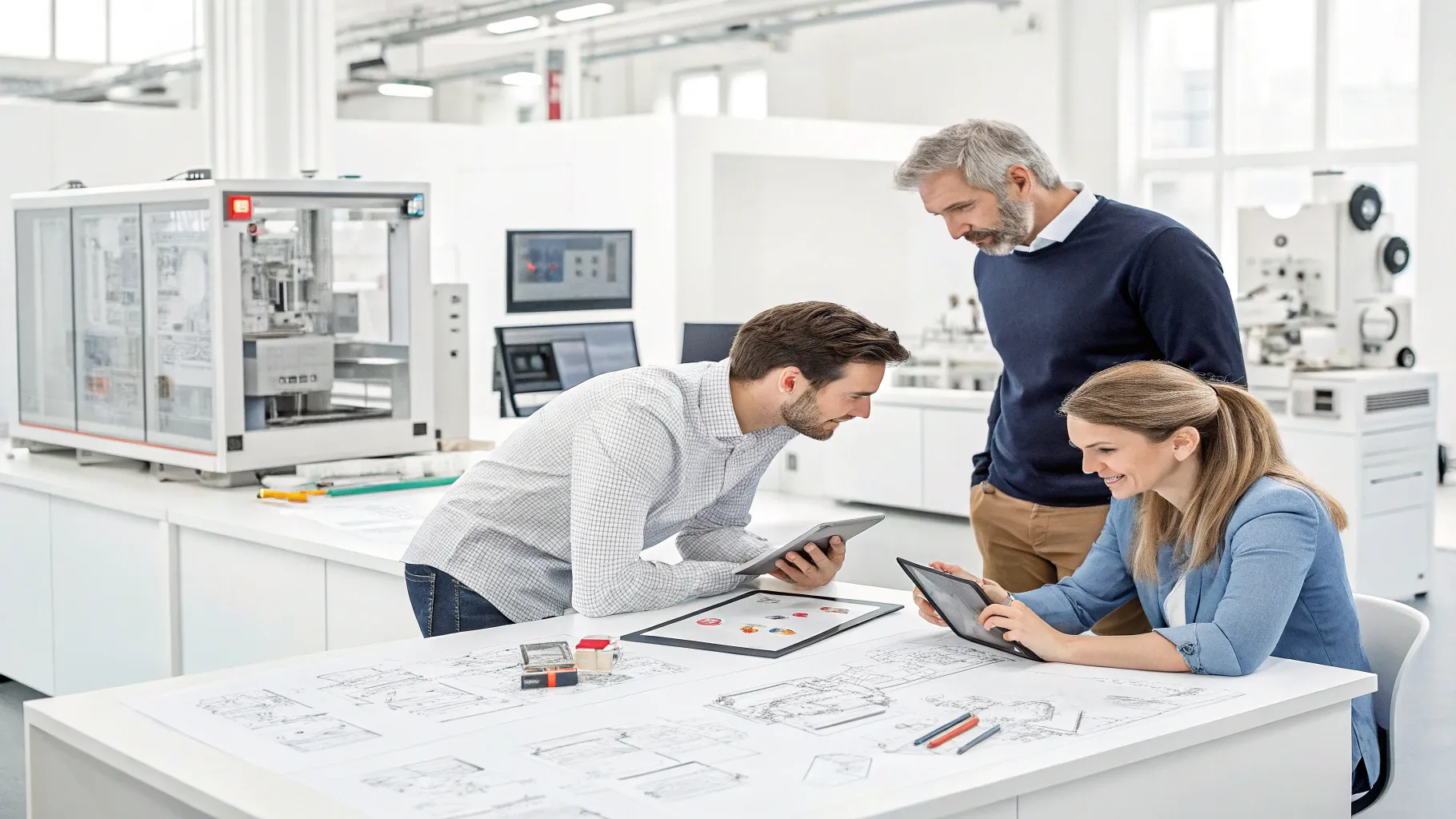
The adoption of Sora 2 by Mattel represents a growing trend of AI integration in product design and development across industries. For a toy company like Mattel, known for iconic brands such as Barbie, Hot Wheels, and Fisher-Price, the ability to quickly visualize concepts could provide a competitive advantage in the fast-moving toy market.
Sora 2, the latest iteration of OpenAI’s video generation technology, allows users to create realistic videos from text prompts. For product designers, this means the ability to see realistic renderings of concepts without the need for physical prototyping or extensive graphic design work in early stages.
Industry analysts suggest that this technology could significantly reduce the time between initial concept and market-ready products, potentially allowing Mattel to respond more quickly to emerging trends and consumer preferences.
Business Impact and Implementation
The integration of Sora 2 into Mattel’s workflow occurs through OpenAI’s API (Application Programming Interface), which allows companies to access OpenAI’s technologies and incorporate them into their own systems and processes.
For Mattel, the benefits may include:
- Reduced time from concept to visualization
- Lower costs associated with early-stage product development
- Ability to test more design variations before committing to physical prototypes
- Enhanced communication of concepts across design and marketing teams
This move aligns with Mattel’s broader digital transformation efforts. The company has been working to modernize its approach to toy development and marketing in recent years, facing competition from both traditional toy manufacturers and digital entertainment options.
Industry Implications
Mattel’s use of Sora 2 signals a wider shift in how consumer product companies approach design and development. As AI tools become more sophisticated, they’re increasingly finding applications beyond tech companies and into traditional manufacturing and consumer goods sectors.
Other toy and consumer product manufacturers may follow Mattel’s lead, especially if the company demonstrates measurable improvements in development speed or cost reduction. The toy industry, which relies heavily on visual appeal and innovation, is particularly well-suited for AI-generated imagery and video applications.
OpenAI’s decision to highlight Mattel as a use case also suggests that the company is actively promoting enterprise applications for its technology, moving beyond the consumer and creative professional markets that have been the focus of much AI tool marketing.
As AI video generation tools continue to advance, their integration into product development workflows across industries is likely to accelerate, potentially reshaping how companies bring new products from concept to market.

Senior Software Engineer with a passion for building practical, user-centric applications. He specializes in full-stack development with a strong focus on crafting elegant, performant interfaces and scalable backend solutions. With experience leading teams and delivering robust, end-to-end products, he thrives on solving complex problems through clean and efficient code.