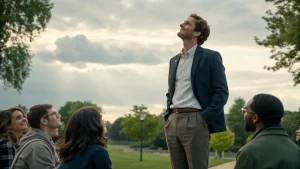
Oscar-winning actor Matthew McConaughey is partnering with AI startup ElevenLabs to create a digital version of his voice, joining a growing group of public figures testing synthetic media. The move signals a new phase in how stars manage their likeness and opens fresh questions for entertainment, advertising, and regulation.
Why This Partnership Matters
McConaughey’s voice is a signature asset that has powered films, ads, and audiobooks. Licensing it to an AI firm points to a future where talent can scale their work without always stepping into a studio. It also raises questions about creative control, consent, and the market for synthetic performances.
For ElevenLabs, known for text-to-speech and voice cloning tools, a high-profile partner can help legitimize uses of AI audio that rely on clear rights and permissions. For Hollywood, it offers a test case for how talent might safely license voice models for approved uses.
Oscar-winning actor Matthew McConaughey has teamed up with AI company ElevenLabs to create a digital replica of his voice.
Background: AI Voice in Entertainment
Digital replicas have been on the industry’s radar since studios began using AI to restore or modify dialogue and narration. The 2023 actors’ strike placed consent and compensation for digital likeness at the center of labor talks. The union later emphasized that performers must approve any synthetic version of their voice or face.
Beyond labor issues, synthetic audio has been linked to deepfakes in politics and fraud. That has pushed companies to add safeguards such as consent checks, watermarks, and policies limiting misuse. Policymakers are reacting as well. The European Union’s AI Act, moving through implementation, will require transparency for AI-generated content in many contexts. U.S. regulators have warned advertisers and platforms to avoid deceptive AI voice uses.
How Voice Cloning Works—and the Guardrails
Voice models are typically trained on samples from the original speaker. With consent, the process can be tuned for tone, pacing, and emotion. The result can produce long-form narration or short spots that sound like the original voice.
- Consent and licensing: Clear approval from the performer is key.
- Usage controls: Contracts can limit where and how the voice is used.
- Disclosure: Labels help audiences know when audio is synthetic.
- Security: Watermarks and monitoring can deter unauthorized copies.
If McConaughey’s deal follows best practices, it will include detailed approvals for scripts, contexts, and brands. It may also include fees tied to usage and duration, mirroring traditional voiceover work but with more granular control.
Industry Reactions and Open Questions
Studios and marketers have long sought recognizable voices for campaigns. A licensed digital model could speed production while keeping the performer’s standards intact. It could also let talent record in multiple languages or formats without new sessions.
Critics worry about dilution of craft and the risk of unauthorized replicas. Recent public debates over AI voice cloning show the stakes. Artists want ironclad consent processes and the ability to say no. Consumer groups are pushing for clear labels to avoid confusion.
For AI companies, partnerships like this can help set norms. If they demonstrate strong consent and auditing, it may reduce misuse by copycats operating without permissions.
What It Means for Creators and Brands
Licensed voice models could expand options for audiobooks, documentaries, and branded content. They may also help with accessibility, such as creating custom narrations or audio guides. However, success depends on tight controls and transparency.
Brands will face choices about disclosure and tone. Even with permission, audiences may react differently to a synthetic read versus a live session. Clear labeling can help preserve trust and reduce backlash.
What to Watch Next
Key developments will include the scope of approved uses, how the model is labeled in public releases, and whether other actors announce similar deals. Legal frameworks are shifting, and new rules could set standards for consent, data rights, and content labeling.
If the partnership delivers high-quality, well-disclosed audio with firm safeguards, it could serve as a template for talent-friendly agreements. If not, it will intensify calls for stronger rules.
McConaughey’s decision marks a practical test of how stars can work with AI on their own terms. The outcome will shape how entertainment, advertising, and policy approach synthetic voices in the months ahead.

Deanna Ritchie is a managing editor at DevX. She has a degree in English Literature. She has written 2000+ articles on getting out of debt and mastering your finances. She has edited over 60,000 articles in her life. She has a passion for helping writers inspire others through their words. Deanna has also been an editor at Entrepreneur Magazine and ReadWrite.