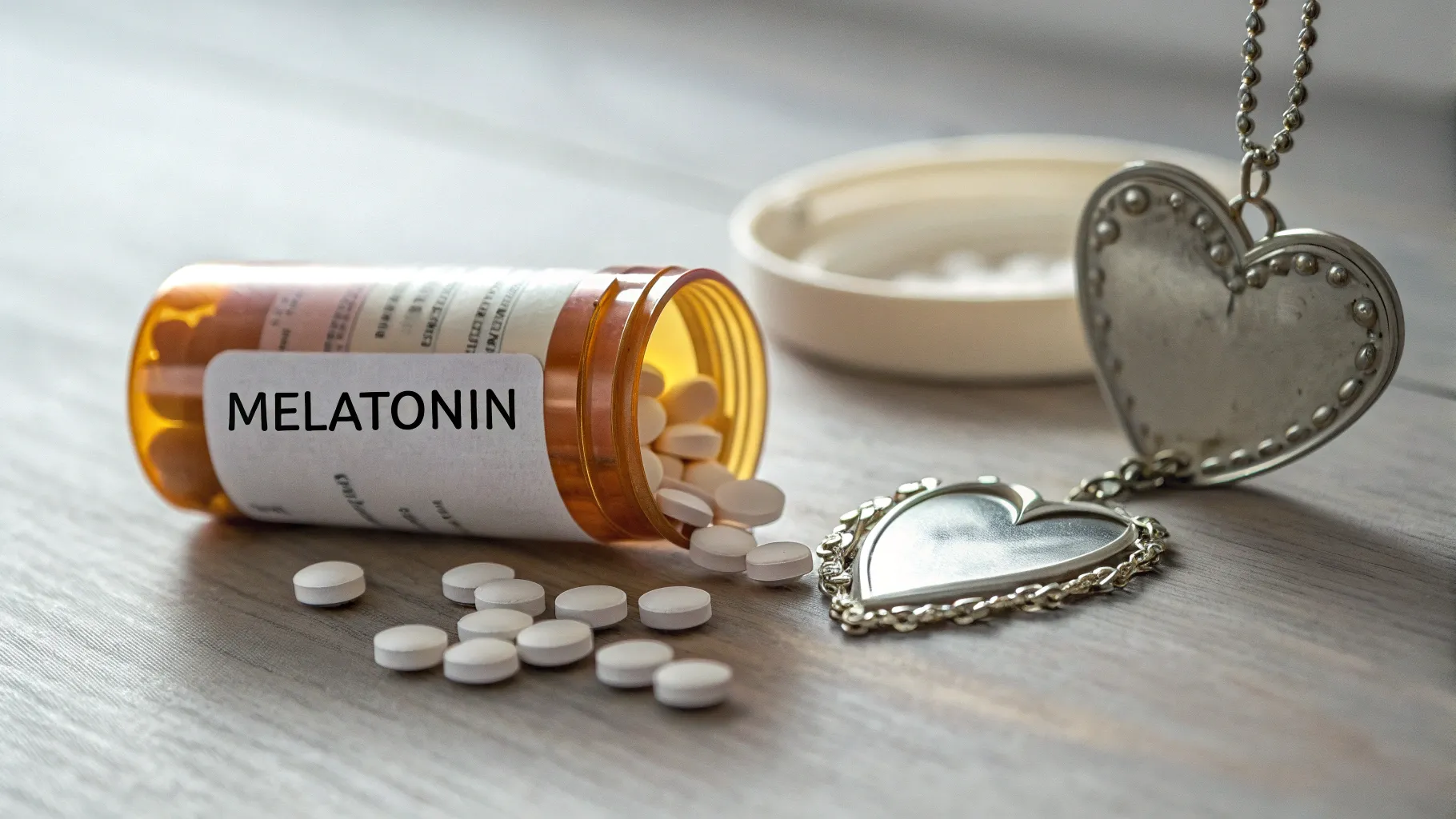
Recent headlines have raised alarms about a link between melatonin and heart failure, but doctors urge calm and context. The message from clinicians and researchers this week is clear: do not panic, review the evidence, and talk with a physician if you have heart disease or take multiple medications. The discussion follows new media attention on preliminary findings shared in health forums and social media posts.
“Don’t lose sleep over headlines linking melatonin to heart failure.”
Melatonin is a popular over-the-counter sleep aid in the United States. Use has climbed over the past decade as more people report trouble sleeping. Heart failure remains a major chronic condition, especially among older adults. Any report of a possible connection draws fast coverage and concern. Yet specialists caution that early signals often reflect associations, not proof of harm.
The Limits of Early Signals
Scientists often begin with observational data. These studies can spot patterns but cannot prove cause and effect. They may rely on self-reported supplement use, which is imprecise. Doses, timing, and product quality vary widely across users.
Small studies or lab experiments can inform future research, but they are not the final word. A single analysis, especially if not peer-reviewed, should not drive personal medical decisions. Clinicians emphasize that firm conclusions need randomized trials with clear dosing and careful tracking of side effects.
What We Know About Melatonin
Melatonin helps regulate the sleep-wake cycle. For many healthy adults, short-term, low-dose use appears to be well tolerated. Side effects can include morning grogginess, dizziness, or headaches. The supplement can interact with medicines that affect blood clotting, blood pressure, blood sugar, or seizures.
Quality control is a known issue. Studies have found that actual melatonin content can differ from the label. Some products also contain added ingredients. Consumers should select brands that use third-party testing and share batch information.
Sleep, Heart Health, and Risk
Poor sleep is linked with higher risks of high blood pressure, diabetes, obesity, and heart disease. It is not surprising that people with heart problems often struggle with sleep. That connection can confuse research on supplements used at night.
Doctors often recommend non-drug options first. Cognitive behavioral therapy for insomnia can improve sleep without medication. Simple steps also help: regular bedtimes, less late caffeine and alcohol, and lower light exposure in the evening.
Advice for Patients and Caregivers
- If you have heart disease or take multiple medicines, speak with your doctor before starting melatonin.
- Use the lowest effective dose for the shortest time needed.
- Check for third-party testing on the label and avoid products with extra sedatives.
- Monitor for dizziness, low blood pressure symptoms, or changes in sleep quality.
Balanced Views From the Clinic
Cardiology and sleep specialists report that many patients use melatonin without serious problems. They also note that some patients feel worse with higher doses or inconsistent brands. Both groups stress individual care plans.
Some clinicians caution that headlines can exaggerate risks from small or early research. Others welcome the attention if it prompts better labeling, dosing guidance, and patient-doctor conversations. Both points of view support the same step: careful review of each person’s health profile.
What to Watch Next
Experts say larger, controlled studies are needed to test specific doses in people with and without heart disease. Researchers are interested in how melatonin interacts with common cardiac and blood pressure medicines. Regulators and professional groups continue to discuss labeling, dosing ranges, and product purity for sleep supplements.
For now, the consensus is steady. Do not make sudden changes based on headlines alone. If sleep problems persist, seek medical advice and consider proven non-drug therapies.
The latest debate highlights a familiar pattern in health news. Early findings spark strong reactions, but the science takes time. Melatonin remains a tool that may help some adults sleep better. Used wisely and with medical guidance, it is unlikely to raise sudden heart risks. Patients should balance caution with evidence, keep doses modest, and focus on overall heart health, including sleep quality, activity, and blood pressure control.

Senior Software Engineer with a passion for building practical, user-centric applications. He specializes in full-stack development with a strong focus on crafting elegant, performant interfaces and scalable backend solutions. With experience leading teams and delivering robust, end-to-end products, he thrives on solving complex problems through clean and efficient code.