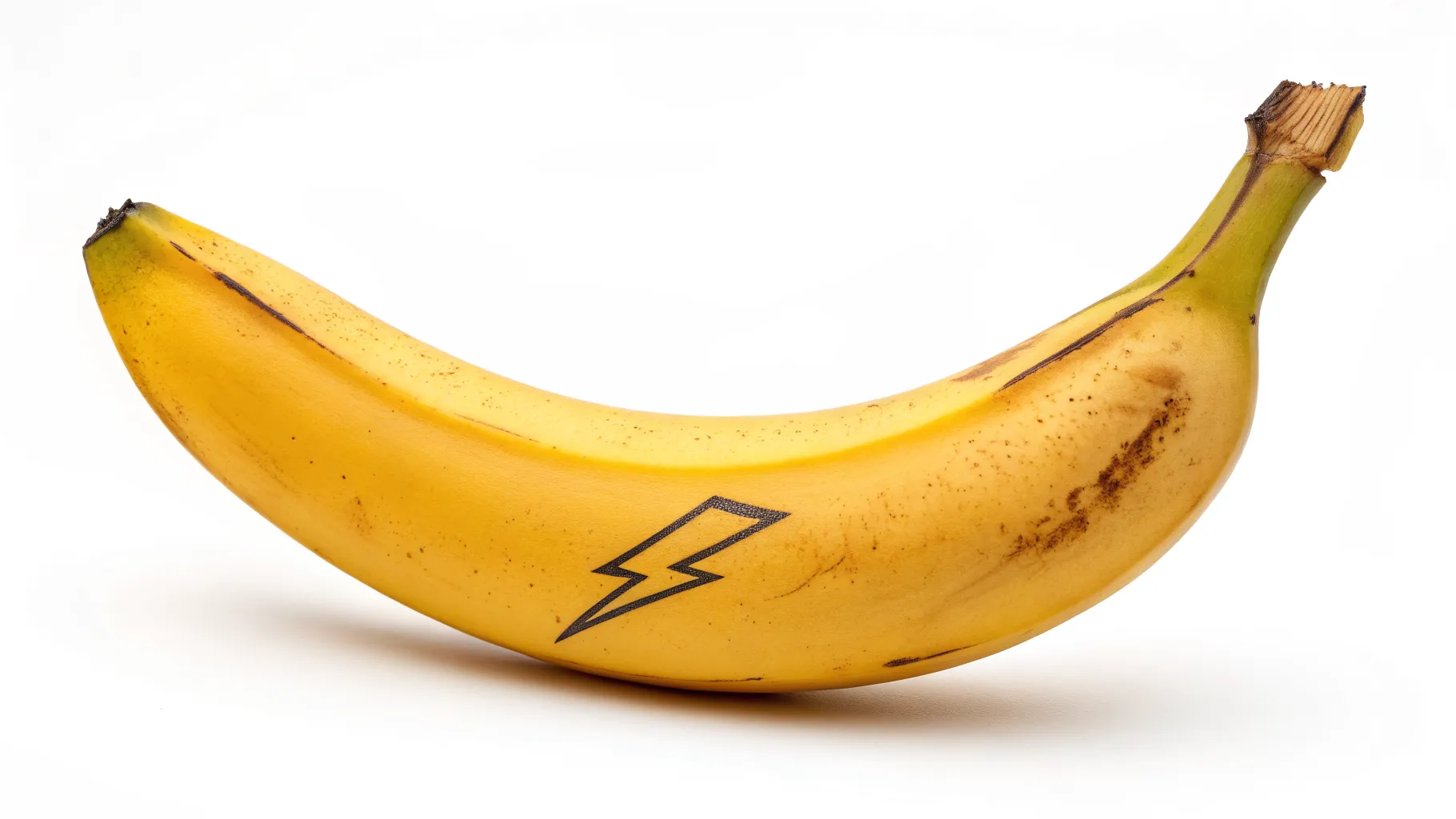
A puzzling phrase — “Nano Banana 2: Electric Boogalo” — set off a wave of jokes and questions across social feeds this week, prompting fresh debate over how sequel titles can help or hurt a project. The line appeared without context, but it was enough to ignite talk in creator circles and fan forums about naming, branding, and the fine line between humor and confusion.
The phrase hints at a sequel and borrows from a well-worn internet joke. It also contains a misspelling that could complicate search and discovery. The chatter reflects a larger conversation on how naming shapes first impressions and audience reach.
Why This Phrase Hit a Nerve
The words carry two signals. First, the “2” suggests a follow-up. Second, “Electric Boogalo” references a long-running meme. The original source dates to the 1984 breakdance film “Breakin’ 2: Electric Boogaloo.” Over time, the subtitle became a shorthand punchline for sequels of any kind. It is often used to wink at fans or lean into camp.
Humor travels fast online, but it can also blur intent. If a creator aims for a serious tone, a meme-styled name may clash with the content. If the goal is comedy, the gag must land on the first read. Here, the spelling twist — “Boogalo” instead of “Boogaloo” — adds another layer. It could be a joke, a typo, or a deliberate brand mark.
The Power and Peril of Meme Titles
Meme hooks can boost awareness. They also risk aging quickly. Titles carry weight in search, recommendations, and storefronts. Misspellings can fracture results across platforms or bury a project under unrelated content. That is especially risky at launch, when first-week discovery matters most.
Marketing teams often test options with small audience groups. They measure recall, tone fit, and click behavior. A playful name can win attention but lose clarity. A plain name can signal focus but fade in a crowded field. The sweet spot depends on the audience and the medium.
What the Phrase Itself Says
“Nano Banana 2: Electric Boogalo.”
On its face, the line suggests a return to a tiny, quirky idea. “Nano” implies scale. “Banana” hints at humor. The sequel tag sets an expectation of continuity. The subtitle, even misspelled, signals self-aware camp. That mix can attract curious early adopters. It can also put off those who expect a straight story or a polished brand.
Lessons From Past Naming Trends
Entertainment has cycled through many sequel patterns. Numbers signal direct continuation. Subtitles offer tone and theme. Reboots drop numbers to reach new fans. Satirical tags, like the enduring “Electric Boogaloo,” trade on shared jokes. In gaming and indie film, playful names often thrive with niche communities. In mass channels, clarity usually wins.
- Clear titles aid search and storefront placement.
- Subtitles shape tone before the first trailer or demo.
- Misspellings can hinder discovery and brand memory.
Industry View: Balancing Wit and Reach
Marketers stress a few basics. Pick a name that matches the work. Test it with real users. Check spelling and variants across stores, social handles, and domains. If a joke is central, own it. If tone is mixed, adjust early. Even a small change — fixing a single letter — can improve search and recall.
The current buzz shows how a few words can move a crowd. Laughs convert to clicks, but only if people can find the project again. That is where naming and metadata meet.
The phrase may vanish as a one-off joke or point to a real sequel in progress. Either way, the reaction offers clear takeaways. Titles set expectations, shape tone, and drive discovery. If the goal is reach, a clean, consistent name helps. If the goal is flair, test the joke and spell it right. Watch for follow-up clues, corrected spellings, and official channels that can confirm what, if anything, comes next.

A seasoned technology executive with a proven record of developing and executing innovative strategies to scale high-growth SaaS platforms and enterprise solutions. As a hands-on CTO and systems architect, he combines technical excellence with visionary leadership to drive organizational success.