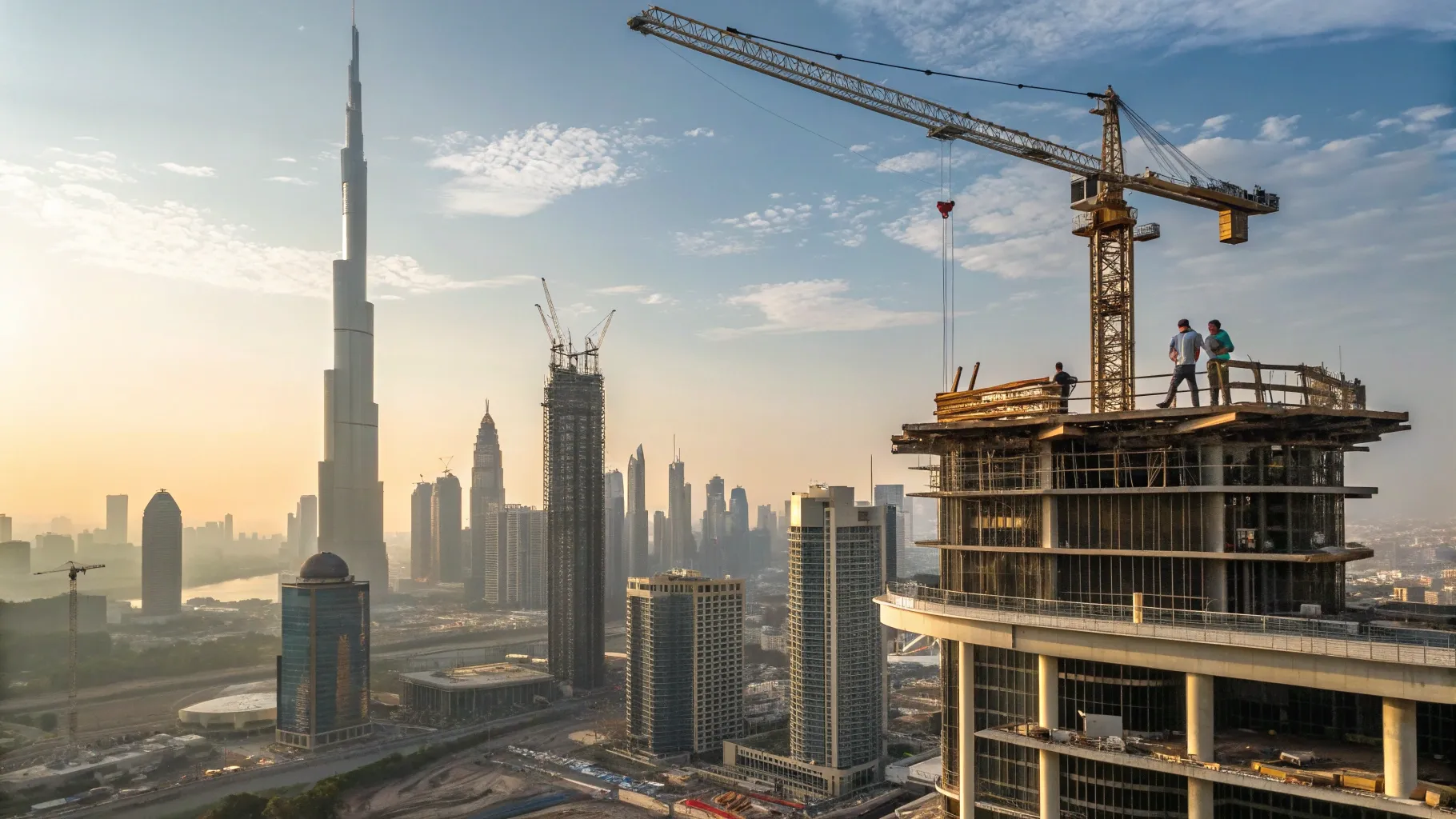
Mercedes-Benz plans to expand its real estate footprint with a bold push in Dubai, partnering on the development of 12 new skyscrapers. The move follows its projects in Miami and Dubai and signals a fresh phase in the race among luxury car brands to stamp their names on high-end residential towers. The company’s expansion taps into strong demand for branded residences in a city that has seen record property sales and rapid population growth.
A Growing Push Into Branded Towers
High-end automakers have been moving into property for more than a decade, pairing their design language with real estate developers. Porsche made headlines in Miami with a tower that features car elevators to in-unit garages. Aston Martin and Bentley each have projects on Florida’s coast. Bugatti and Lamborghini have signed on to Dubai towers marketed to global buyers seeking status, design, and service.
Mercedes-Benz signaled that the strategy is no longer a one-off. It is turning a branding experiment into a portfolio play focused on Dubai, one of the world’s busiest luxury housing markets. The city attracted affluent buyers from Europe, Asia, and the Middle East during the last three years as mortgage rates rose elsewhere and prime inventory tightened.
What the Company Says
“Luxury automakers are getting serious about architecture.”
“Following its Miami skyscraper and Dubai tower, Mercedes-Benz has now really put its foot on the gas to collaborate on building no less than 12 new skyscrapers in Dubai.”
The company frames the push as an extension of its design and engineering values into living spaces. While detailed timelines and budgets were not disclosed, the project count suggests a multi-year pipeline with staggered completions. Developers in Dubai often align launches with market windows and pre-sales schedules, releasing inventory in phases to manage risk and demand.
Why Dubai, Why Now
Dubai’s prime property market has notched successive records since 2021, driven by inbound wealth, investor visas, and large-scale development. Branded residences typically command a price premium, supported by hospitality-style services, curated interiors, and cachet. For automakers, the model can generate licensing revenue and deepen loyalty among top clients.
Analysts say the mix of design control and limited capital exposure is part of the appeal. Brands usually provide design guidance and standards, while developers handle land, construction, and sales. That structure helps reduce financial risk for the automaker while keeping its name front and center.
How This Fits a Broader Trend
Mercedes-Benz joins a crowded field of luxury badges seeking a place on the skyline. Recent and ongoing projects include:
- Porsche Design Tower in Miami
- Aston Martin Residences in Miami
- Bentley-branded towers in South Florida
- Bugatti-branded residences in Dubai
The strategy reflects a hunt for new revenue and deeper brand engagement. Buyers get design cues they recognize, from materials to lighting, paired with amenities like valet, concierge, wellness spaces, and private lounges.
What To Watch: Design, Delivery, and Demand
The scale of 12 towers raises questions about design consistency and delivery. Buyers will look for high-quality finishes, strong building management, and long-term maintenance plans. Developers must also balance signature features with practical concerns like energy efficiency and heat management.
Market watchers will track how quickly units pre-sell and whether price premiums hold. Dubai has absorbed several brand launches in the past two years, and new inventory will test the depth of demand at the top end. If interest rates ease or global equities rise, the buyer pool may widen. If macro conditions tighten, developers may adjust release schedules or incentives.
Implications for Competitors
Rival automakers may respond with more projects or refreshed concepts, especially in cities with strong international demand. The push could accelerate partnerships between car brands and regional developers, blending automotive design teams with architects and hospitality groups. Success in Dubai may set templates for similar clusters in Saudi Arabia, Singapore, or coastal U.S. markets, where brand premiums have been resilient.
Mercedes-Benz is betting that residential design can extend the reach of its badge from the driveway to the lobby and living room. The new plan marks an aggressive step in a market that has rewarded bold ideas and rapid execution. The next milestones will be partner announcements, design reveals, and pre-sales results. Those will show whether appetite for branded towers remains strong—and whether 12 new towers can find enough buyers to match the brand’s ambitions.

A seasoned technology executive with a proven record of developing and executing innovative strategies to scale high-growth SaaS platforms and enterprise solutions. As a hands-on CTO and systems architect, he combines technical excellence with visionary leadership to drive organizational success.