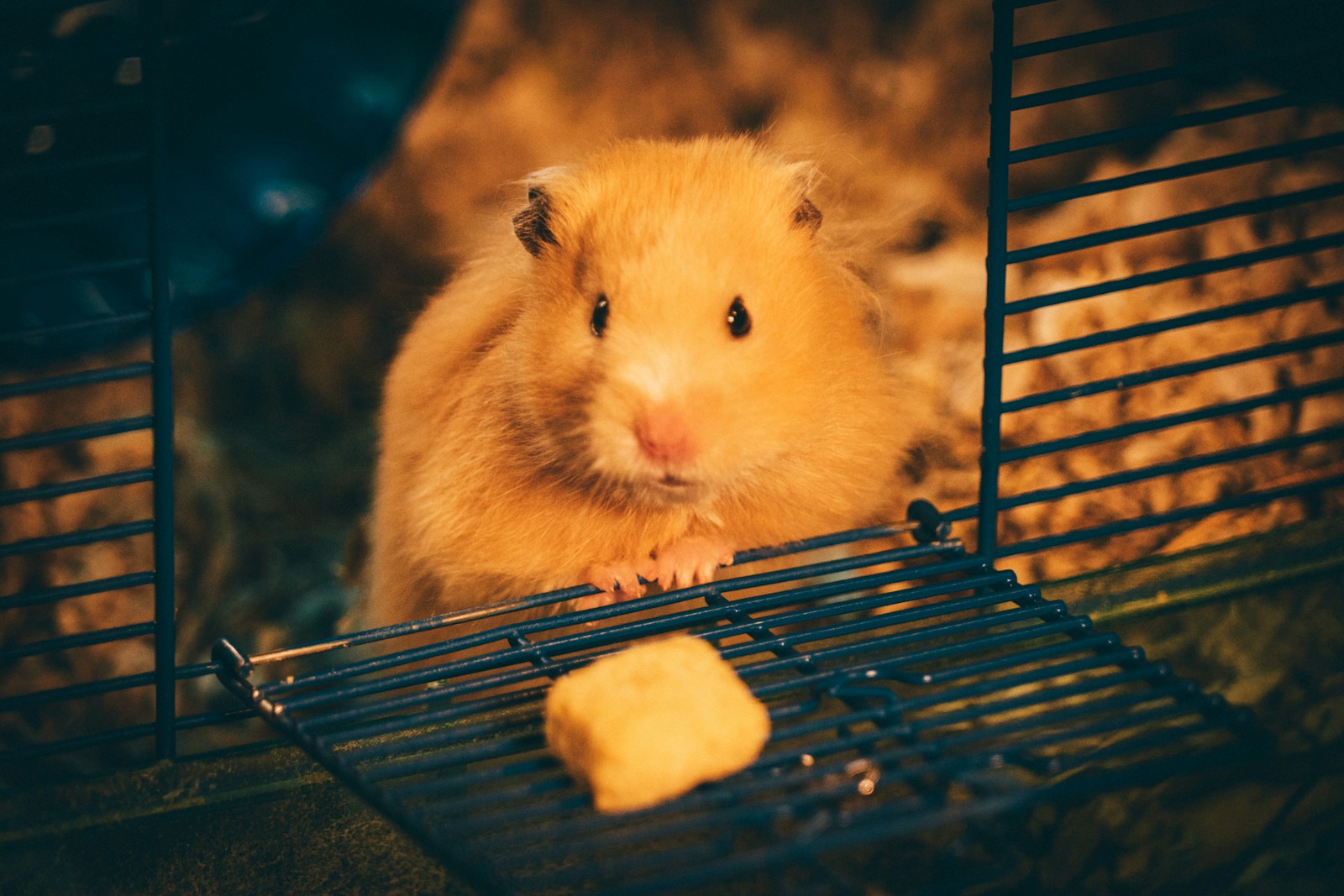
Mice may be more than just furry little creatures scurrying around in labs and homes. A new study has found that they also exhibit first responder-like behavior when their companions are injured or unconscious. Researchers at the University of Southern California discovered that when mice encountered a familiar social partner that was unconscious due to anesthesia, they displayed distinct and consistent behaviors aimed at resuscitating their peer.
These behaviors ranged from gentle sniffing and grooming to more forceful actions such as biting the partner’s mouth or tongue and pulling its tongue out. “The urgency with which ‘helper mice’ target the mouth and tongue of their unconscious peers appears to improve the airway of their peer and lead to a faster recovery,” said Professor Huizhong Tao from the University of Southern California. “We learned the act of tongue-pulling between mice in this study could not be interpreted as an aggressive gesture.”
The social behaviors were significantly more pronounced among familiar pairs of mice and were rarely seen when one of the paired mice was simply sleeping or active.
After the unconscious mice regained consciousness, they had regular use of their tongue. To investigate the neural mechanisms behind the helper mice’s social behaviors, the authors utilized advanced neural imaging and optogenetics.
Mice display first responder behaviors
They discovered the activation of oxytocin neuropeptides, which are widely known as hormones that play a crucial role in social bonding. “This was the first study to show oxytocin may also be a key factor in the social bonding in mice,” said Professor Li Zhang from the University of Southern California. “Our findings not only enhance our understanding of animal behavior but also highlight the critical role of the oxytocin system, which may also inform social behaviors across vertebrate species.”
The researchers first witnessed this rehabilitative behavior among mice paired together in an unrelated study.
“The behavior was especially unique due to its similarity to how humans behave in emergency responses. I had never seen this behavior from mice before,” said Dr. Wenjian Sun, also from the University of Southern California.
The study, titled “Reviving-like prosocial behavior in response to unconscious or dead conspecifics in rodents,” was authored by Wenjian Sun and colleagues and published in the journal Science. It provides new insights into the social behaviors of mammals and opens up new avenues for studying the biological foundations of prosocial behaviors, including empathy.
Image Credits: Photo by Jay Nlper on Unsplash

April Isaacs is a news contributor for DevX.com She is long-term, self-proclaimed nerd. She loves all things tech and computers and still has her first Dreamcast system. It is lovingly named Joni, after Joni Mitchell.