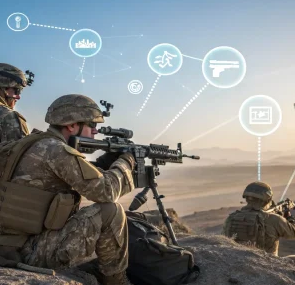
A new description of a battlefield software tool suggests that soldiers earn points for successful strikes and spend them in an online weapons store. The practice, described as an in-app reward system, raises tough questions about military ethics, rules of engagement, and the growing use of gamification in war. The development appears to link direct combat actions with a digital marketplace, prompting scrutiny from legal experts and human rights groups.
How The System Works
“System rewards soldiers who achieve strikes with points that can be used to buy more weapons in an online store.”
The described setup blends performance tracking with a points-based marketplace. Soldiers who carry out strikes receive credits. Those credits can then be exchanged for additional weapons or gear inside a digital catalog. While details on oversight, approvals, and auditing are not disclosed, the model resembles reward systems seen in commercial apps and games.
Advocates of such tools often argue that they can improve response times and streamline logistics. A points ledger can also centralize requests, track inventory, and speed up resupply. In theory, it could reduce delays and align equipment with field needs.
Ethical Concerns and Human Impact
Ethicists and humanitarian observers warn that tying rewards to strike activity risks turning lethal force into a score. They argue that this can blur the line between military necessity and competition for perks. Critics say it may encourage more frequent or riskier engagements, even when restraint is required.
International humanitarian law requires distinction, proportionality, and accountability. Tools that gamify lethal actions may test those standards. The concern is not only the act of rewarding, but also the psychological framing. When lethal force is portrayed through points and purchases, the gravity of civilian harm can be minimized.
A human rights analyst noted that incentives should never be tied to kinetic outcomes. “Rewards need to reflect compliance with law and protection of civilians, not the volume of strikes,” the analyst said.
Operational Arguments and Command Control
Supporters within defense circles say performance systems are in place in many jobs, including high-risk roles. They argue that clear metrics and instant access to equipment can save lives. If credits reflect mission goals approved by commanders, they contend, the tool can align resources with priorities.
Yet commanders also face new risks. A points store could shift decision-making incentives away from strategic objectives. It could complicate command responsibility if operators perceive direct benefits from taking specific actions. Without strict auditing, it may create conflicts of interest within units.
- Potential for distorted incentives in targeting decisions
- Risk of dehumanizing the enemy and civilian populations
- Possible gaps in oversight, logging, and appeals
- Need for commander review and legal compliance checks
Legal Questions and Accountability
Legal experts say any system that influences decisions to use force must pass internal review. Procurement rules, end-use controls, and chain-of-command approvals should govern how credits are awarded and spent. Audit trails are essential. So are explicit prohibitions on rewarding lethal outcomes in ways that could encourage excess force.
If a marketplace offers offensive weapons, it may also raise export and licensing concerns, depending on jurisdiction and vendor. Documentation must demonstrate that purchases comply with policy and law. Transparency about audit logs and disciplinary measures is central to accountability.
Data, Transparency, and Safeguards
The described system does not specify how “strikes” are defined, who validates them, or how points are calculated. That lack of clarity matters. Without clear definitions, the risk of misuse rises. Oversight bodies typically require measures to prevent fraud, misreporting, or pressure to inflate results.
Experts suggest building safeguards such as tiered approvals, independent verification, and red-teaming to identify abuses. Non-kinetic achievements—like successful evacuations, de-escalations, or protection of civilian infrastructure—could be recognized instead. This would reward mission success without tying benefits to lethal outcomes.
What Comes Next
As digital tools spread across security operations, the line between management software and behavioral incentives is narrowing. Policymakers are likely to ask hard questions about how apps shape conduct under stress. Military legal officers may push for strict guidance or outright bans on reward mechanisms linked to strikes.
The debate will turn on transparency. Decision-makers will want evidence that any tool enhances compliance with the law, protects civilians, and serves the strategy. If those conditions cannot be met, the pressure to suspend or redesign such systems will grow.
The description of a points-for-strikes model has already sparked wider discussion about ethics in military technology. The key test is whether commanders can maintain control and uphold legal standards when software adds game-like incentives to the battlefield. Clear rules, independent oversight, and a focus on non-kinetic success metrics may decide the future of these tools.

A seasoned technology executive with a proven record of developing and executing innovative strategies to scale high-growth SaaS platforms and enterprise solutions. As a hands-on CTO and systems architect, he combines technical excellence with visionary leadership to drive organizational success.