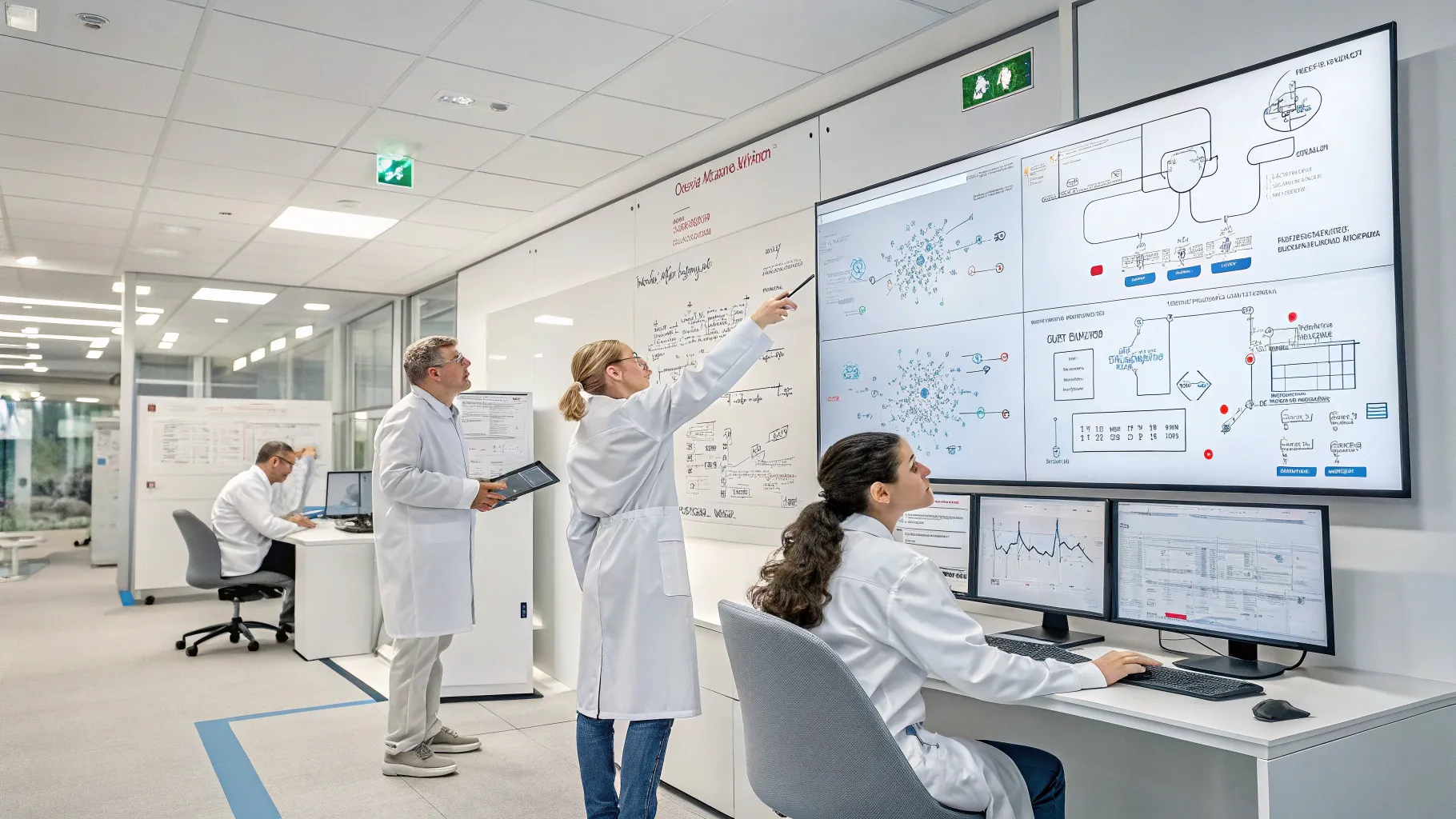
Researchers at MIT’s Computer Science and Artificial Intelligence Laboratory have outlined a new way to build software by separating programs into clear parts and rules. The approach breaks code into “concepts” that do one job, and “synchronizations” that define how those parts work together. It aims to make systems more modular, transparent, and easier to understand.
The method arrives as teams face swollen codebases, rising maintenance costs, and pressure to ship changes quickly. By giving each unit a single purpose and making connections explicit, the proposal seeks to reduce surprises and ease debugging. The researchers say the framework is designed for clarity and reuse.
Background: A Push for Cleaner, Safer Code
Software has grown more complex as features, integrations, and security needs have increased. Many teams now split work into smaller units, like modules, services, and libraries. Yet hidden couplings and unclear interfaces often remain. That can lead to bugs that are hard to trace and fixes that break other parts.
The MIT team’s idea reflects a long-running trend toward single-responsibility design and explicit contracts. It emphasizes two core elements. First, “concepts,” meaning pieces that perform a single, well-defined task. Second, “synchronizations,” meaning rules that describe how those pieces fit together in a system.
“Concepts,” or individual pieces designed to do one job, and “synchronizations,” or explicit rules that describe how those pieces fit together.
How the Method Works
Under the proposal, engineers isolate each task in a stand-alone concept. That could be a parser, a database adapter, or a payment calculator. Each concept has a clear purpose and expected inputs and outputs.
Synchronizations then define how concepts interact. They set the order of operations, share state if needed, and resolve conflicts. This shifts hidden behavior into visible, testable rules.
- Concepts: one job per piece of code.
- Synchronizations: explicit interaction rules between pieces.
- Outcome: modular, transparent systems that are easier to reason about.
The researchers argue this reduces accidental couplings. Changes to one concept are less likely to ripple through a codebase. Synchronizations can be audited, versioned, and validated on their own.
Potential Gains and Trade-Offs
Advocates say the structure can improve maintenance by making intent obvious. New team members can scan synchronizations to see how features fit together. Test coverage can target both the concept and the integration rule.
There are trade-offs. Writing synchronizations adds extra steps at the start. Teams must keep rules in sync with code, or drift may return. Legacy systems could need significant refactoring to adopt the model.
Still, the promise is clear. By extracting integration logic into first-class rules, the method may cut down on hidden behavior. It could also support safer rollout plans, as synchronizations can gate or stage interactions.
Implications for Teams and Tools
Many organizations struggle with brittle integrations and unclear ownership. A concept-and-synchronization approach could help define boundaries. It may also guide code reviews, where engineers check both unit intent and integration rules.
Tooling will matter. Editors, linters, and build systems could validate synchronizations and warn about risky changes. Documentation could mirror the same structure, giving a single source of truth for how parts connect.
Security and compliance teams may benefit as well. Explicit rules can clarify data flows and access paths. That can simplify audits and reduce surprises during incident response.
What Comes Next
The proposal suggests a path to clearer software by separating purpose from coordination. As one summary puts it, the approach “creates software that’s more modular, transparent, and easier to understand.” Adoption will depend on how well teams can integrate the idea with existing code and practices.
Engineering leaders will likely pilot the method on a contained feature or service. Success would show up as simpler reviews, fewer side effects, and faster onboarding. If tools emerge to automate synchronizations, usage could grow.
For now, the idea offers a practical frame for taming complex systems. The key test will be whether explicit synchronizations keep pace with real-world change without adding too much overhead.

Senior Software Engineer with a passion for building practical, user-centric applications. He specializes in full-stack development with a strong focus on crafting elegant, performant interfaces and scalable backend solutions. With experience leading teams and delivering robust, end-to-end products, he thrives on solving complex problems through clean and efficient code.