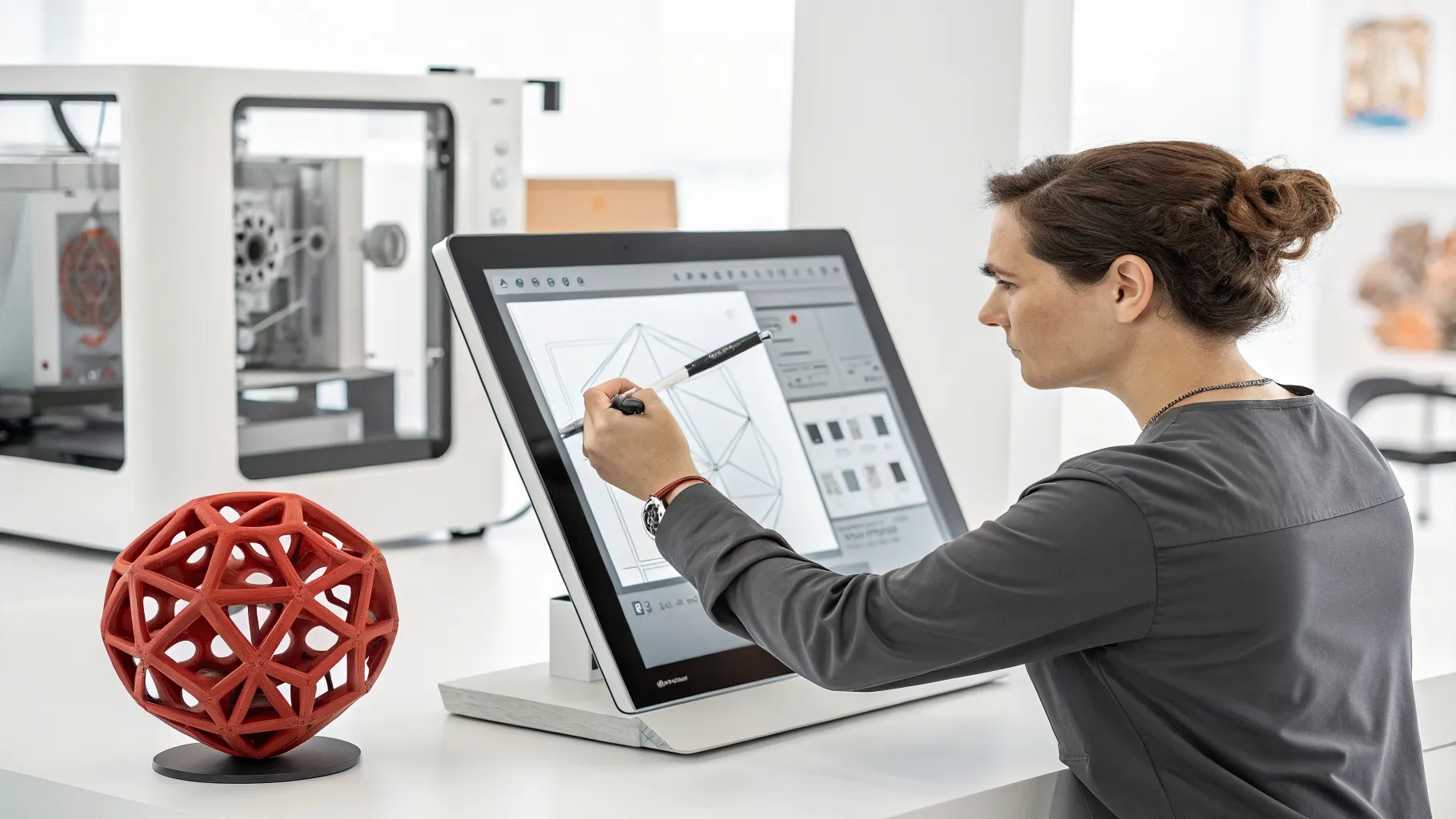
MIT researchers have introduced MechStyle, a system that blends generative AI with 3D printing to let users personalize everyday items while keeping them safe to produce. Announced this week, the tool accepts a user’s 3D model or a preset asset, applies style changes from text or image prompts, and ensures the final design remains structurally sound for fabrication.
The release highlights a push to make custom product design easier for non-experts. It also addresses a common problem in 3D printing: aesthetic edits that weaken a part and cause failures during use or after printing. MechStyle’s core promise is creative flexibility without sacrificing physical integrity.
How MechStyle Works
The system allows users to upload an existing 3D model or choose a ready-made template. They then guide changes with plain-language prompts or reference images. The model adapts the form and surface features to match the prompt while maintaining required support, thickness, and strength characteristics.
“MechStyle, a system developed at MIT, enables users to upload a 3D model or preset asset of everyday items, then prompt a generative AI model using images or text to personalize it.”
That workflow aligns with popular creative tools where prompts control style, but here the output is designed for the constraints of manufacturing. The system’s structural checks aim to reduce misprints, material waste, and redesign cycles.
Why Structural Integrity Matters
Designs that look fine on screen can fail once printed. Small edits, such as thinning a handle or adding heavy ornamentation, can cause breakage under load. By building engineering safeguards into the styling process, MechStyle tries to prevent weak points before they reach the printer.
“The system keeps the design structurally sound before it’s 3D printed.”
This feature could help home hobbyists who lack simulation tools and time. It may also support educators and makerspaces where safety and reliability are priorities.
Potential Uses and Users
Applications span consumer accessories, fixtures, and classroom projects. A teacher could tailor classroom tools with school insignia. A hobbyist might restyle a phone stand to match a desk setup. Small businesses could create short-run parts with custom branding.
- Personalized household items with safe handles and joints
- Branded fixtures or enclosures for small-batch products
- Classroom designs that meet basic strength needs
Because prompts can be text or image-based, users without formal design training may still influence shape and style in a direct way.
The Broader Context
Generative AI has moved into creative and engineering workflows, helping produce images, code, and now physical designs. 3D printing, meanwhile, has matured from prototyping to functional parts for homes, labs, and small shops. Yet the two trends have often collided on a simple issue: looks versus load. MechStyle addresses that friction by merging styling with checks that anticipate real-world use.
Previous tools have offered aesthetic customization or separate simulation steps, but combining them in a single, prompt-driven flow could reduce trial and error. That efficiency matters when filament or resin costs add up and print failures delay projects.
Open Questions and Risks
While the approach is promising, key questions remain. How well do the structural checks generalize across materials and printers? Can the system explain why it rejects certain edits? And how will it handle intellectual property when users submit reference images for styling?
Power users may still want manual control over wall thickness, infill, and supports. Others could expect full creative freedom and feel limited by safety constraints. The balance between protection and flexibility will shape adoption.
What Comes Next
If MechStyle performs well across common printers and materials, it could cut failed prints and broaden who can design functional parts. It may also set a template for future tools that keep engineering rules active throughout a creative session rather than as a final check.
For schools and makers, the system could speed up project cycles and reduce material waste. For small businesses, faster iteration may help bring niche products to market with less rework.
MechStyle presents a clear idea: make personalization easy and keep prints strong. The next phase will test its limits across designs, from simple holders to load-bearing fixtures. Watch for case studies that measure print success rates, material use, and time saved. Those results will show whether prompt-based styling with built-in safeguards can become a standard in desktop manufacturing.

A seasoned technology executive with a proven record of developing and executing innovative strategies to scale high-growth SaaS platforms and enterprise solutions. As a hands-on CTO and systems architect, he combines technical excellence with visionary leadership to drive organizational success.