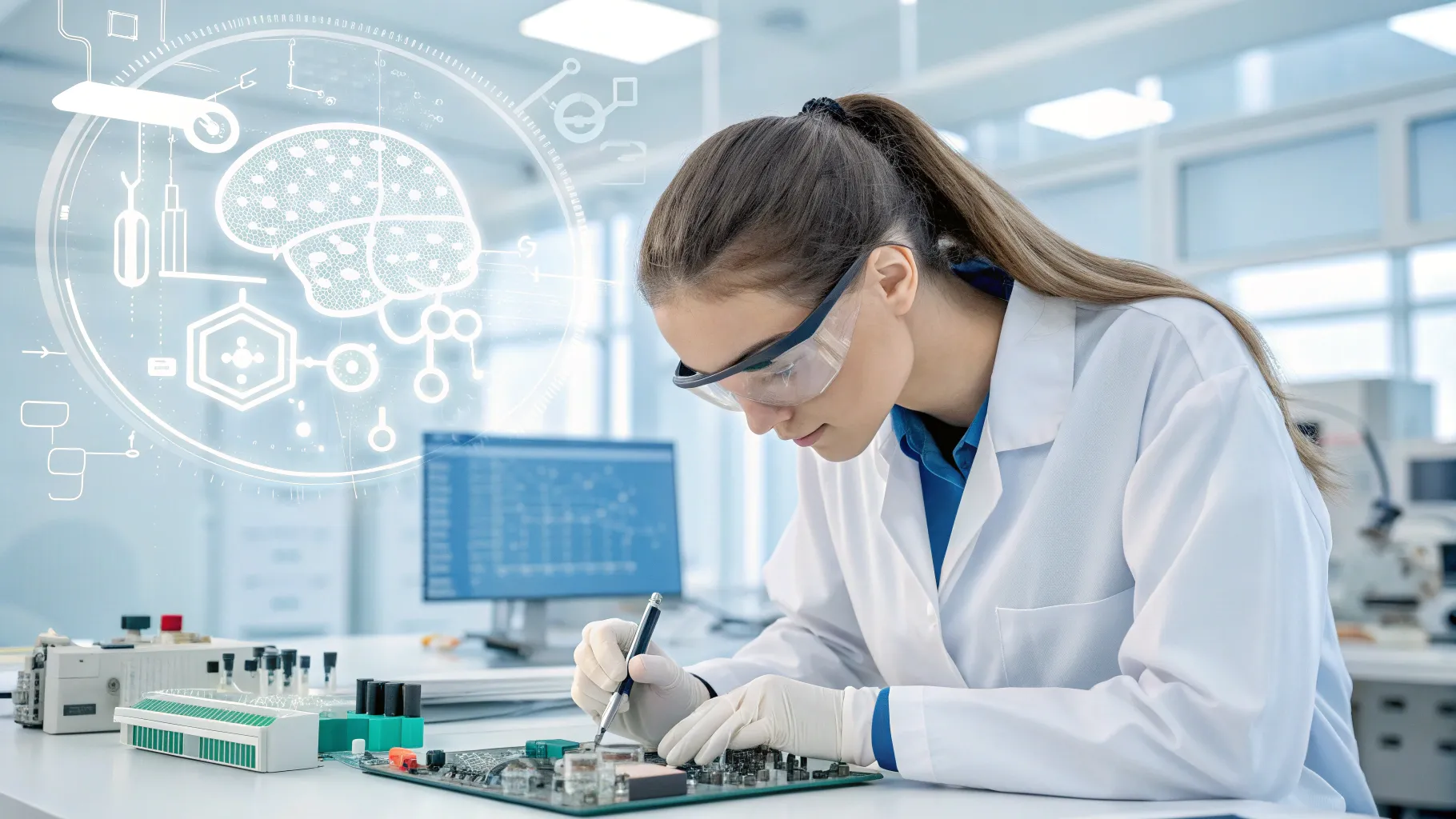
A young researcher at MIT is drawing attention to a quieter frontier of artificial intelligence: how to make it use far less energy. PhD student Miranda Schwacke is developing electrochemical devices for brain-inspired computing in Cambridge, Massachusetts, with a goal of delivering sustainable AI that can scale without straining power grids or the climate.
Her work blends lab research with public outreach and local engagement. The approach highlights a growing push to couple scientific progress with broader community benefits and clear communication.
Why Energy-Efficient AI Matters
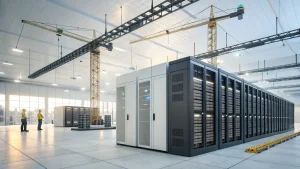
AI models have grown rapidly in size and cost, and so has their electricity demand. Training large systems can require vast data center capacity and specialized chips that draw significant power. Grid planners, regulators, and tech companies are now wrestling with how to support surging demand without higher emissions or higher costs.
Brain-inspired, or neuromorphic, computing offers one possible path. Instead of forcing all tasks through traditional digital logic, neuromorphic hardware attempts to mirror the way biological neurons and synapses process signals. The promise is faster inference at lower energy per task, especially for pattern recognition and on-device learning.
Schwacke focuses on electrochemical devices that change their state using ions rather than only electrons. Researchers see this as a route to memory and processing elements that act like synapses, potentially enabling compact, low-power systems.
Inside the Research Focus
Miranda Schwacke “develops electrochemical devices for brain-inspired computing to enable sustainable AI.”
Electrochemical components can store information in material changes controlled by voltage and ion flow. When stacked into arrays, they may support analog-like computation similar to how the brain computes. This approach could cut the need to shuttle data back and forth between separate memory and processing units, a common energy bottleneck.
While the lab work is technical, the aim is practical: less energy per operation, higher density, and better performance for tasks like real-time sensing. It also opens the door to AI running locally on phones, wearables, and robots, which could reduce network traffic and the energy load on cloud data centers.
Promises and Pitfalls
Experts say the opportunity is significant, but they caution that scaling new materials and devices is not easy. Manufacturing reliability, device-to-device variation, endurance, and integration with existing software are well-known hurdles for novel hardware. Competing approaches, like more efficient digital chips and smarter algorithms, are moving fast too.
Supporters argue that diverse solutions are needed. Better cooling, clean energy procurement, and data center efficiency can help on the supply side. On the demand side, specialized hardware and compact models can lower energy per task. Neuromorphic devices sit in the latter camp, offering a different design philosophy that could complement mainstream chips.
Beyond the Lab: Community and Communication
She combines “community involvement and science communication,” inspiring others while addressing energy-efficient technology challenges.
Schwacke’s outreach reflects a wider trend in research culture. Scientists are working to connect their projects with local schools, nonprofits, and civic groups, aiming to expand access and public understanding. That approach builds trust and helps align research with real needs, such as workforce training and fair access to emerging tools.
Clear communication is also practical. Policymakers and the public face complex trade-offs as AI scales. Plain-language explanations of what new devices do, what they cost, and how they can cut energy use help guide better decisions.
What to Watch Next
- Demonstrations that show consistent energy savings across many devices, not just single prototypes.
- Integration with software frameworks so developers can use neuromorphic hardware without rewriting everything.
- Manufacturing progress, including yields, reliability, and cost per unit.
- Use cases where on-device AI lowers latency, improves privacy, and reduces cloud energy use.
Collaboration across disciplines will matter. Materials scientists, device engineers, computer architects, and ethicists all have a role. So do utilities and grid planners, who must coordinate power needs with tech hubs.
Schwacke’s course of study highlights a balanced model: rigorous lab research, practical goals for energy reduction, and a public-facing effort that invites broader participation. The next phase will test whether electrochemical neuromorphic devices can move from promising experiments to dependable products.
If they do, the payoff could be AI that is faster, quieter, and far less power-hungry. That would help relieve pressure on data centers and make advanced computing more accessible. It is a path worth tracking as the race to build efficient AI accelerates.

A seasoned technology executive with a proven record of developing and executing innovative strategies to scale high-growth SaaS platforms and enterprise solutions. As a hands-on CTO and systems architect, he combines technical excellence with visionary leadership to drive organizational success.