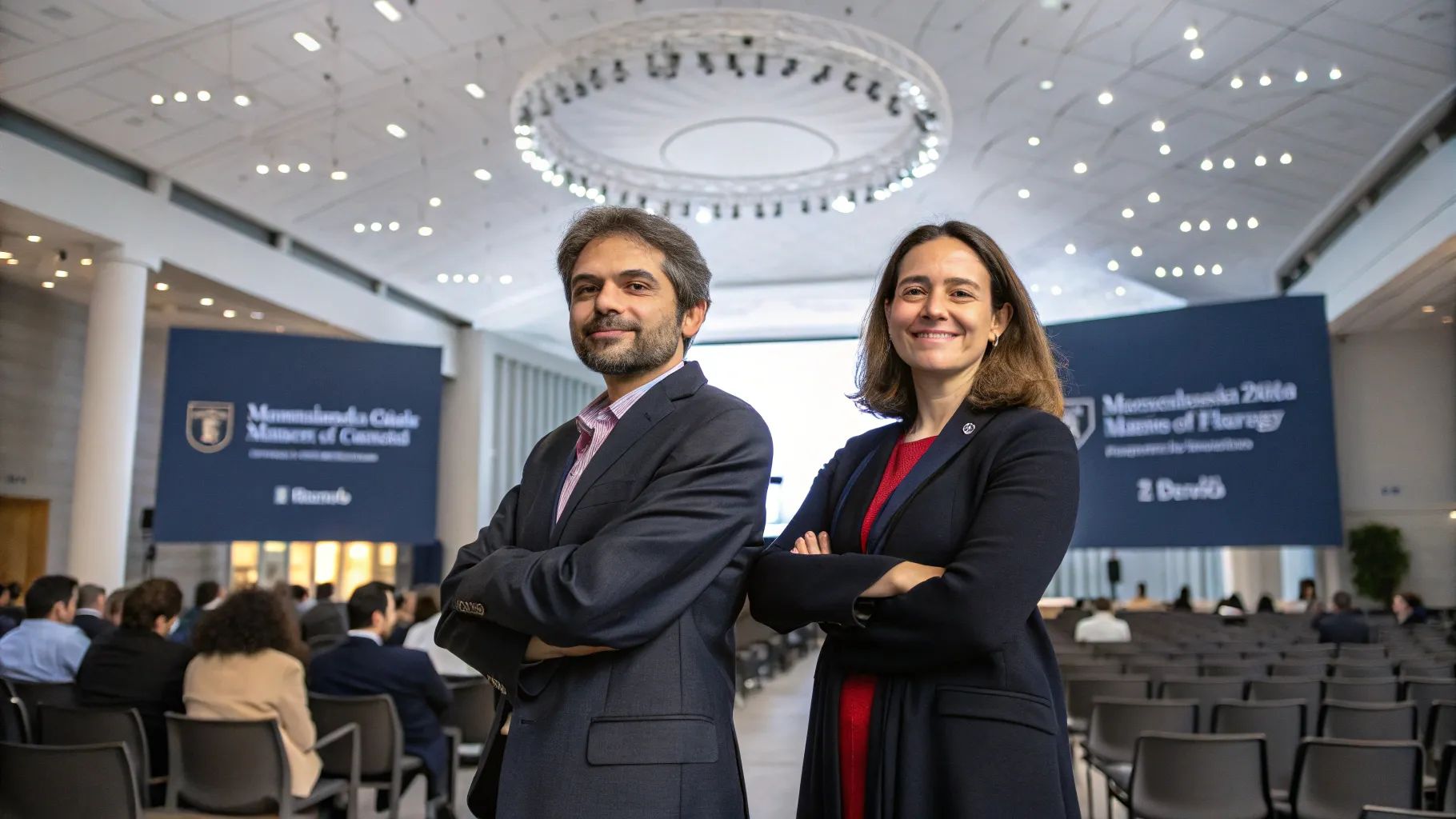
Two Massachusetts Institute of Technology faculty members, Facundo Batista and Dina Katabi, have been elected to the National Academy of Medicine for 2025, along with three MIT alumni. The honor recognizes high-impact contributions to medical and biological research. The announcement signals continued momentum in health, engineering, and life sciences at the institute, and highlights how cross-disciplinary work is shaping modern medicine.
“MIT faculty members Facundo Batista and Dina Katabi, along with three additional MIT alumni, were elected to the National Academy of Medicine for 2025, an honor that recognizes their contributions to medical and biological research.”
What the Election Means
The National Academy of Medicine (NAM) is one of the most respected advisory bodies on health and medicine in the United States. Election to NAM is a career-defining honor. It reflects the judgment of peers who nominate and vote for new members based on research impact and public service.
New members help advise government and the public on health issues. They contribute expertise on topics such as disease prevention, health systems, and biomedical innovation. Their work often informs policy and clinical practice.
Why This Matters for MIT
Election to NAM strengthens MIT’s role at the intersection of science, engineering, and medicine. The institute has invested in research that links computation, biology, and clinical needs. This recognition suggests that work from its labs is influencing patient care and scientific understanding.
Cross-campus collaborations are a key feature of MIT’s approach. Researchers in computing, electrical engineering, and biology often team up with clinicians and hospital partners. This model can speed the path from discovery to application.
Signals From the 2025 Class
While the academy did not release details in this statement, the inclusion of leaders in both biological research and technology points to steady demand for tools that connect data and medicine. Diagnostics, sensing, and systems for remote monitoring are drawing interest across the sector. So are advances in immunology, vaccines, and basic biology that inform treatment and prevention.
Election cycles often reflect wider priorities in public health and science. Recent years have raised questions about pandemic readiness, chronic disease care, and access to diagnostics. Technical innovation remains central to each of these areas.
Broader Trends Shaping Health Research
- Data-driven methods are moving into hospitals and clinics, supporting decisions and monitoring.
- Immunology continues to guide vaccine design and therapies for infection and cancer.
- Interdisciplinary teams are tackling complex problems that require both lab science and engineering.
These trends require strong ties between universities, hospitals, and industry. They also depend on training students who can work across fields. Honors like NAM election can help attract funding and talent to programs that meet those needs.
What Comes Next
New academy members frequently join consensus studies, workshops, and reports. Their input can shape national strategies on public health priorities, research directions, and workforce needs. Engagement with NAM also opens doors for mentoring and collaboration across institutions.
For MIT, the recognition may boost future partnerships with biomedical centers and public agencies. It can also encourage new projects that link campus research with clinical trials and community health.
A Moment for Reflection and Momentum
This year’s honors point to steady progress in fields that combine core science with practical tools. Election to NAM is not only a personal milestone. It is also a signal that research programs are addressing pressing health problems with measurable results.
As the 2025 class begins its service, observers will watch how their expertise informs work on diagnostics, prevention, and care delivery. The key questions now are how quickly new ideas reach patients and how widely benefits can be shared.
The latest elections show a clear message: strong science, careful engineering, and collaboration remain central to better health. The public will be looking for practical outcomes, transparent evidence, and steady leadership from the academy’s newest members.

Kirstie a technology news reporter at DevX. She reports on emerging technologies and startups waiting to skyrocket.