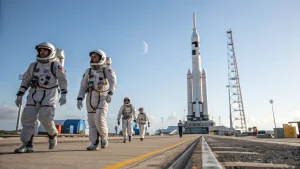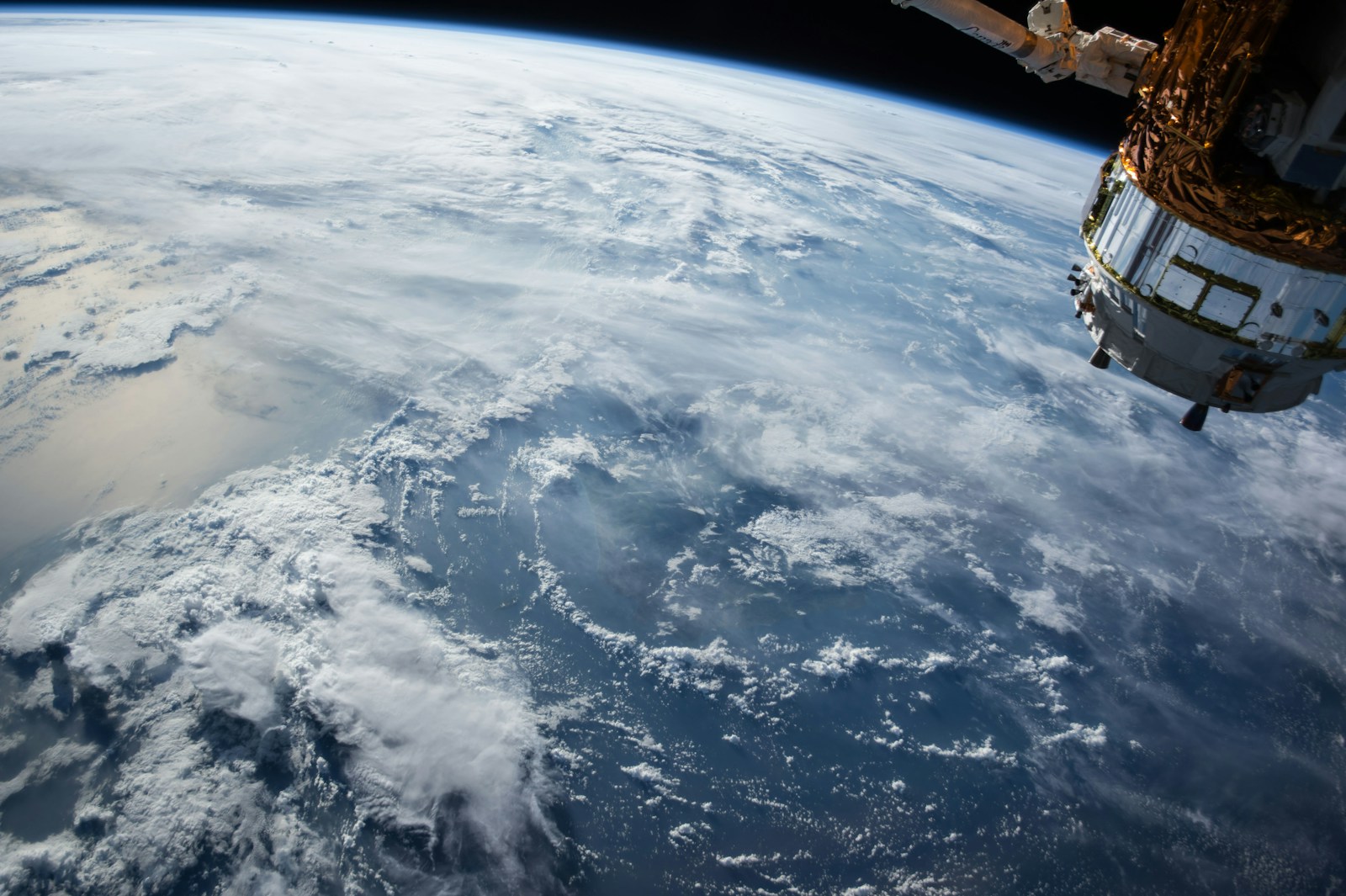
NASA is evaluating data that indicate Russian cosmonauts aboard the International Space Station (ISS) have successfully sealed off air leaks. Pending further analysis, NASA suggested that the delayed Axiom-4 mission, a privately funded research mission by SpaceX, could launch as early as June 19. The original launch date for Axiom-4 had been pushed back multiple times due to an issue with one of the engines in the Falcon 9’s first stage and the air leaks on the ISS.
With the latest updates regarding the ISS air leaks, NASA expects the mission to proceed as planned. A June 19 launch is targeted for 4:53 a.m. EDT, aiming for a docking at the ISS’s Harmony module around 10:30 a.m. on June 20. The Axiom-4 mission includes commander Peggy Whitson, Indian pilot Shubhanshu Shukla, Polish researcher Sławosz Uznański, and Hungarian engineer Tibor Kapu.
Assessing ISS air leak repair
This mission marks the first time astronauts from these three countries will visit the International Space Station. The air leaks, first detected in the transfer tunnel (PrK) of the station’s Zvezda module back in 2019, had proven difficult to seal until recent successful repairs by Roscosmos, the Russian federal space agency.
NASA confirmed in a blog post that the pressure in the tunnel has remained stable following the latest efforts, suggesting that the leaks have been sealed. The leak rates seen earlier could be related to a small amount of air flowing into the transfer tunnel across the hatch seal from the main part of the station,” NASA explained. By adjusting the pressure in the transfer tunnel and monitoring it over time, teams can evaluate the condition.
The Axiom-4 crew will fully utilize the U.S. segment of the International Space Station (ISS), where they will engage in various educational activities and conduct scientific research during their two-week stay.
Commander Whitson emphasized the significance of the mission: “The first objective is realizing the return of three countries to space, marking their astronauts’ first journey to the ISS.
While the idea of a leak may sound alarming, NASA has assured that the seven astronauts currently aboard the ISS are in no immediate danger. Nonetheless, the leak adds to ongoing maintenance concerns that have led to the international decision to retire the ISS by 2030.

Kirstie a technology news reporter at DevX. She reports on emerging technologies and startups waiting to skyrocket.