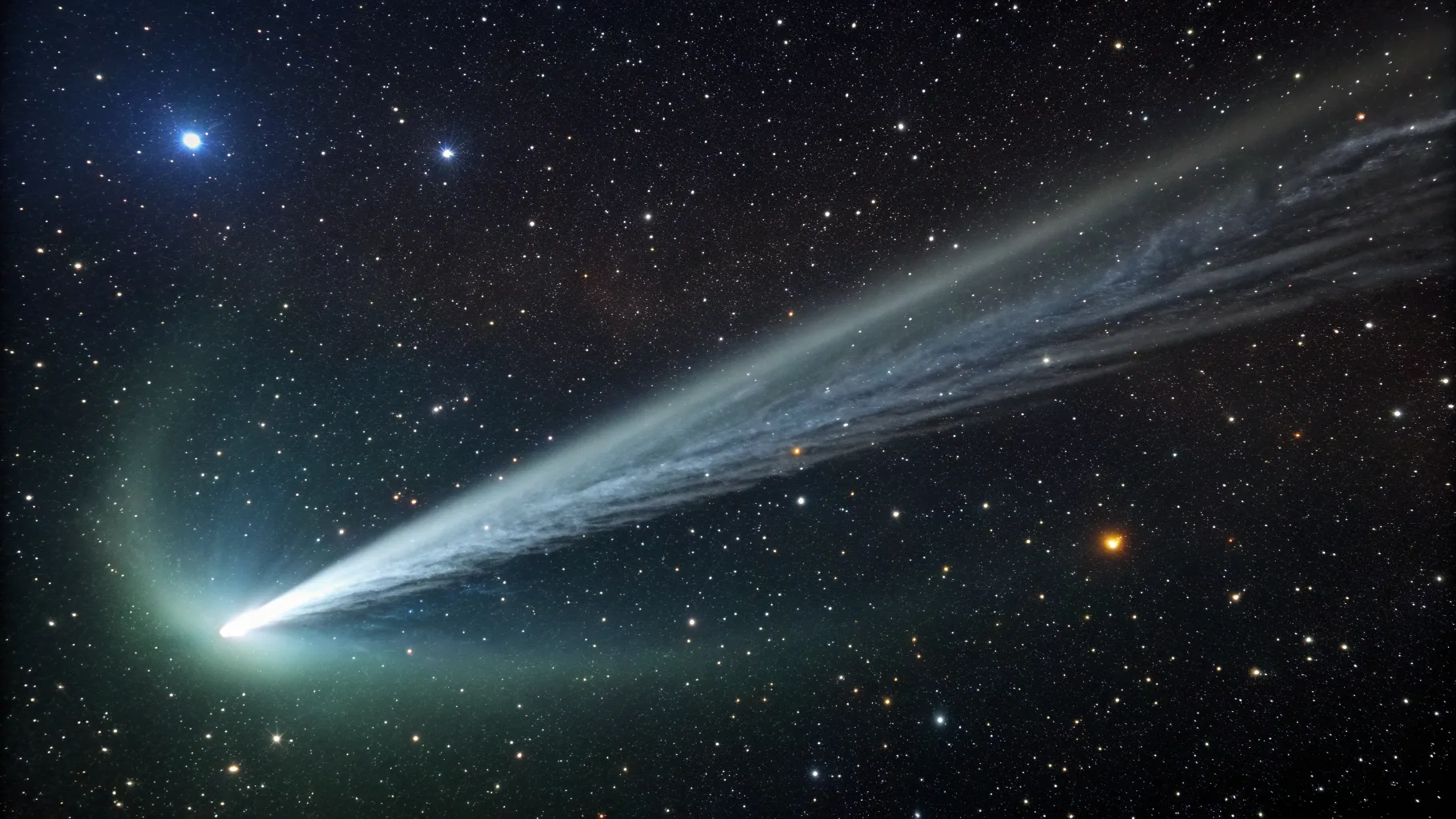
Recent observations from NASA’s Neil Gehrels Swift Observatory have uncovered significant differences between an interstellar comet and those native to our solar system. Scientists analyzing emissions data from the comet have found evidence suggesting its structural composition varies substantially from local comets, potentially offering new insights into planetary formation beyond our solar neighborhood.
Emission Analysis Findings
The Swift Observatory, designed to detect and analyze various forms of space radiation, captured distinctive emission patterns from the interstellar visitor. These emissions serve as fingerprints that allow astronomers to determine the comet’s physical properties and chemical makeup.
According to the data collected, the interstellar comet displays emission characteristics that don’t match the typical profiles seen in solar system comets. This suggests fundamental differences in how the object formed or the materials present in its home star system.
Structural Differences
The most striking discovery from the Swift Observatory data points to the comet’s internal structure. Unlike solar system comets, which typically consist of a mixture of ice, dust, and rocky materials in relatively predictable distributions, this interstellar object appears to have a different composition or arrangement of materials.
These structural variations might include:
- Different ice-to-dust ratios than typically found in local comets
- Unusual distribution of volatile materials
- Distinct mineral compositions reflecting its origin in another star system
The findings add to growing evidence that planetary formation processes may vary significantly across different star systems, challenging some existing models of how solar systems develop.
Scientific Implications
This discovery marks an important step in understanding objects from beyond our solar system. Since the first confirmed interstellar object, ‘Oumuamua, was detected in 2017, astronomers have been eager to study additional visitors from other star systems.
The structural differences observed in this comet provide a rare opportunity to directly compare materials formed around other stars with those in our own solar system. This comparative analysis helps astronomers understand the range of conditions and processes that exist during planetary system formation throughout the galaxy.
“Each interstellar object we study gives us a window into another solar system without having to travel there,” noted one researcher familiar with the Swift Observatory data.
The Swift Observatory’s capabilities in detecting multiple wavelengths of radiation have proven particularly valuable for this research, allowing scientists to gather information that would be impossible to collect using visible light observations alone.
As additional data is collected and analyzed, astronomers hope to further refine their understanding of this interstellar visitor and what it reveals about the diversity of planetary systems in our galaxy. The findings may eventually help inform models of how our own solar system formed and evolved over billions of years.

Deanna Ritchie is a managing editor at DevX. She has a degree in English Literature. She has written 2000+ articles on getting out of debt and mastering your finances. She has edited over 60,000 articles in her life. She has a passion for helping writers inspire others through their words. Deanna has also been an editor at Entrepreneur Magazine and ReadWrite.