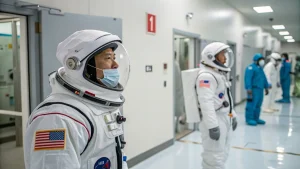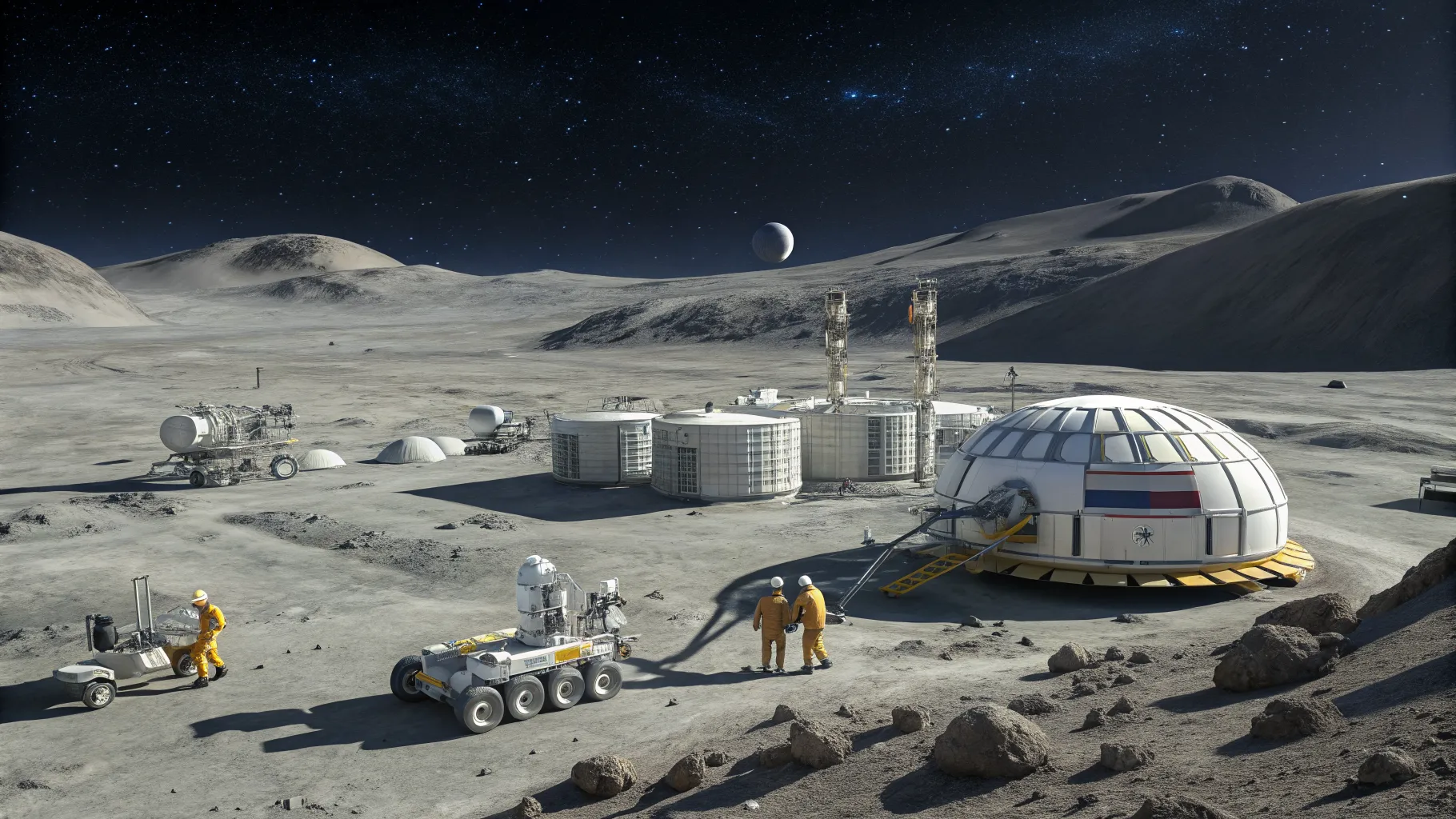
NASA on Tuesday outlined an ambitious plan to build a permanent foothold on the Moon, pegging the initial strategy at $20 billion. Speaking at the unveiling, entrepreneur and private spaceflight leader Jared Isaacman framed the goal in stark terms. This time, the aim is a lasting presence, not a brief visit.
The strategy centers on sustained surface operations, new power systems, and a logistics chain that can support crews far from Earth. It would build on the Artemis program, which seeks to return astronauts to the lunar surface and prepare for future missions to Mars. NASA did not detail a firm schedule for construction but signaled that work would align with upcoming Artemis flights and the Lunar Gateway station.
A Shift From Flags-and-Footprints
During the Apollo era, astronauts last walked on the Moon in 1972. Those missions were short. The new plan highlights longer stays, routine cargo deliveries, and infrastructure that can survive harsh lunar nights. It also echoes earlier NASA concepts, including Artemis Base Camp and the Lunar Gateway, but adds a funding target for an integrated build-out.
Isaacman put the intent plainly.
“This time, the goal is to stay.”
The push follows a series of Artemis milestones. NASA completed an uncrewed lunar test flight in 2022. The first crewed flight, Artemis II, is planned after safety reviews and hardware upgrades. A crewed landing would follow. These schedules have slipped in recent years, reflecting technical and budget pressures.
What $20 Billion Buys
The plan sketches a multi-pronged build. It relies on work already underway with commercial partners and international agencies. The cost figure would likely cover early infrastructure and services rather than the full lifetime expense.
- Surface power: portable kilowatt-scale systems and a long-duration fission source.
- Habitation: pressurized modules, mobility systems, and radiation protection.
- Logistics: cargo landers, refueling, and regular resupply flights.
- Science: drilling, sample return, and technology demos for Mars.
NASA has selected SpaceX to deliver a human landing system for early Artemis missions. Blue Origin is slated for a later crewed lander. The Lunar Gateway, led with international partners, will serve as a staging point in lunar orbit. Each element depends on stable funding and a clear sequence.
Funding, Politics, and Timelines
NASA’s annual budget sits at about $25 billion. That must support planetary science, Earth observation, human spaceflight, and technology. A $20 billion lunar build-out would require multi-year commitments from Congress. Lawmakers will weigh it against domestic priorities and defense spending.
Analysts note that major space projects face schedule risk. Development of the Space Launch System and Orion capsule took longer than expected. Commercial landers under NASA’s CLPS program have shown promise but also setbacks. Long lunar nights, extreme temperature swings, and dust add engineering hurdles.
Why the Moon, and Why Now
Supporters argue the Moon is a training ground for Mars. It lets crews test life support, power, and autonomy a few days from Earth, not months away. The south pole offers water ice that could support fuel and life support. A base could expand science on lunar geology and the early solar system.
Critics ask whether a station in lunar orbit and repeated sorties can deliver the promised value. They press for clear goals, such as sample returns targeted to specific science questions, or technology milestones like surface power that survives the two-week night.
Industry and International Stakes
The plan would feed a growing space economy. It could boost suppliers of solar arrays, batteries, radiation shielding, and autonomous robotics. It also opens work for startups in in-situ resource use and surface navigation. International partners bring hardware and political staying power, but coordination takes time.
Isaacman, who led the Inspiration4 mission and now the Polaris program with SpaceX, represents the rising role of private crews and capital in deep space efforts. His call for permanence matches NASA’s push to mix government goals with commercial services.
What to Watch Next
Key markers will reveal if the plan holds. Look for contract awards tied to power and habitation, final designs for cargo landers, and updated Artemis schedules. Budget hearings will show whether Congress signs on to multi-year funding. Technical reviews after upcoming crewed tests will shape the timeline for surface construction.
The message from Tuesday was clear: short visits will not meet long-term goals. A sustained presence will demand steady money, mature technology, and patient politics. If those pieces align, the Moon could shift from a destination to a base of operations—one built to last.

Kirstie a technology news reporter at DevX. She reports on emerging technologies and startups waiting to skyrocket.