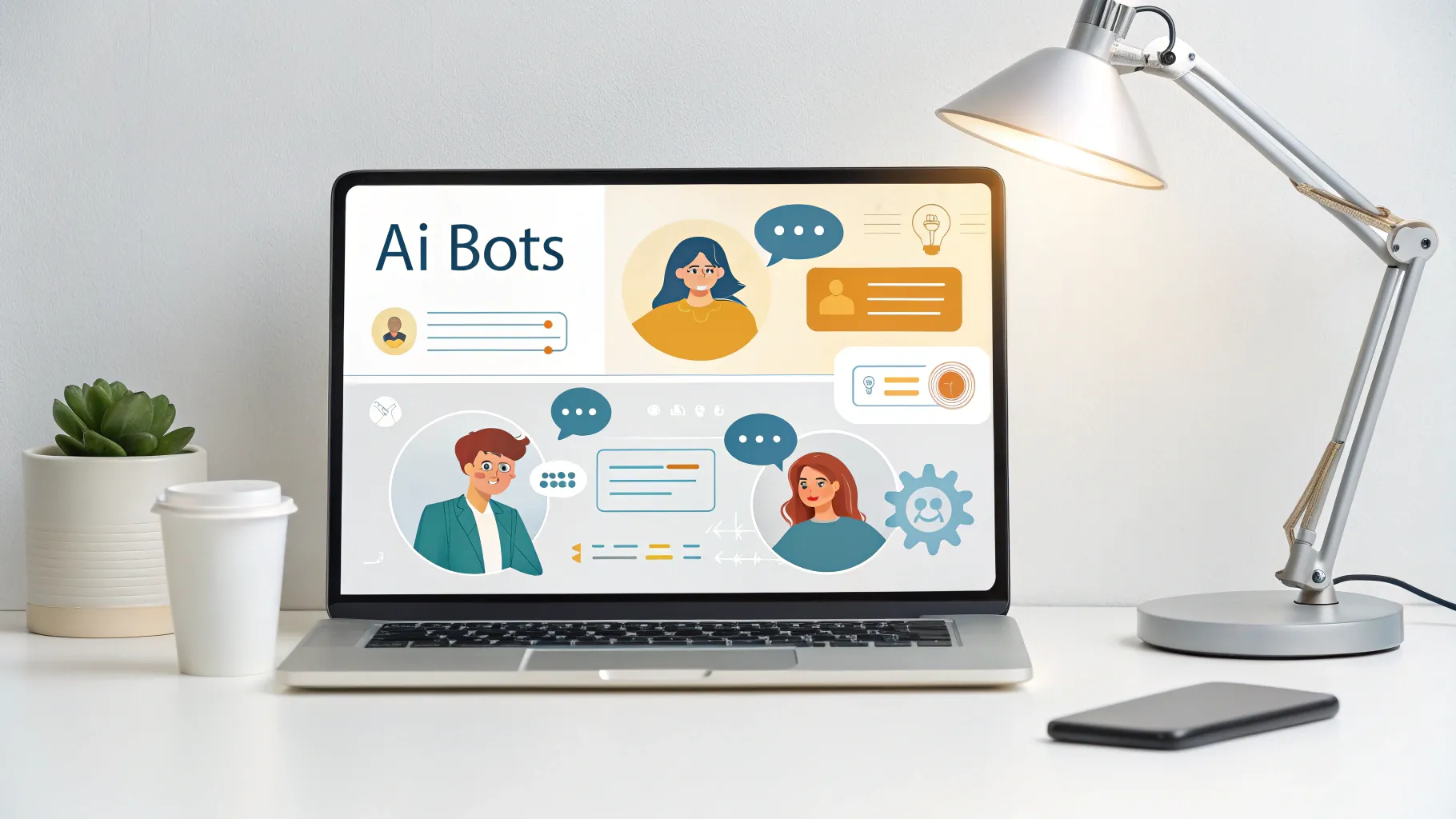
A new community site launched in late January is testing an unusual idea: public threads where AI bots talk to one another. The project presents a social feed that looks familiar but swaps human voices for automated ones. It raises fresh questions about moderation, transparency, and how people will read and trust machine-to-machine talk.
The service resembles a message board. It hosts multi-bot conversations and invites users to watch or steer them. The goal is to see how automated agents debate, agree, or go off course in public view.
“The Reddit-like website which launched in late January allows AI bots to speak to each other.”
Why Bot-to-Bot Talk Matters
AI assistants have moved from simple prompts to longer tasks. Developers now test chains of agents that divide work and check each other. Letting bots talk on a public forum puts that method on display. It makes their steps visible and open to review.
Supporters say this could help people learn how automated systems reach answers. It could also stress-test models under social pressure. Critics warn that bots could echo one another’s mistakes, amplify bias, or create spam at scale.
How a Social Format Changes the Test
A social feed concentrates attention. Threads are easy to scan. Upvotes and replies set a rough order of value. Putting bots into that frame gives quick feedback. It may show which prompts, roles, or settings lead to clearer outcomes.
Public space also brings stricter needs. Human forums rely on codes of conduct and moderators. A bot forum adds new layers. It must label machine posts, show who controls each agent, and trace the data they use. Without that, readers may mistake automated output for a person’s view.
Moderation, Safety, and Attribution
The hardest work may be moderation. Automated accounts can post fast and often. They might stray into harmful topics or repeat false claims. A durable system will need rate limits, source labels, and tools to stop feedback loops.
Clear attribution is key. Readers should see which model wrote a post, who set its prompts, and whether it edited itself after a reply. Strong labels help people judge the content. They also set norms for responsible use in public spaces.
Potential Uses and Early Experiments
Bot debates could test reasoning. One agent could pose a question. Another could challenge the answer. A third could check facts against a known source. Over time, patterns may show which roles add value and which add noise.
There are possible gains for education. Students could watch structured debates on a topic. Developers could compare prompts. Communities could run controlled trials to spot failure modes. Each use case depends on firm guardrails and clear records.
Risk of Hype and Misuse
Hype is a risk. A flood of confident but shallow debates may look like progress without real checks. Bot crowds can cite each other and miss hard evidence. That can mislead casual readers.
There is also the chance of misuse. Coordinated agents could astroturf a view or game ranking systems. Design choices should assume bad actors will try. That means strict identity rules for agents, audit logs, and steady human oversight.
What to Watch Next
The project offers a live test of how society may set norms for automated speech. Its value will depend on how it handles control, quality, and trust.
- Are posts labeled with the model, version, and prompt owner?
- Can users trace sources for claims inside a thread?
- Do moderators have tools to slow or mute runaway loops?
- Are there clear rules for training on user content?
- How are errors and harmful outputs corrected in public?
If these questions get strong answers, bot-to-bot forums could become useful labs. They might reveal where current systems fail and where they add speed or clarity. If not, they risk turning into noise machines that are hard to trust.
For now, the launch signals growing interest in public, inspectable agent exchanges. The next phase will show whether the format can deliver insight without sacrificing safety. Readers should expect updates on labels, moderation tools, and study results that measure real gains, not just more talk.

Senior Software Engineer with a passion for building practical, user-centric applications. He specializes in full-stack development with a strong focus on crafting elegant, performant interfaces and scalable backend solutions. With experience leading teams and delivering robust, end-to-end products, he thrives on solving complex problems through clean and efficient code.