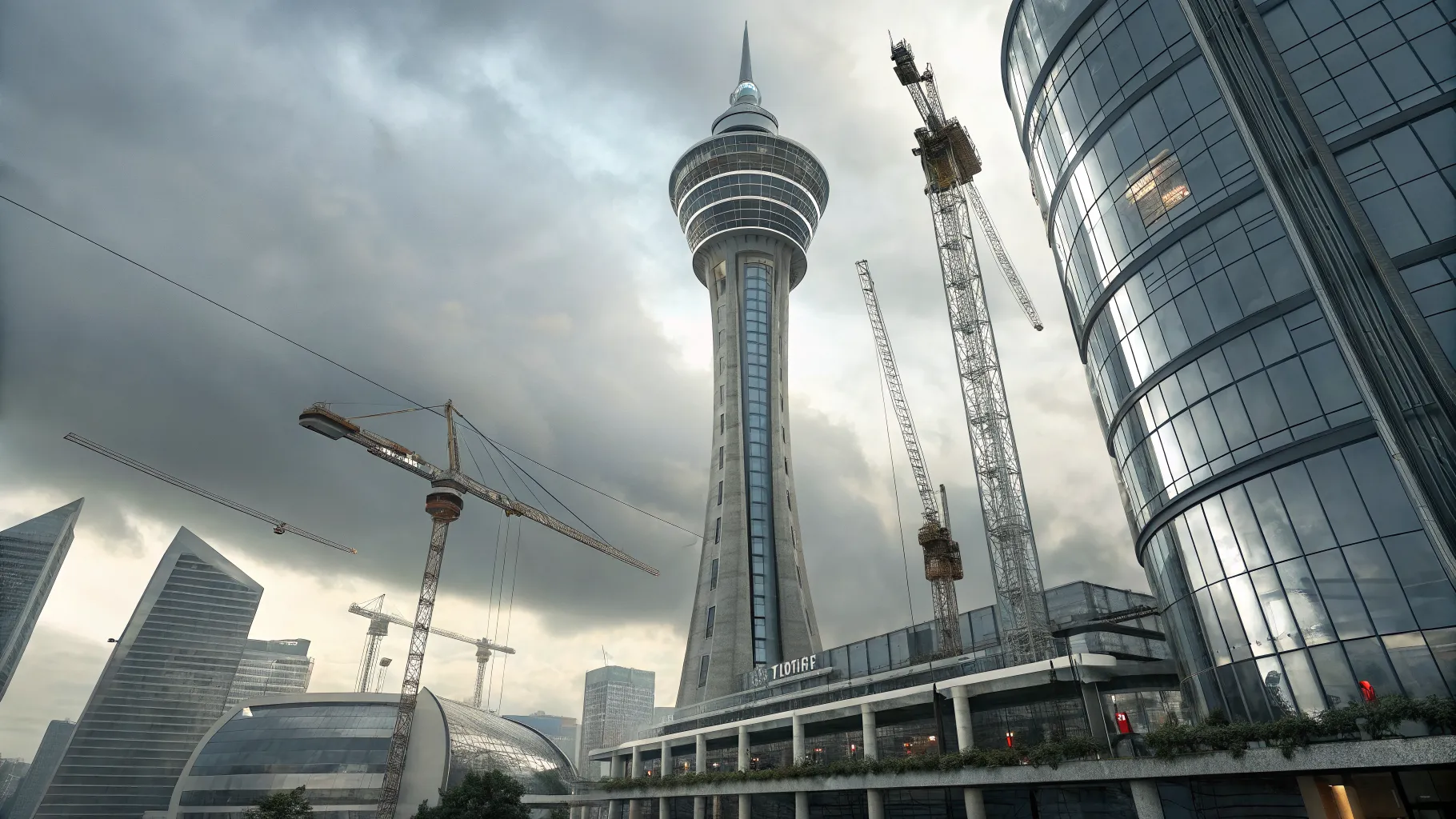
Architects are pushing higher and wider as new materials and design tools open options once out of reach, with industry coverage highlighting the latest advances and their global impact. The momentum spans supertall towers, lightweight roofs, and structures that respond to weather and energy needs. News outlets are tracking how these shifts affect cities, budgets, and climate goals, and why the next decade could reshape how people build and live.
“Advances in materials and design continue to expand the architect’s playbook with buildings that reach for the skies or let us live under it.”
The trend is not new. High-strength steel and reinforced concrete transformed skylines in the 20th century. The current wave blends novel materials, digital modeling, and strict energy standards. It aims to do more with less weight, less waste, and lower emissions. While eye-catching forms grab attention, the story is also about codes, supply chains, and the cost of resilience.
Taller, Lighter, and Smarter
Developers are chasing height in dense cities, where land is scarce and demand is high. Lighter structural systems and advanced cores make it possible to climb without massive footprints. At the same time, new roof systems span wider areas with fewer supports, covering stadiums, terminals, and public spaces while admitting daylight.
Engineers now model wind, heat, and crowd loads with a level of detail that sharpens every decision. Sensors feed data on how buildings move and breathe, helping teams tune systems after opening. The goal is predictable performance that meets strict safety rules and trims operating costs.
Materials That Change the Playbook
Several material families are shaping the conversation. Each carries trade-offs on cost, supply, and carbon.
- High-performance concrete mixes cut cement content and improve strength.
- Advanced steels allow slimmer columns and faster assembly.
- Engineered timber offers speed, warmth, and a smaller carbon footprint when sourced responsibly.
- Membranes like ETFE create large, clear roofs with low weight and solid insulation.
- Smart glass reduces heat gain and glare without heavy shading devices.
Pairing these with improved fire protection and acoustics broadens where they can be used. That includes hybrid frames that mix steel, concrete, and timber to hit cost and code targets.
Design Tools Shift Practice
Digital design has become a core part of delivery. Parametric modeling explores many options fast, testing how small changes ripple through structure, airflow, and daylight. Fabrication data moves directly to factories, reducing errors and waste.
Contractors report tighter schedules as parts arrive ready to install. Offsite production also improves quality control. The result is fewer surprises once crews are on site.
Safety, Cost, and Climate Pressures
Ambition meets hard limits. Fire and egress rules shape every tall project. Insurance markets now weigh climate risks more heavily, changing how teams value location and materials. Prices for steel, cement, and glass remain volatile, and that affects design choices as bids land.
Climate targets press owners to cut both construction and operating emissions. That pushes interest in low-carbon concrete, recycled metals, and timber. It also raises the appeal of adaptive facades and efficient mechanical systems, which can lower lifetime costs.
Signals to Watch
The next phase will test whether new methods scale and stay affordable. Three areas will draw attention:
- Supply of low-carbon materials that meet strict codes.
- Performance data from hybrid structures across climates.
- Policy shifts that speed permits for lower-emission projects.
Public agencies may set clearer rules for measuring embodied carbon. That could standardize how teams compare options and report results. It would also reward early adopters that have already built tracking into their workflows.
The latest reporting signals a field balancing reach and restraint. Height and span are expanding, but so is accountability for safety, cost, and carbon. As new materials and smarter design tools mature, expect projects that look lighter, use less energy, and open large shared spaces under clear, durable roofs. The test ahead is delivering these benefits at scale, while meeting tight budgets and stricter climate goals.

Deanna Ritchie is a managing editor at DevX. She has a degree in English Literature. She has written 2000+ articles on getting out of debt and mastering your finances. She has edited over 60,000 articles in her life. She has a passion for helping writers inspire others through their words. Deanna has also been an editor at Entrepreneur Magazine and ReadWrite.