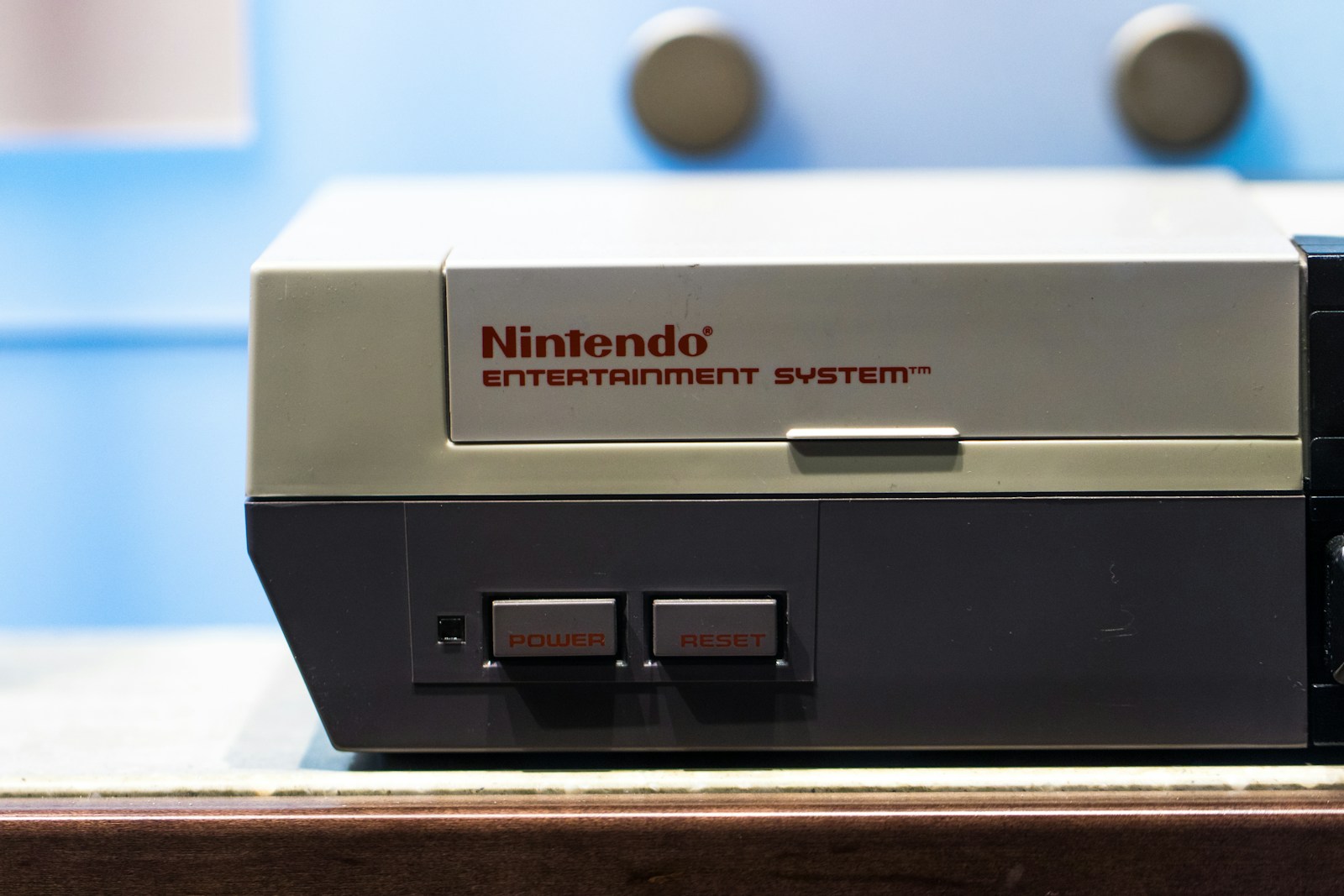
Nintendo has referenced “market conditions” as a factor affecting its business operations, though the company declined to specify exactly what these conditions entail. Industry analysts believe this vague terminology likely points to the impact of tariffs implemented by the Trump administration, which are driving up costs for American consumers.
The Japanese gaming giant’s careful wording comes as many technology and gaming companies grapple with the economic realities of increased import taxes. These tariffs have created ripple effects throughout supply chains that ultimately reach consumers’ wallets.
Tariff Impact on the Gaming Industry
President Trump’s tariff policies have placed additional financial pressure on companies that manufacture products overseas and sell them in the United States. For Nintendo, which produces most of its hardware in Asia before shipping to American markets, these trade policies represent a significant business challenge.
The gaming industry has been particularly vulnerable to these trade tensions. Gaming consoles, accessories, and related technology products fall under categories affected by recent rounds of tariffs. Companies must either absorb these additional costs—potentially hurting profit margins—or pass them along to consumers through price increases.
Several economic reports have indicated that American consumers ultimately bear the brunt of tariff costs. A study by the Federal Reserve Bank of New York estimated that the tariffs cost the average American household several hundred dollars annually in increased prices.
Nintendo’s Strategic Response
While Nintendo has remained tight-lipped about specific strategies to address these “market conditions,” the company faces several options standard in the industry:
- Absorbing the additional costs to maintain competitive pricing
- Gradually increasing retail prices to offset tariff expenses
- Exploring manufacturing alternatives in countries not subject to the same tariffs
- Adjusting product specifications to reduce manufacturing costs
The gaming giant competes in a price-sensitive market where even small increases can influence consumer purchasing decisions. This reality makes navigating tariff challenges particularly complex for Nintendo and its competitors.
Other major gaming companies like Sony and Microsoft face similar pressures with their PlayStation and Xbox product lines. The entire gaming hardware sector is watching trade developments closely as they make production and pricing decisions.
Consumer Impact
For American gamers, the implications of these “market conditions” could mean higher prices for Nintendo Switch consoles, games, and accessories. Some retail analysts have already noted subtle price adjustments across the gaming industry that correlate with tariff implementation timelines.
Consumer advocacy groups have expressed concern about how these increased costs affect accessibility to entertainment technology, particularly for lower-income households. Gaming has traditionally offered high value-per-dollar entertainment compared to other leisure activities.
These tariffs effectively function as a tax on American consumers,” noted an industry analyst who specializes in gaming economics. “Companies like Nintendo must make difficult decisions about how much of that tax they can shield their customers from.”
As trade negotiations continue between the United States and various trading partners, the gaming industry remains in a state of uncertainty. Nintendo’s careful phrasing around “market conditions” reflects the politically sensitive nature of directly addressing tariff impacts while acknowledging the business realities they face.

A seasoned technology executive with a proven record of developing and executing innovative strategies to scale high-growth SaaS platforms and enterprise solutions. As a hands-on CTO and systems architect, he combines technical excellence with visionary leadership to drive organizational success.