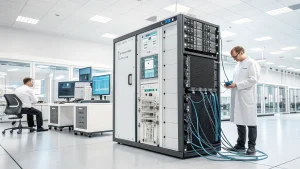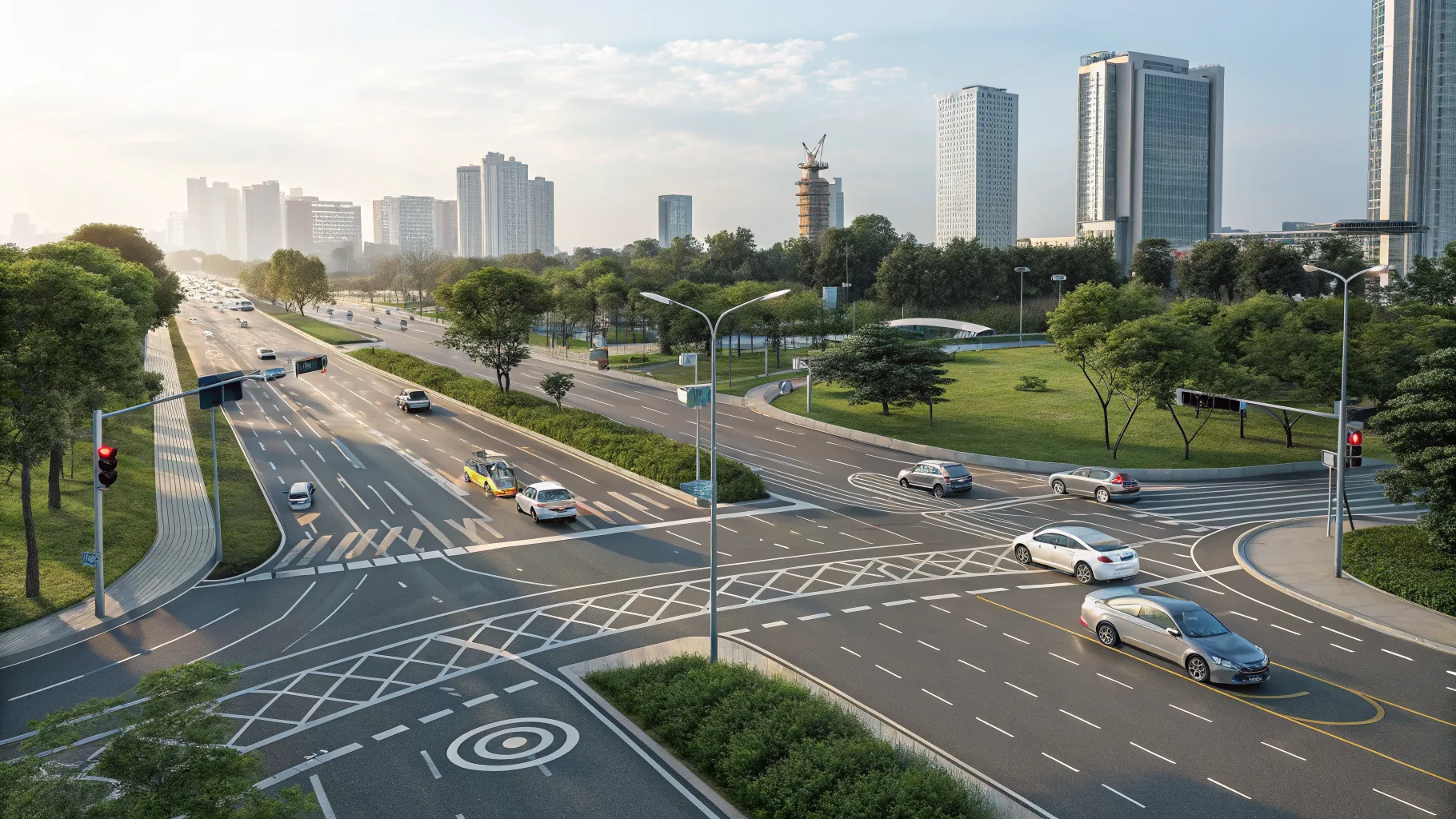
NoTraffic announced a new $90 million Series C funding round in Overland Park, Kansas, signaling fresh momentum for AI-led traffic management in U.S. cities. The company, which builds an AI-powered mobility platform for traffic control, said the financing will help speed deployment, expand partnerships with municipalities, and invest in product development.
The raise positions NoTraffic to compete for city contracts as local leaders seek faster commutes, safer intersections, and lower emissions. It also lands at a time when public programs are steering money into digital traffic systems and smarter signals.
Why City Leaders Are Watching
Congestion remains a major drain on local economies and quality of life. City agencies have been testing software that adjusts traffic signals in real time, manages protected turns, and prioritizes transit or emergency vehicles. Many communities are also planning for vehicle-to-everything (V2X) technology that lets cars and road hardware share data.
NoTraffic’s platform is built for these goals. It uses sensors and machine learning to detect road users, estimate demand, and change light phases within seconds. The company pitches the approach as a way to cut delays without rebuilding roads. It is also marketed as a support system for traffic engineers, who can set policy and safety rules while the software handles second-by-second operations.
Public Funding Opens the Door
The Infrastructure Investment and Jobs Act has created new opportunities for pilot projects and citywide upgrades. Programs focused on advanced traffic control and smart corridors allow agencies to pair public funds with private technology. That mix is drawing interest from mayors and state departments of transportation looking to modernize signals, improve bus reliability, and reduce crash risk at busy intersections.
Private capital can make those efforts scale faster. With a larger balance sheet, a vendor can help cover installation, maintenance, and training. It can also offer service-level guarantees that smaller pilots cannot match. The new round suggests investors expect broader adoption as cities move from tests to multi-year rollouts.
What The Funding Could Support
- City and state deployments across more corridors and intersections.
- Hiring for engineering, field operations, customer support, and policy engagement.
- Research into multimodal safety, including pedestrians, cyclists, and transit.
- Security upgrades and compliance with public procurement rules.
- Integration with V2X and connected-car signals for future use cases.
Benefits, Risks, and the Road Ahead
Supporters point to faster bus trips, fewer idling cars, and improved emergency response times when signals adapt in real time. They also note potential safety gains from detecting vulnerable road users earlier and adjusting timing to reduce conflicts in crosswalks.
City officials, however, still face hurdles. Procurement is complex, and long-term performance must be proven across seasons and special events. Equity is another test: systems need to work in neighborhoods with different traffic patterns, not just commercial centers. Privacy and cybersecurity also remain front of mind, particularly for sensor-based detection and cloud services.
Traffic engineers caution that software is only part of the solution. Physical design, enforcement, and public education matter as well. Any vendor, they say, must show transparent metrics, align with national safety guidance, and support human oversight.
Competitive Field Heats Up
Several companies now offer AI-driven signal control, analytics, and automated detection. This funding could help NoTraffic differentiate on scale, support, and measurable results. Cities often demand before-and-after studies showing changes in delay, travel time, and crash surrogates. Vendors that provide clear dashboards and third-party audits tend to win trust faster.
For NoTraffic, Overland Park serves as a timely stage. Kansas and nearby states have been upgrading corridors and testing connected vehicle systems. Success in the region could help the company secure more contracts in mid-sized metro areas, where budgets require quick returns and proven cost savings.
NoTraffic’s $90 million Series C gives the company resources to pursue those goals while answering tougher questions from city buyers. The next phase will likely focus on long-term performance, independent evaluations, and deeper integration with transit and safety programs. If results hold, more agencies could shift from small pilots to network-wide deployments. If not, cities may keep testing but move cautiously. Either way, the pressure to squeeze more capacity and safety from existing streets is rising, and vendors now have the funding—and the scrutiny—to meet that challenge.

Senior Software Engineer with a passion for building practical, user-centric applications. He specializes in full-stack development with a strong focus on crafting elegant, performant interfaces and scalable backend solutions. With experience leading teams and delivering robust, end-to-end products, he thrives on solving complex problems through clean and efficient code.